
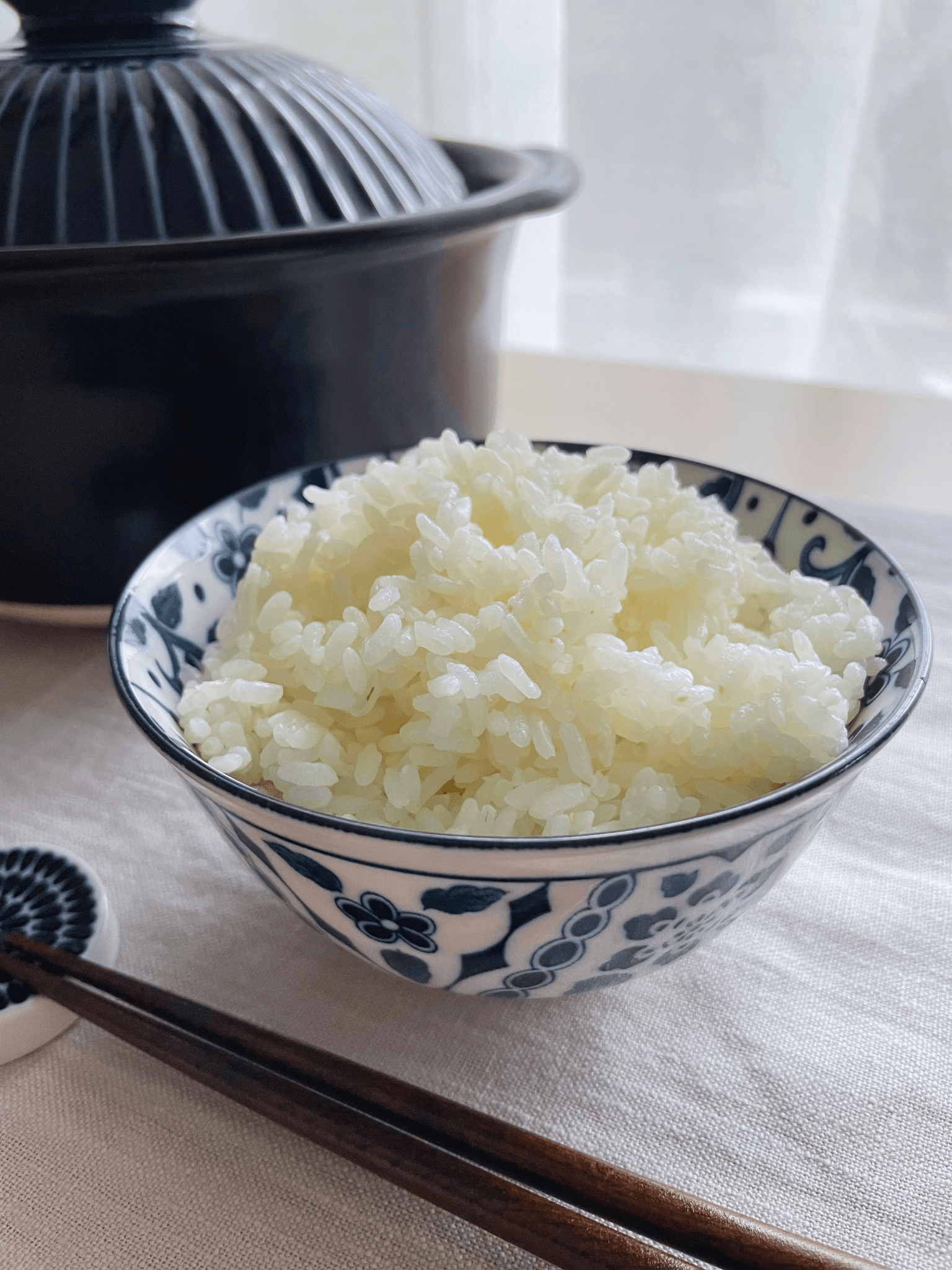
For many Japanese people, a bowl of plain white rice is something we never get tired of. Because we eat it so often, we want it to taste good every time.
Once you get used to cooking rice properly, it becomes a simple and natural part of everyday meals.
Disclosure: This page includes affiliate links. If you make a purchase through these links, I may earn a small commission at no extra cost to you. Thank you for supporting Table from Japan.
- Japanese rice (or sushi rice)
- Water
- A rice cooker, or a pot
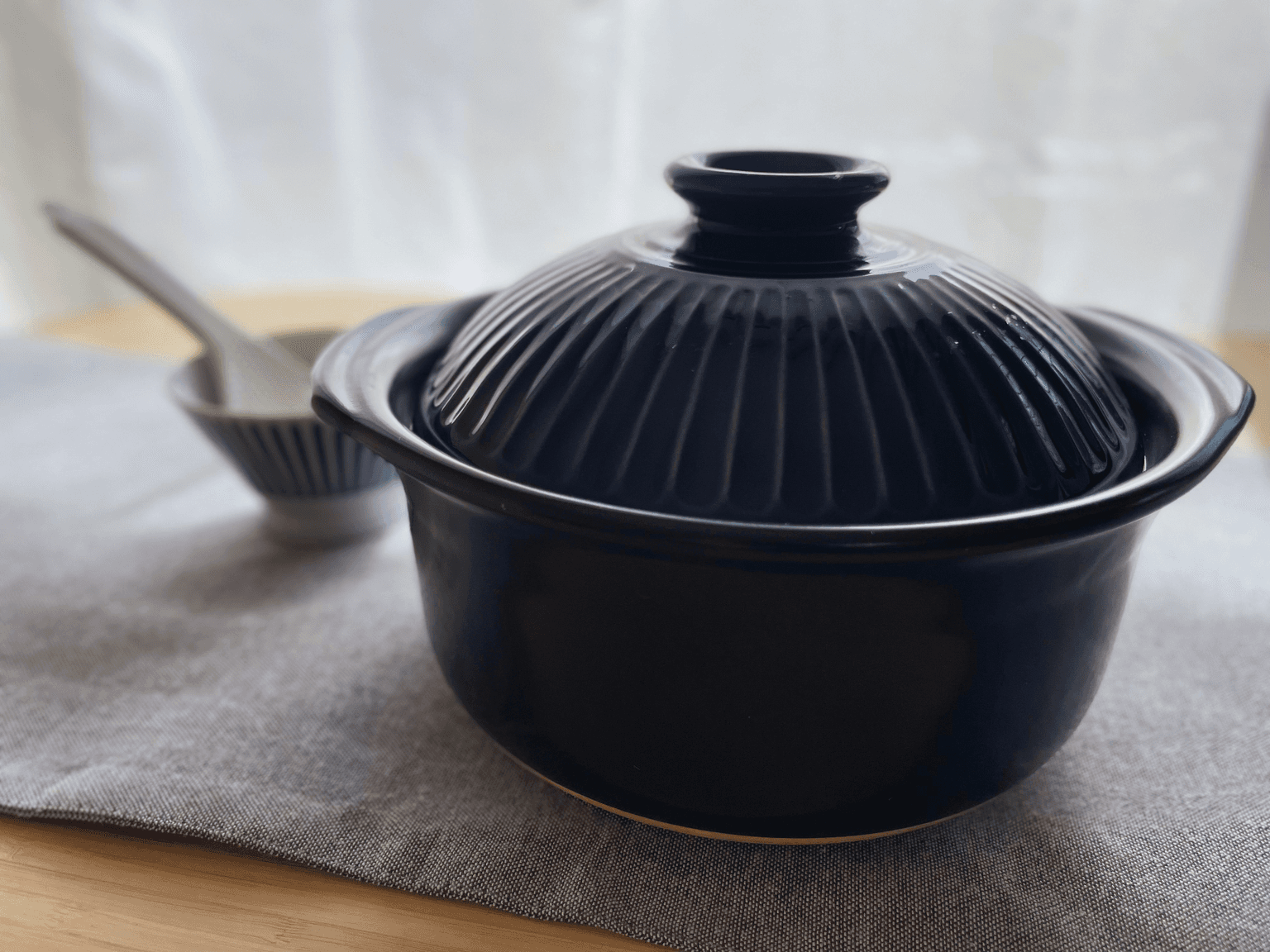
I sometimes use a donabe, a traditional Japanese clay pot, when I have a bit more time. It helps the rice cook up soft and fluffy, and it is lovely for serving at the table too.
Donabe I Use
1. Measure the Rice Properly
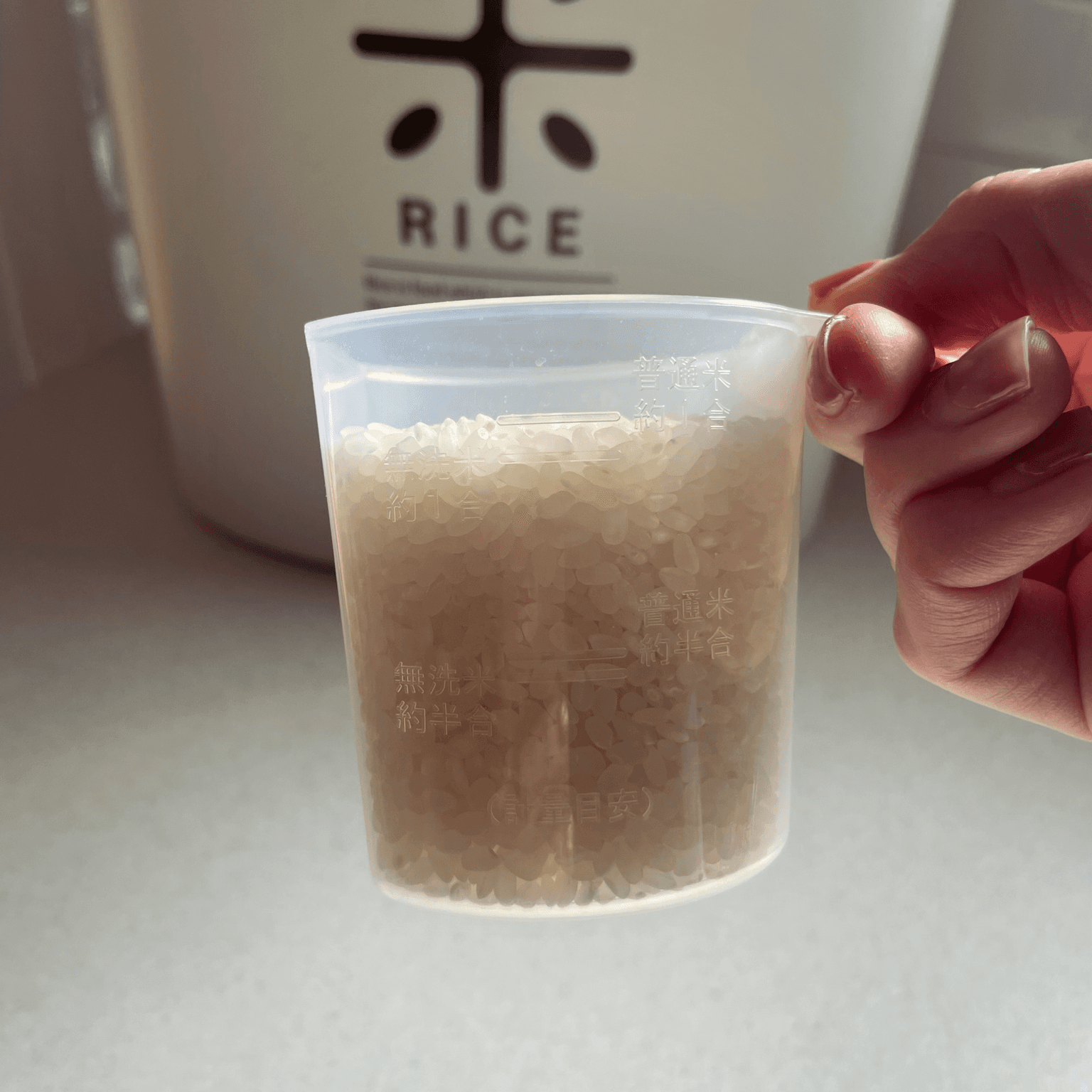
Use a measuring cup and try to keep the amount as consistent as possible. If you do not have a Japanese rice measuring cup, you can measure by weight. One Japanese rice cup is about 150 g of uncooked rice.
2. Rinse the Rice
For the first rinse, place the rice in a bowl and add water.
Gently move the rice with your hand, making a light circular motion about 3 to 4 times, then pour off the water straight away.
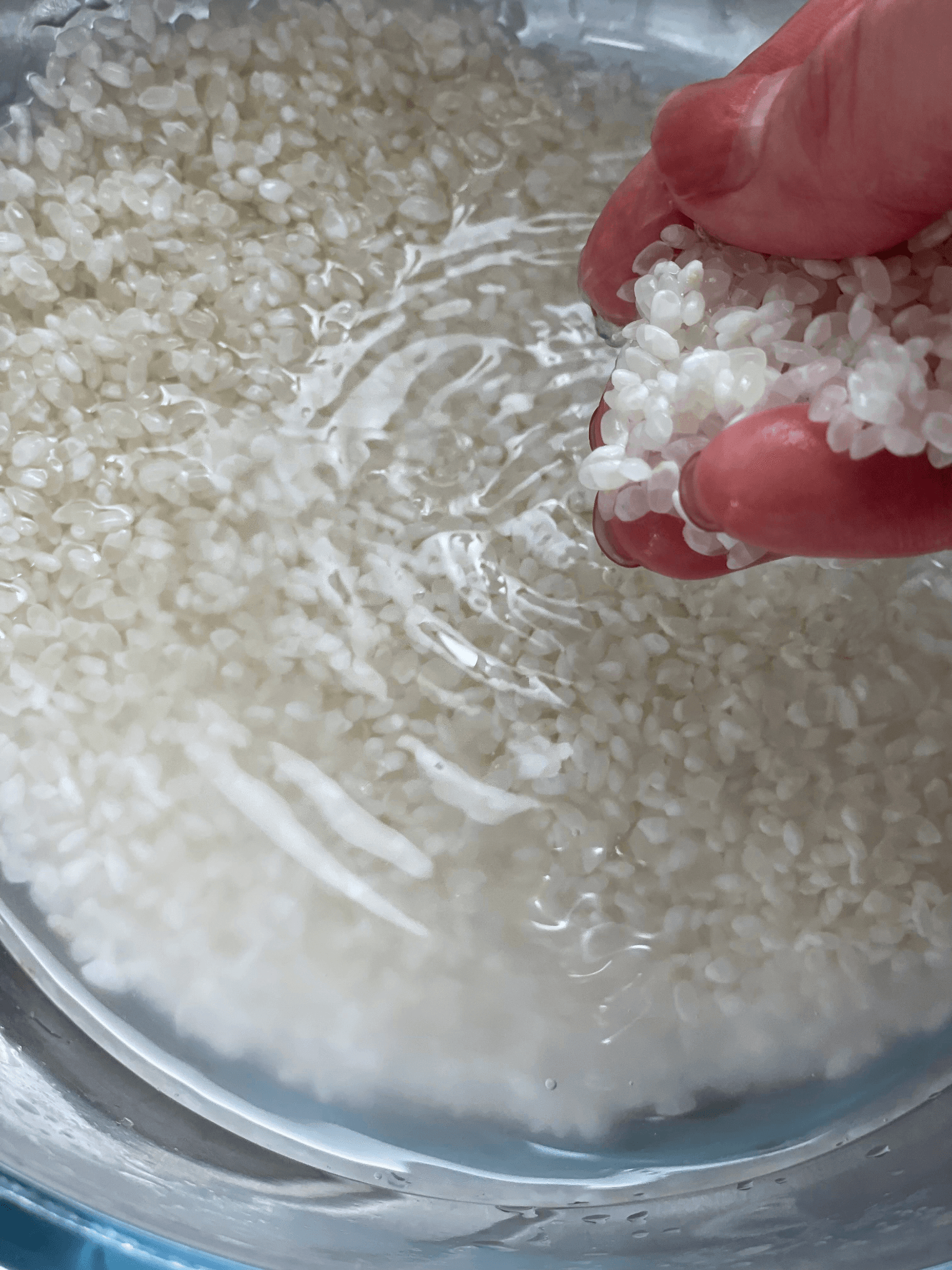
This first rinse helps wash away some of the loose surface starch.
You do not need to scrub the rice. A gentle rinse is enough.
Japanese rice generally cooks best with soft water. If your tap water has a noticeable taste, try filtered water or a low-mineral bottled water for the first rinse and cooking.
3. Rinse a Few More Times
After the first rinse, repeat the same process 2 to 3 more times.
Add water, gently move the rice in a circular motion a few times, then pour off the water.
You do not need to rinse until the water becomes completely clear. A slight cloudiness is perfectly fine.
This step helps remove the remaining surface starch without over-washing the rice.
4. Add Water and Soak
Drain the rice well, then transfer it to a rice cooker or pot. Before placing the rice cooker inner pot into the machine, wipe the outside dry and check that no grains of rice are stuck to it.
Add the amount of water recommended for your rice and cooking method. If you are using a rice cooker, use its water-level markings when available.
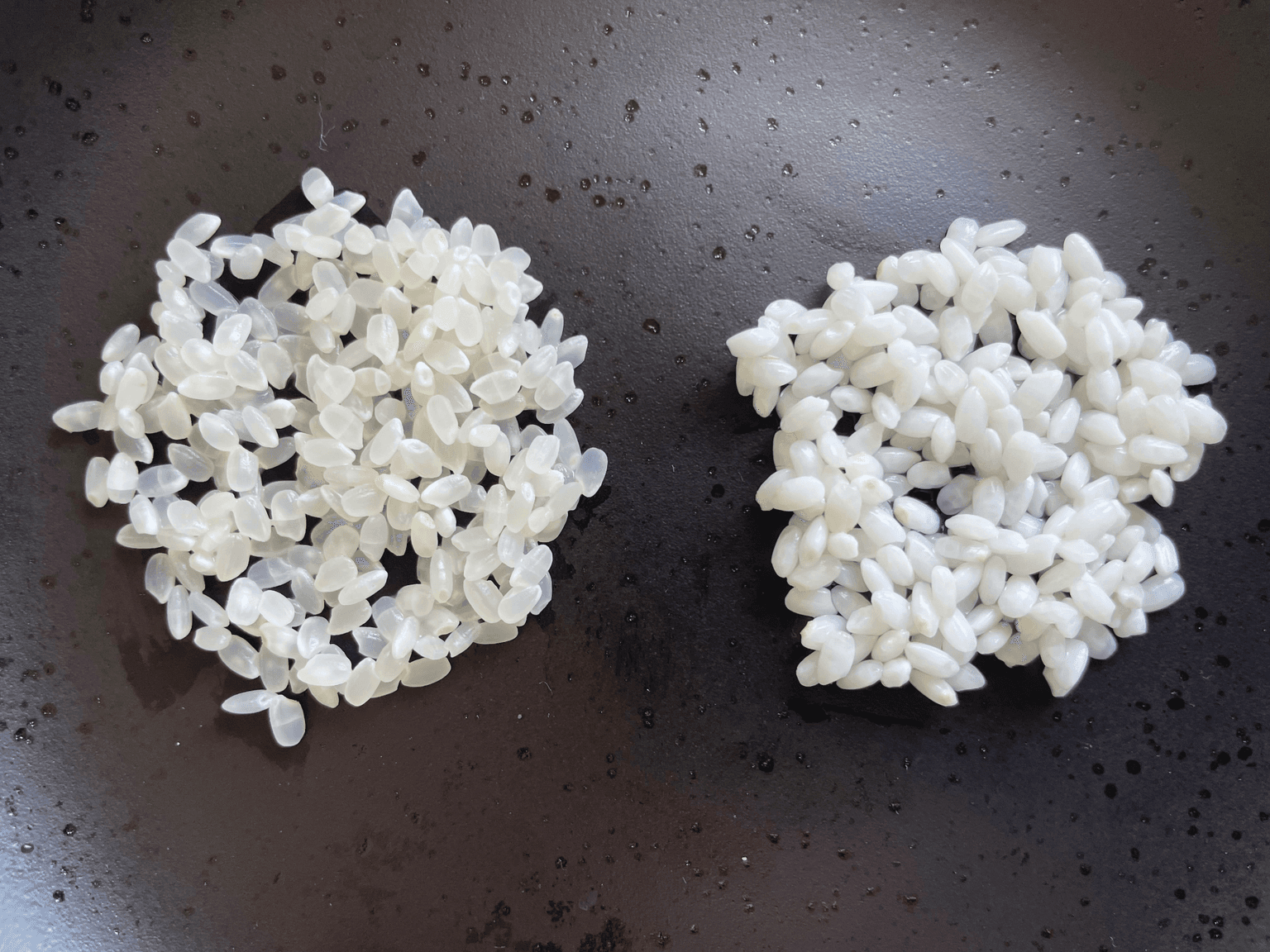
Let the rice soak for at least 30 minutes, or up to 1 hour if you have time.
As the rice absorbs water, it becomes whiter and slightly plumper. This soaking step helps give you soft, glossy rice, with each grain gently holding its shape.
5. Cook, Rest and Fluff
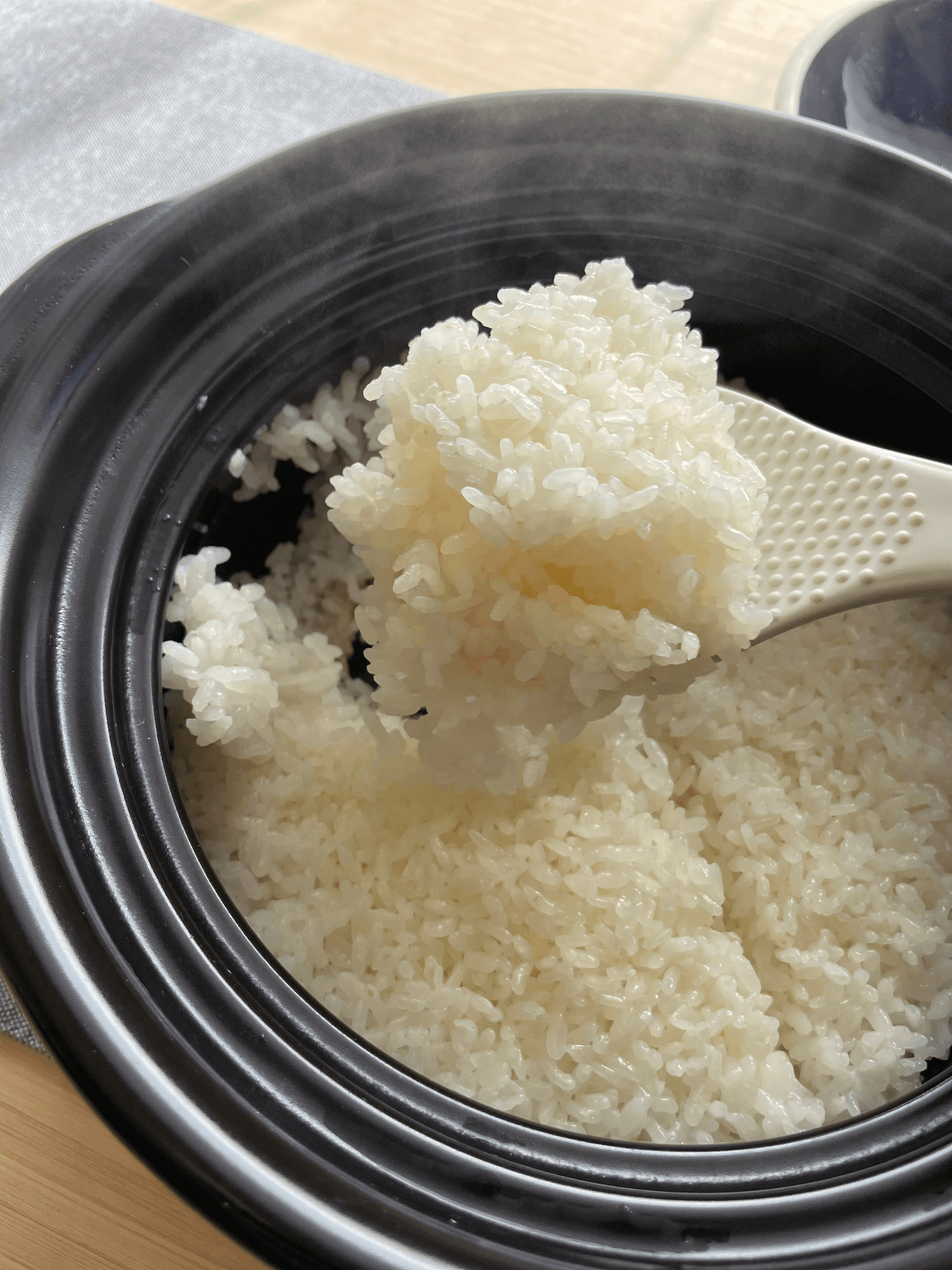
Once the rice has finished soaking, start the rice cooker or cook it in a pot. If cooking in a pot, turn off the heat and leave the lid closed for about 10 minutes. If using a rice cooker, open it when the cooking cycle finishes and carefully wipe away any condensation from the inner lid or rim so it does not drip back onto the rice. Then use a rice paddle to gently turn and loosen the rice, releasing excess steam without pressing or mashing the grains.
How you serve the rice matters too.
Gently scoop the rice with a rice paddle and place it loosely into the bowl without pressing it down. This keeps the rice light and soft.
Useful pantry pick
- Use Japanese rice
- Rinse gently rather than scrubbing
- Allow time for soaking and resting
- Use soft, fresh-tasting water if possible
These small steps can make a noticeable difference in how the rice turns out.
Once you have rice ready, these simple recipes are lovely places to start.
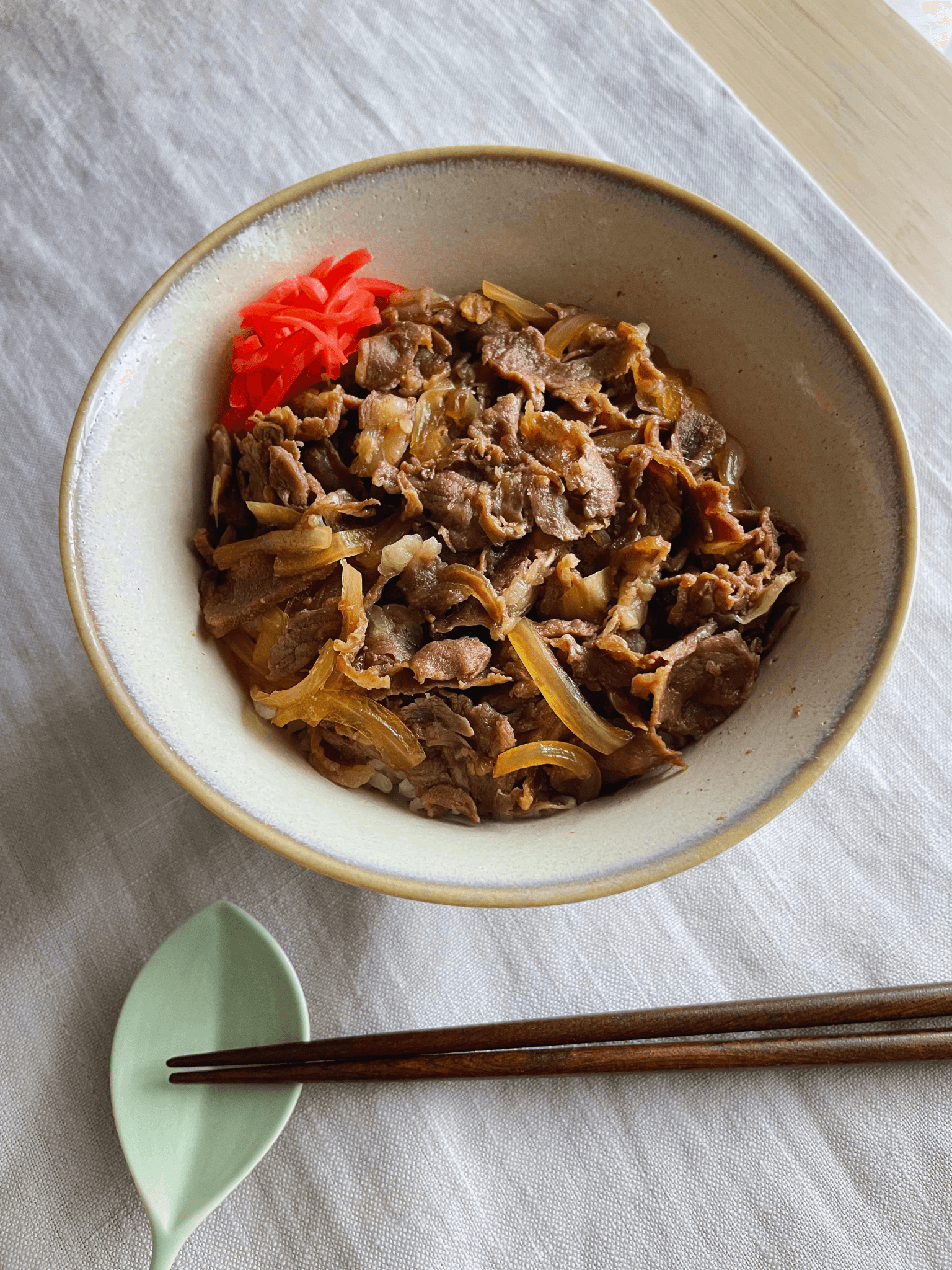
Gyudon
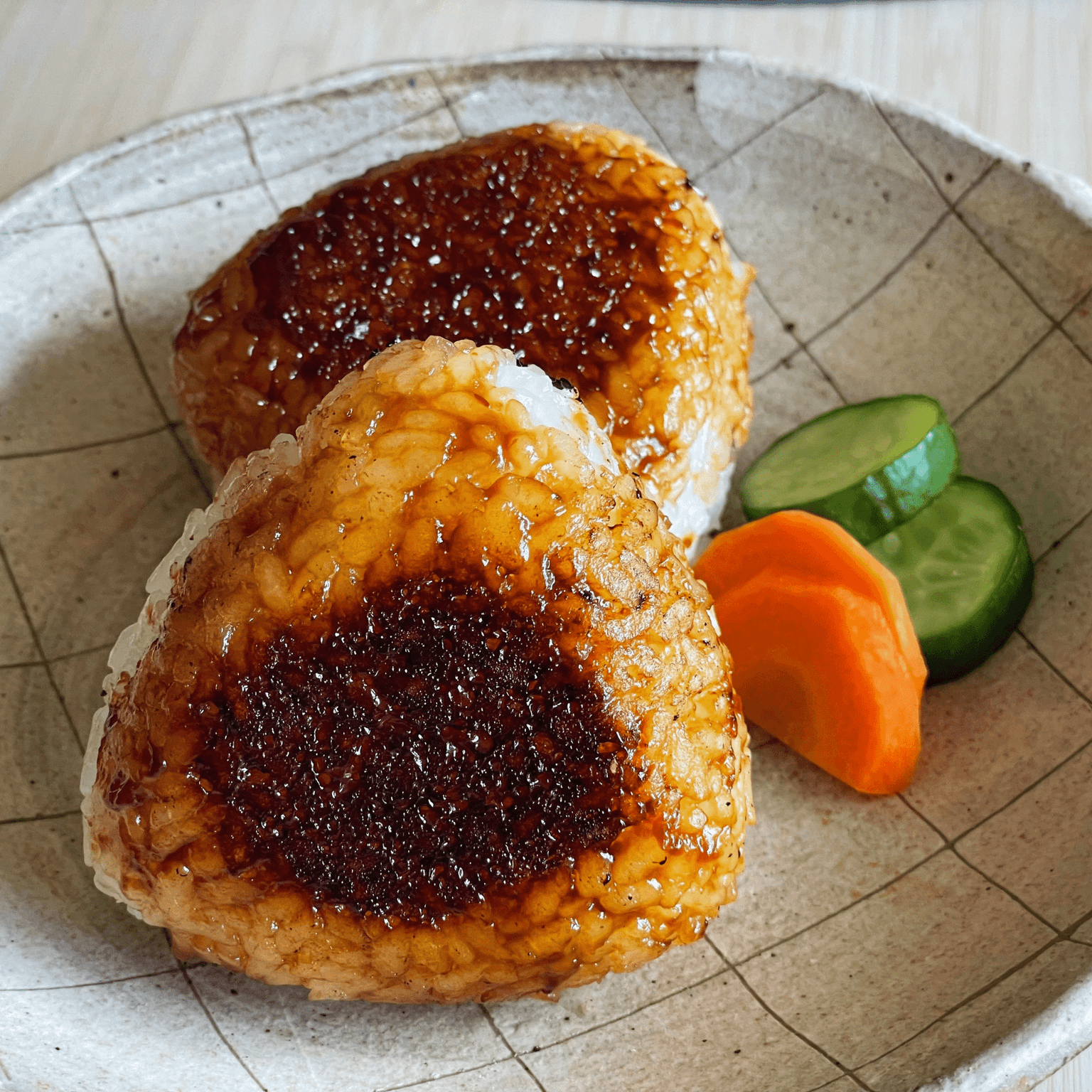
Miso Yaki Onigiri
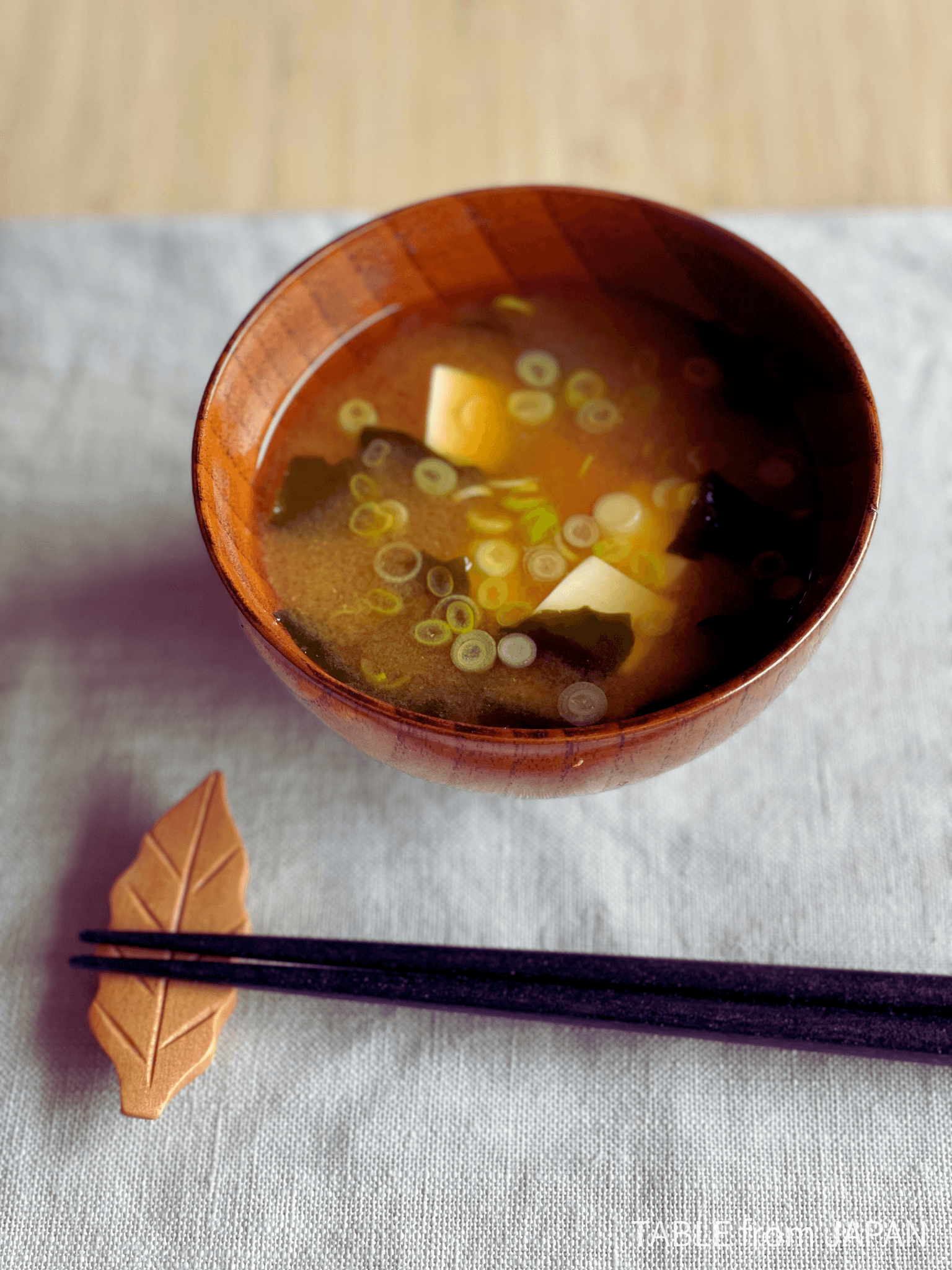
Miso Soup