
Miso Soup - The Way Many People Make It at Home in Japan
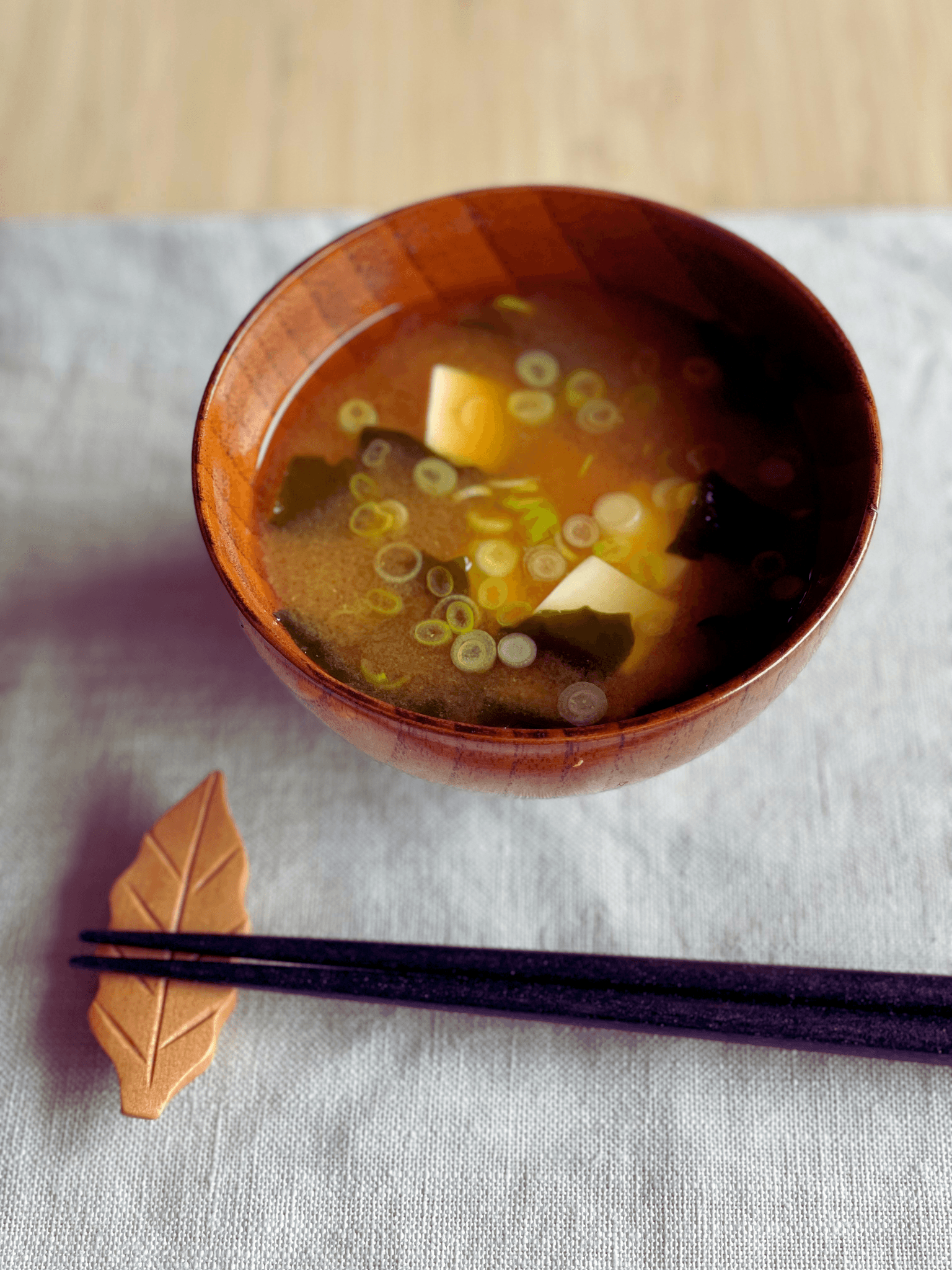
Ingredients
- 600 ml Water
- 1
- 150 g Silken tofu
- 1-2 tsp (seaweed)
- 2 tbsp
- Spring onion– thinly sliced (optional) to taste
Instructions
- 1
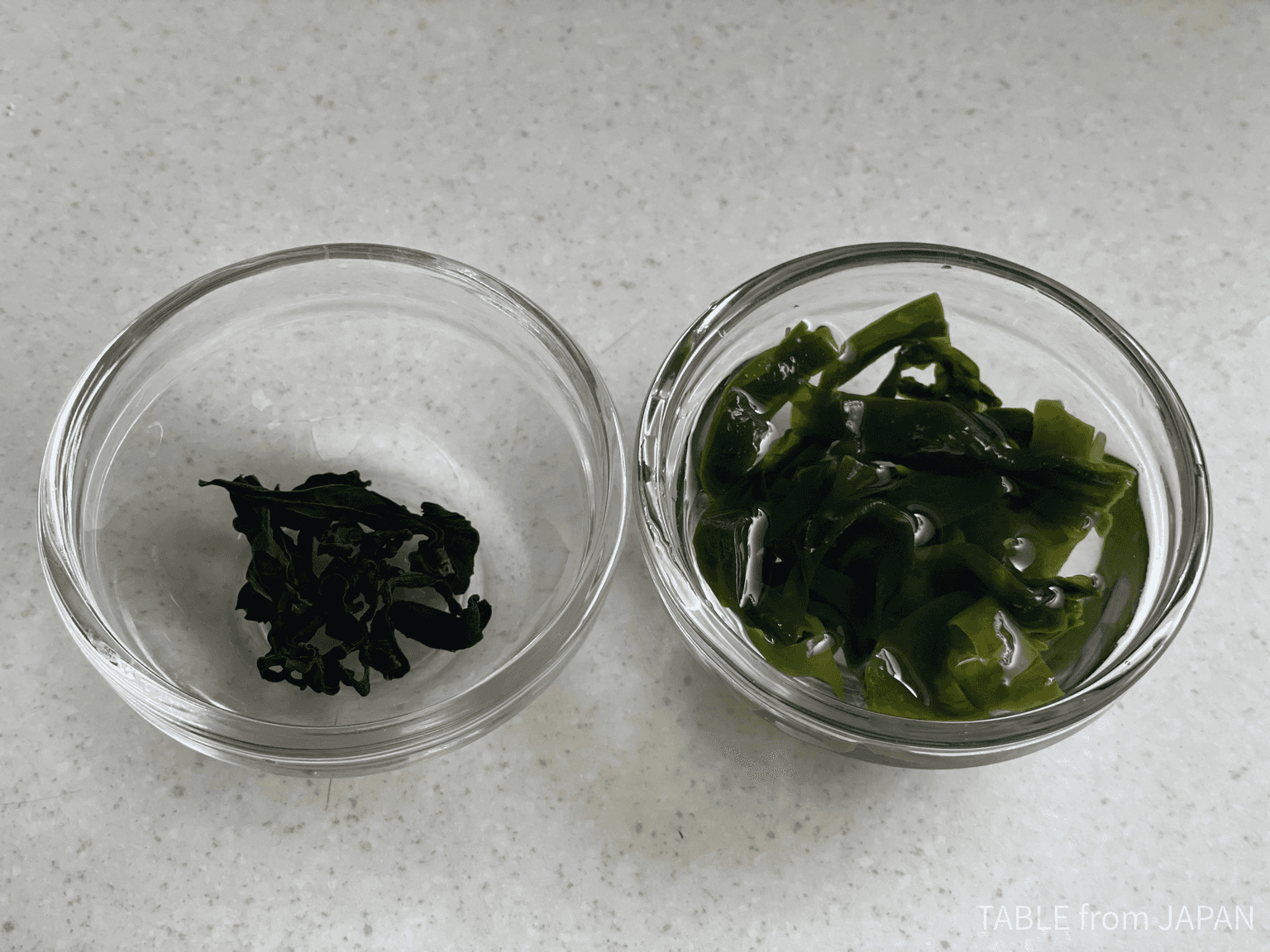
Rehydrate the wakame
Place the dried wakame in a small bowl and cover it with water. Soak for about 5 to 10 minutes, or follow the instructions on your wakame packet, then drain it well and set it aside. The dried wakame expands quickly after soaking, so you only need a small amount.
- 2
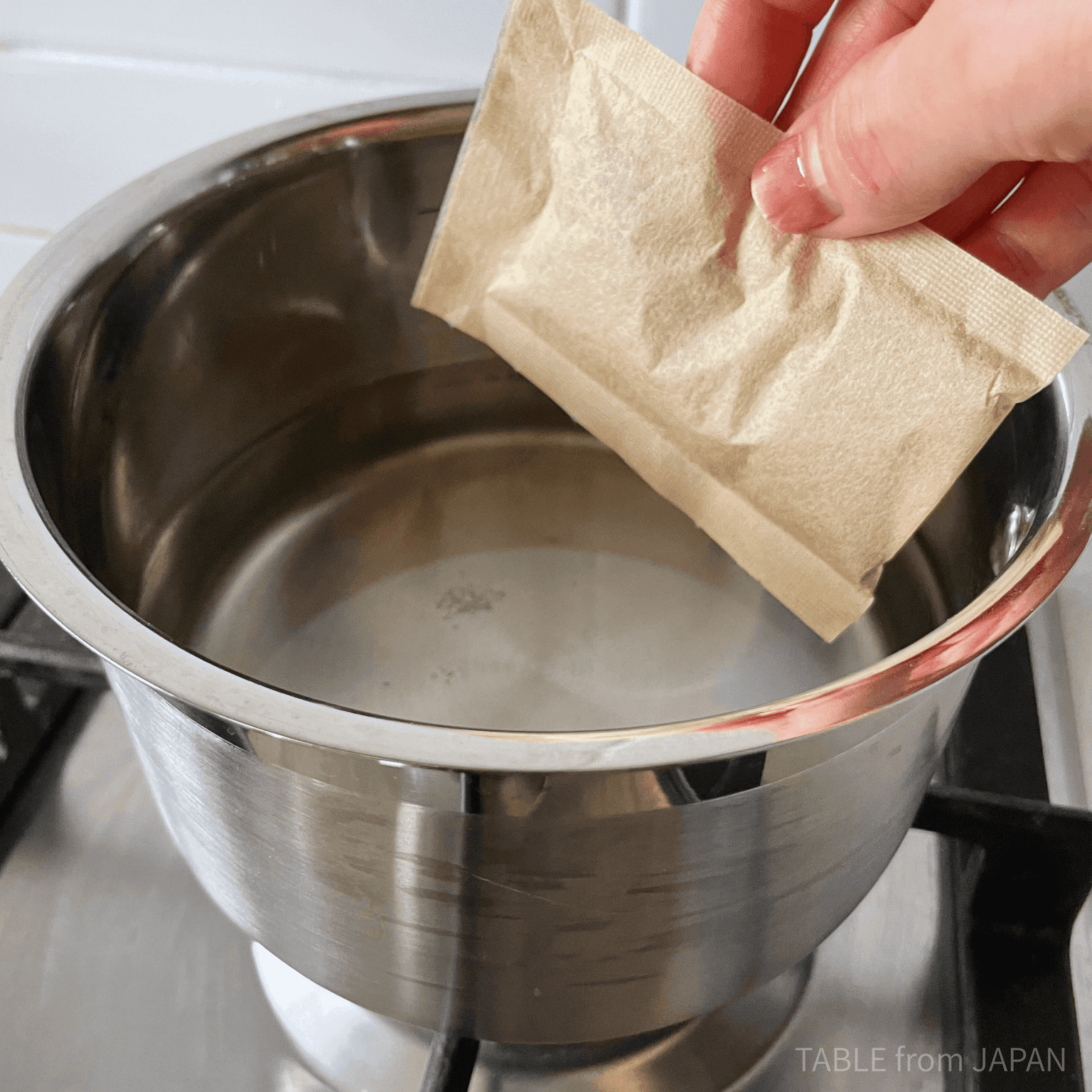
Prepare the dashi
Add 600 ml of water and 1 dashi pack to a pot. Bring it to a boil, then lower the heat and let it simmer for 3 to 5 minutes.
- 3
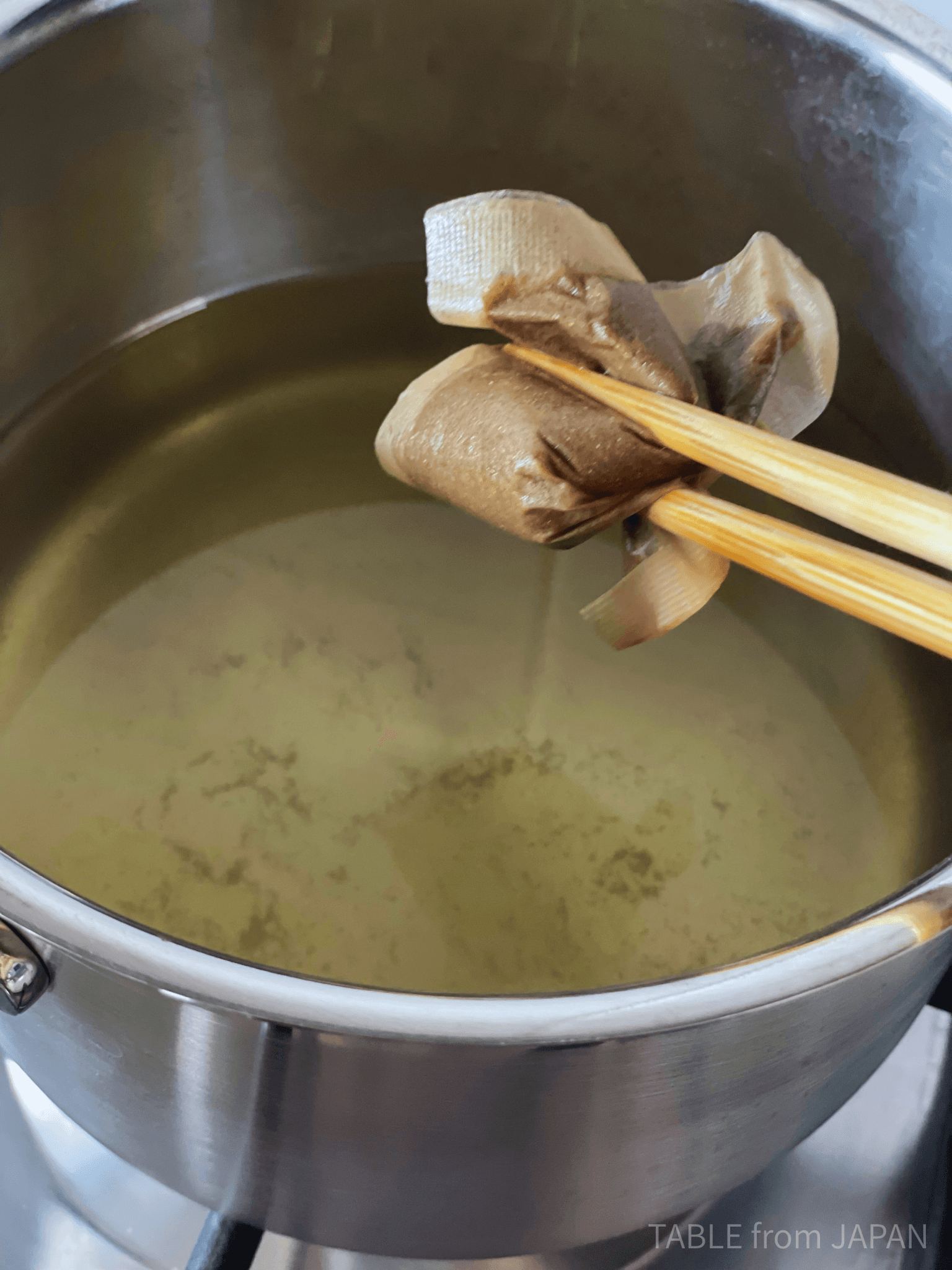
Remove the dashi pack
Turn off the heat. Gently squeeze the dashi pack with tongs or a spoon to release the last of the flavour, then remove it.
- 4
Add tofu and wakame
Return the dashi to medium heat. Once it comes to a gentle boil, add the tofu and simmer for 1 to 2 minutes. Add the wakame at the end and cook briefly.
- 5
Dissolve the miso
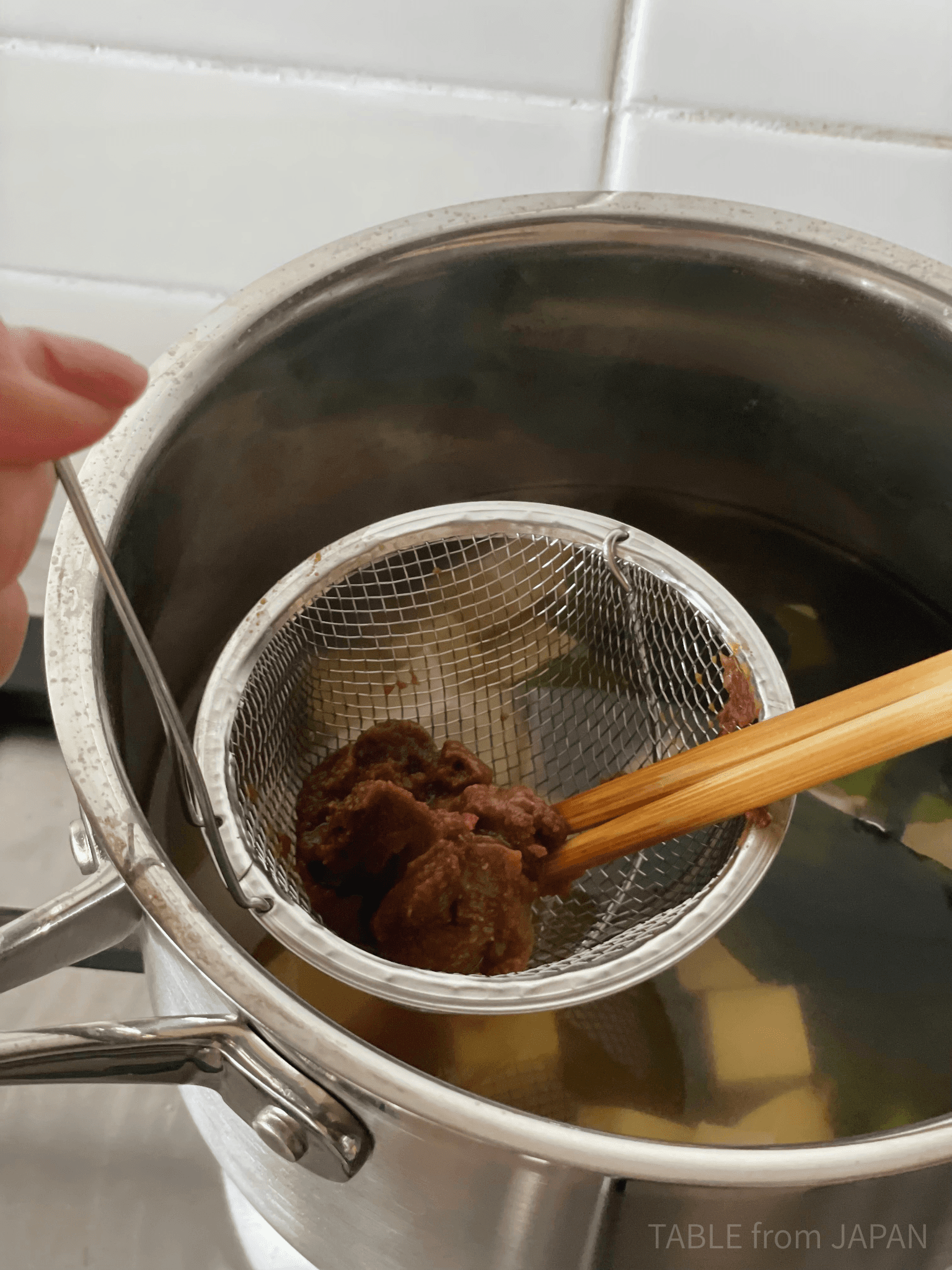
Turn off the heat. Place the miso in a ladle, dip the ladle into the broth, and gently stir until the miso dissolves into the soup. Do not let the soup boil after adding the miso.
Disclosure: This page may include affiliate links. If you make a purchase through these links, we may earn a small commission at no extra cost to you. Thank you for supporting TFJ.
Shop Ingredients for This Recipe
Tomoka's Note
I almost always use dashi packs when I make miso soup at home. They are easy to use and give a really good flavour. I usually buy dashi packs from a Japanese grocery store in Melbourne. Simmering time can vary slightly depending on the brand, so it is best to follow the instructions on the packet. - For miso, I used two types this time, shiro miso and aka miso, mixed about half and half. The shiro miso is from IGA, and the aka miso was one I tried for the first time from a local fruit and vegetable store near my house. Mixing the two miso gave the soup a nice, deeper flavour and turned out very well.
- For tofu, I often buy Macro silken tofu from Woolworths. It is easy to find and works well for miso soup. - For wakame, I usually buy dried wakame from a Japanese grocery store too. Cut dried wakame is very convenient for everyday miso soup because it is already cut and easy to use. Once you have dashi, miso, tofu and wakame ready, miso soup becomes a very easy everyday soup to make at home.
Where to Buy | Shop List
Looking for shops that carry Japanese ingredients in Australia?
Serve It With

FAQ
Can I boil miso soup?
Try not to boil miso soup after adding the miso. The delicate aroma of miso can fade at high heat, and the flavour may become less gentle. I turn off the heat first, then dissolve the miso into the soup.
Can I make miso soup without dashi?
Yes, but it helps to change the method a little. If you are not using dashi, try building flavour from the ingredients instead. Warm a little sesame oil in the pot, add vegetables or meat, then sprinkle with a little salt and cook gently. The salt helps draw out moisture and concentrate the natural umami from the ingredients before you add water and miso.
What tofu should I use for miso soup?
In Australia, silken tofu or soft tofu is closest to the tofu commonly used in Japan for miso soup. It has a smooth, delicate texture that works very well with the soup. Firm tofu can also be used if you prefer a slightly more substantial texture, and it is easier to handle without breaking.
How long does miso soup keep?
Miso soup is best enjoyed fresh, but you can keep leftovers in the fridge and enjoy them the next day. When reheating, warm the soup gently until just before boiling, then turn off the heat. Try not to let it boil strongly, as the miso aroma can fade. If the flavour tastes a little flat after reheating, you can dissolve in a small extra amount of miso at the end.