
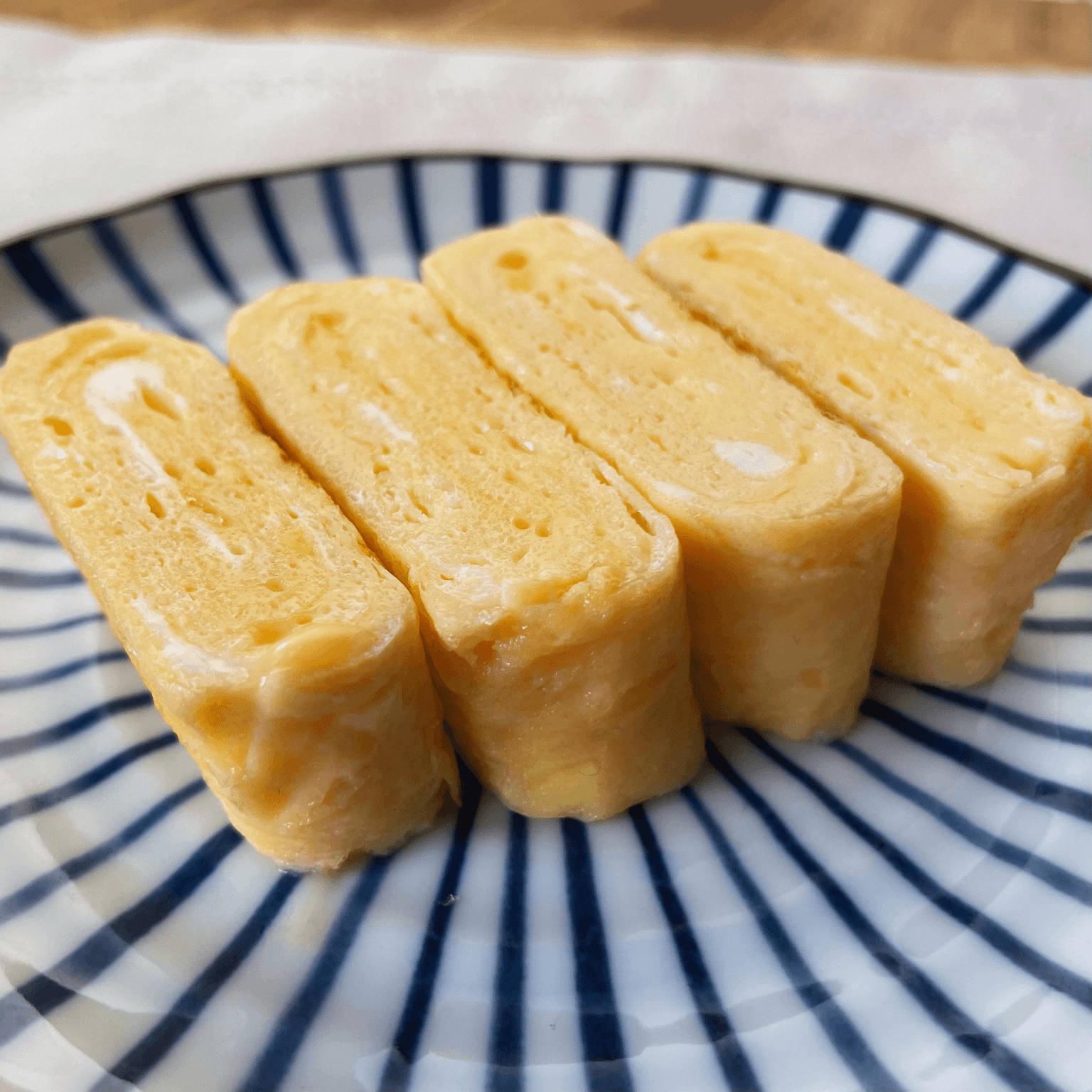
Tamagoyaki Recipe - A Simple Japanese Rolled Egg for Everyday Meals
Ingredients
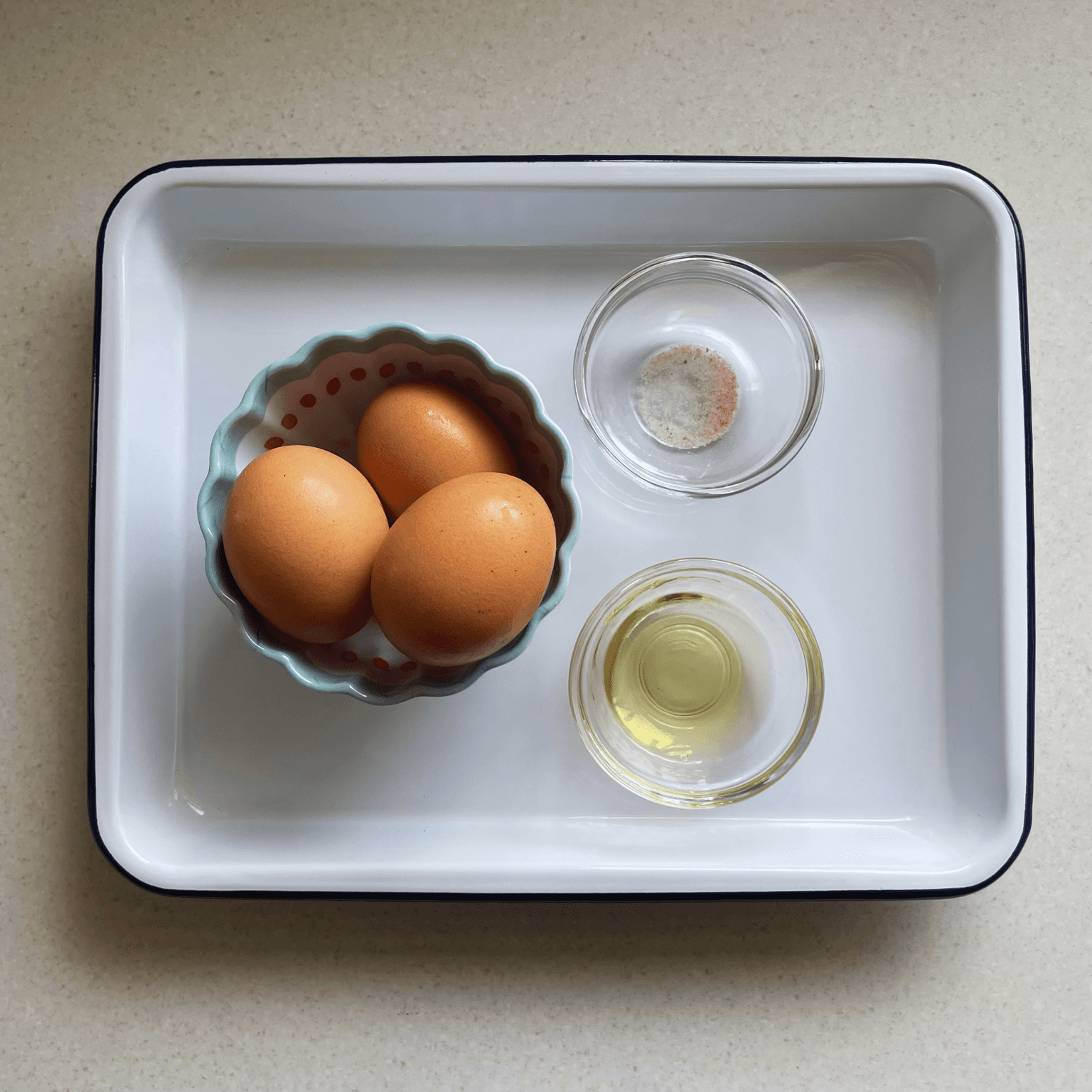
- 3 Eggs
- 1 tbsp
- 1 pinch Salt
- Cooking oil
Instructions
- 1
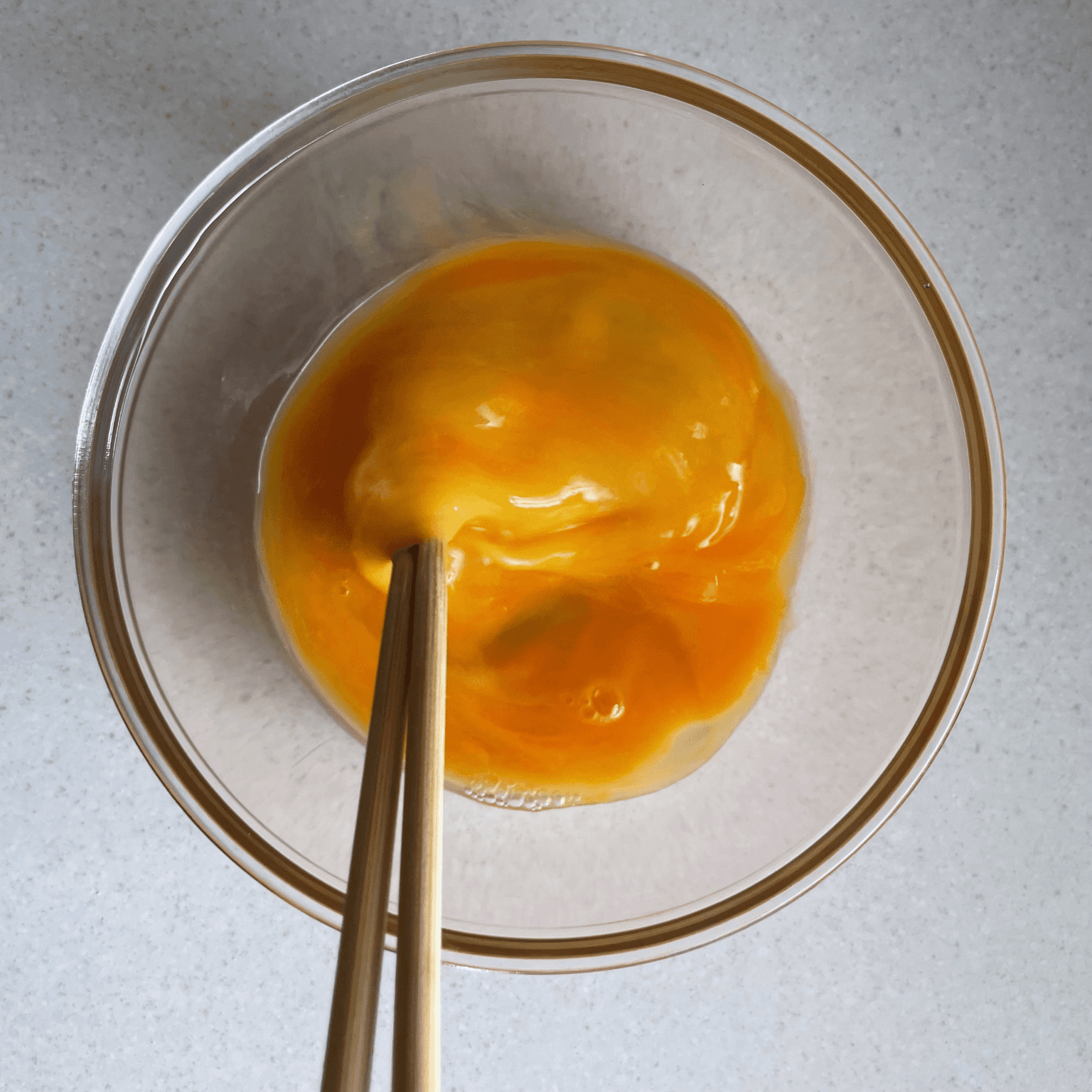
Crack the eggs into a bowl. Use chopsticks or a fork to gently break up the eggs without whisking too much air into them. Try to break up any large pieces of egg white as you mix. Add the mirin and salt, then mix until combined.
- 2
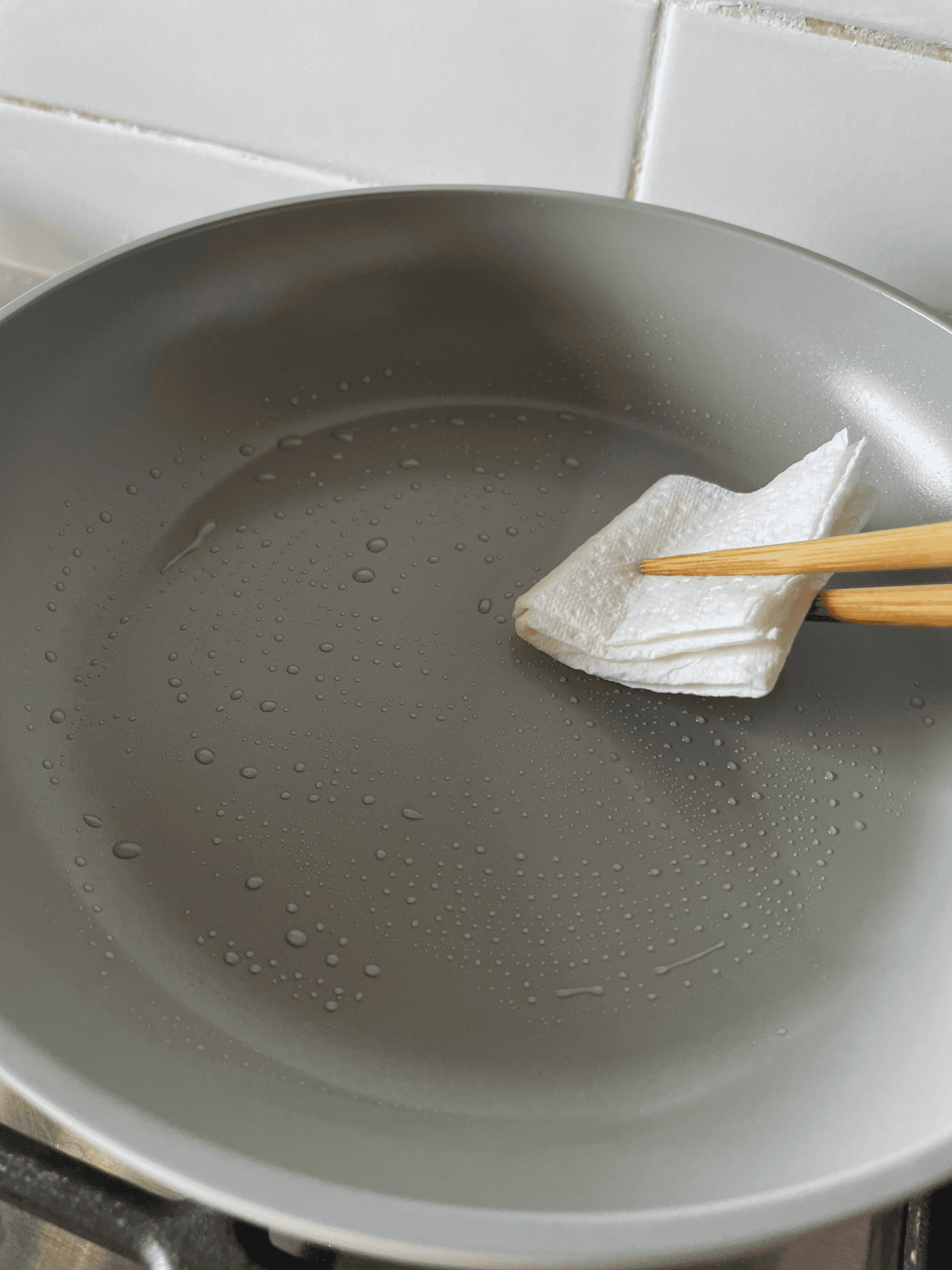
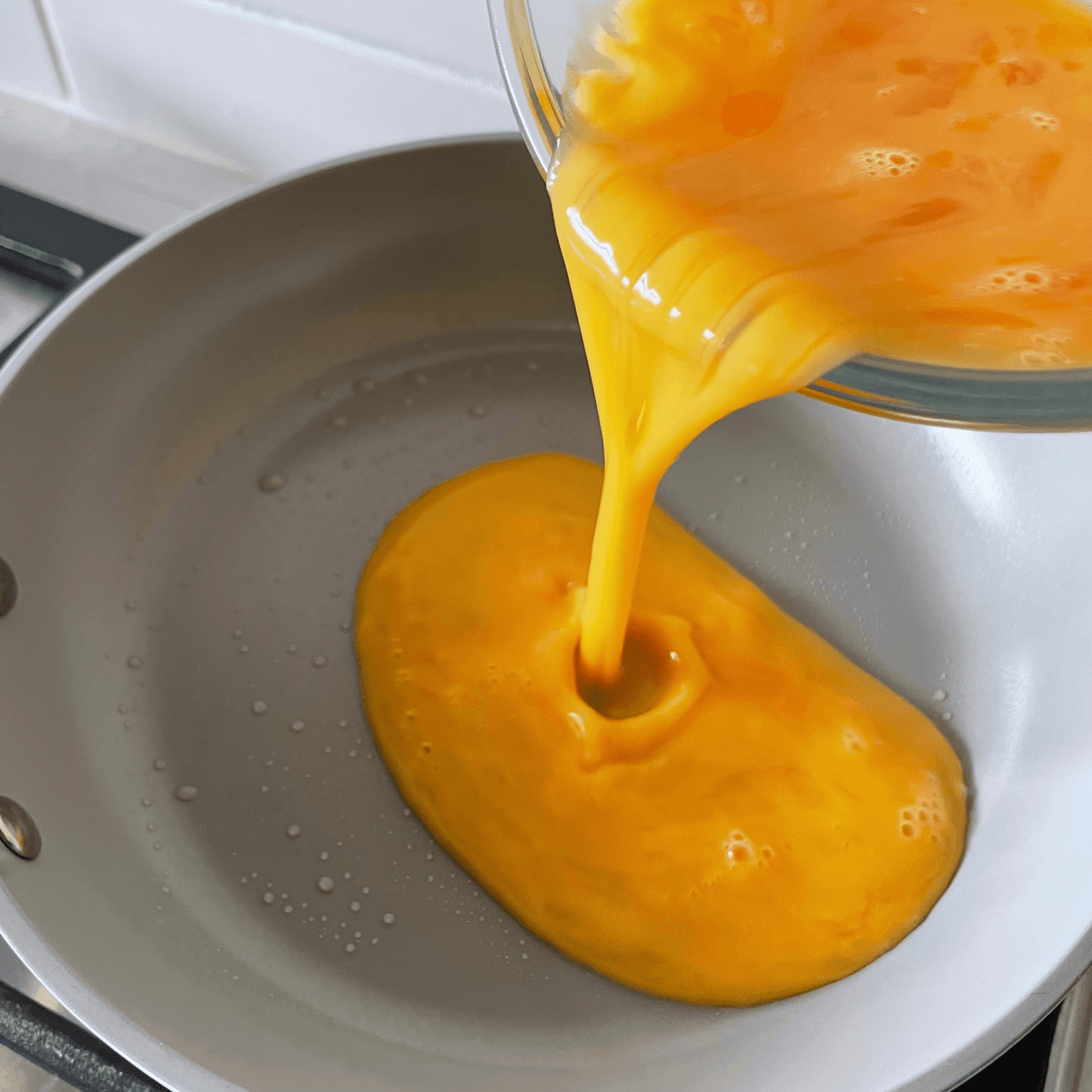
Lightly oil a tamagoyaki pan or small frying pan, then use a piece of kitchen paper to spread the oil thinly across the surface. Heat the pan over medium heat, then pour in about one third of the egg mixture and spread it across the pan.
Keep the oiled kitchen paper nearby so you can lightly oil the pan again between layers if needed.
- 3
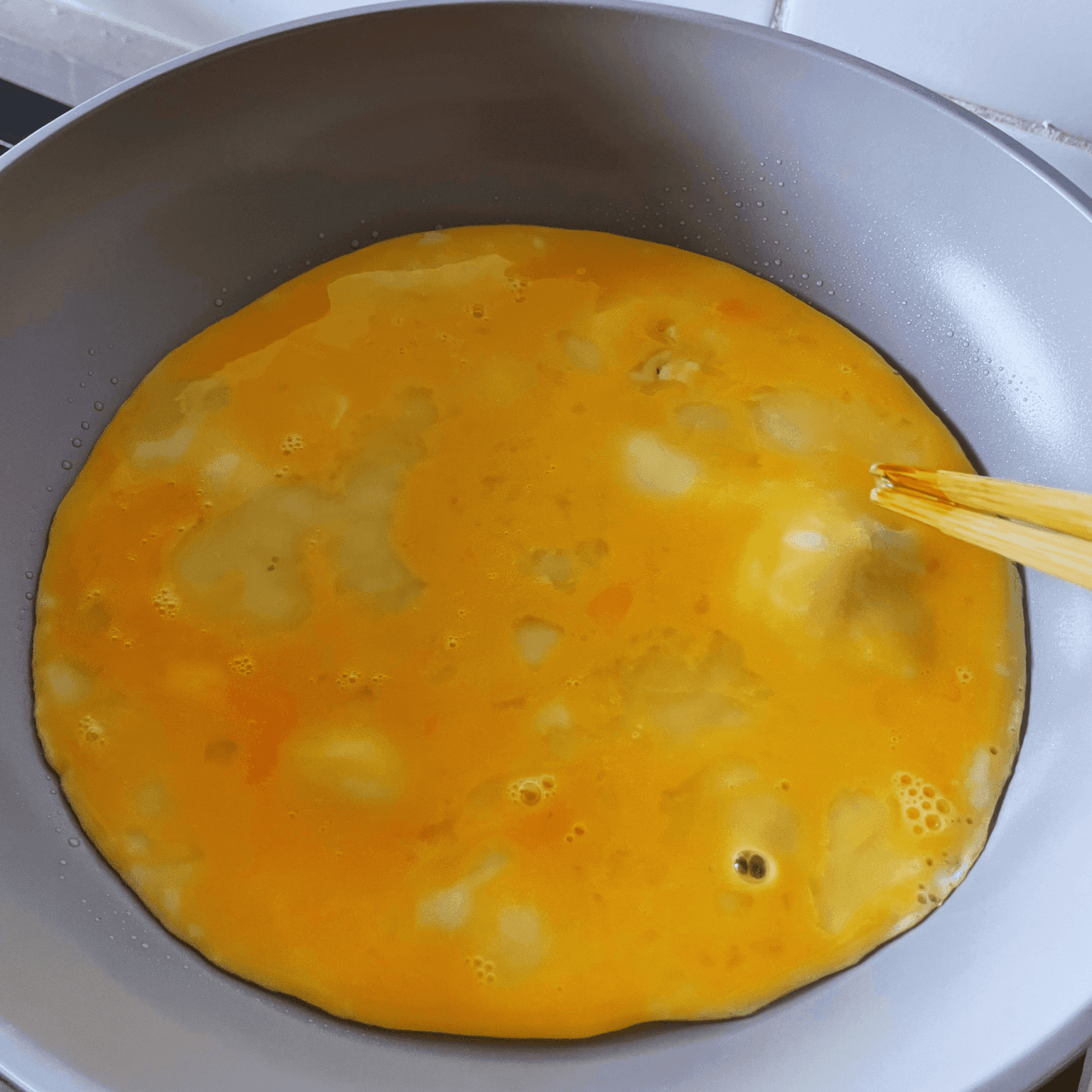
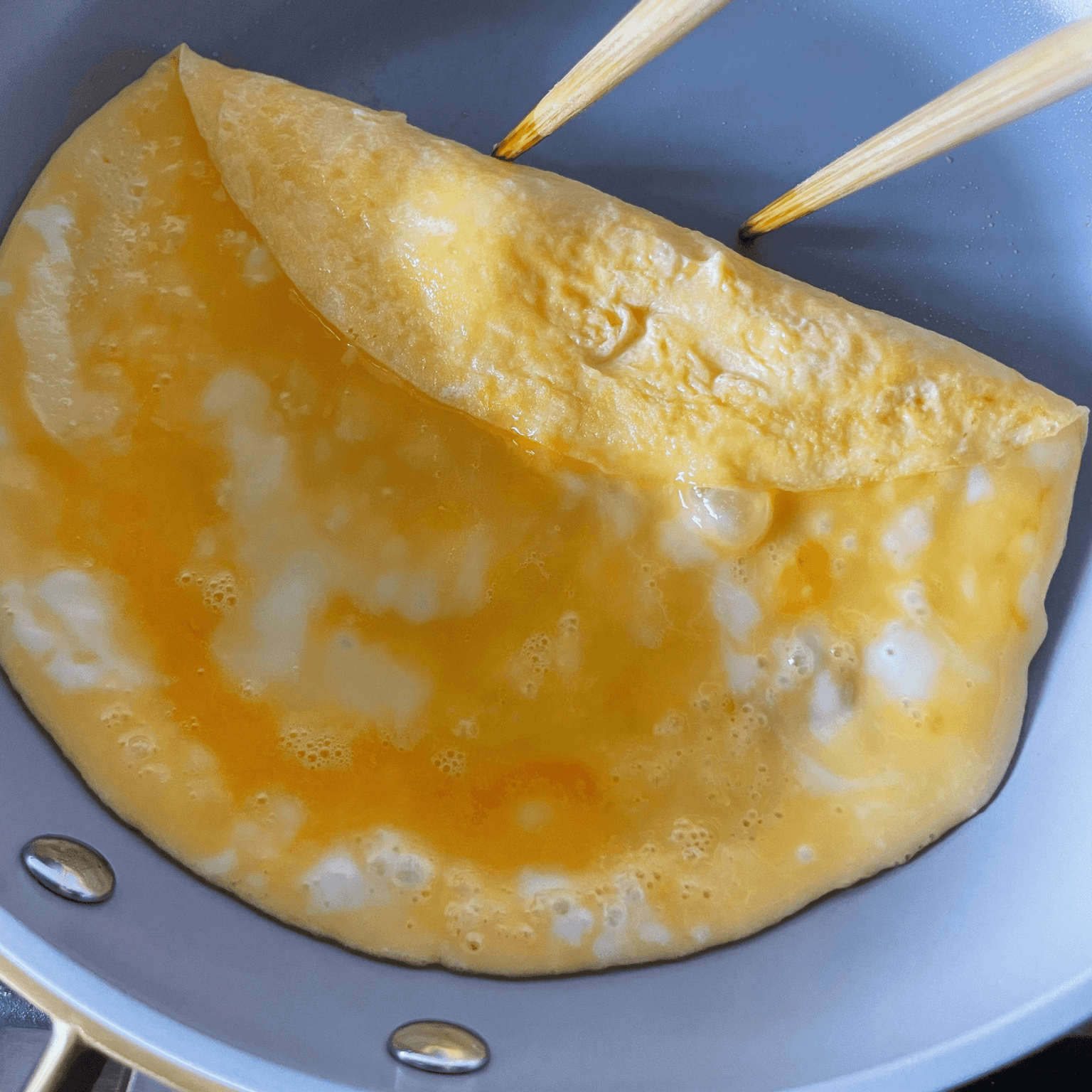
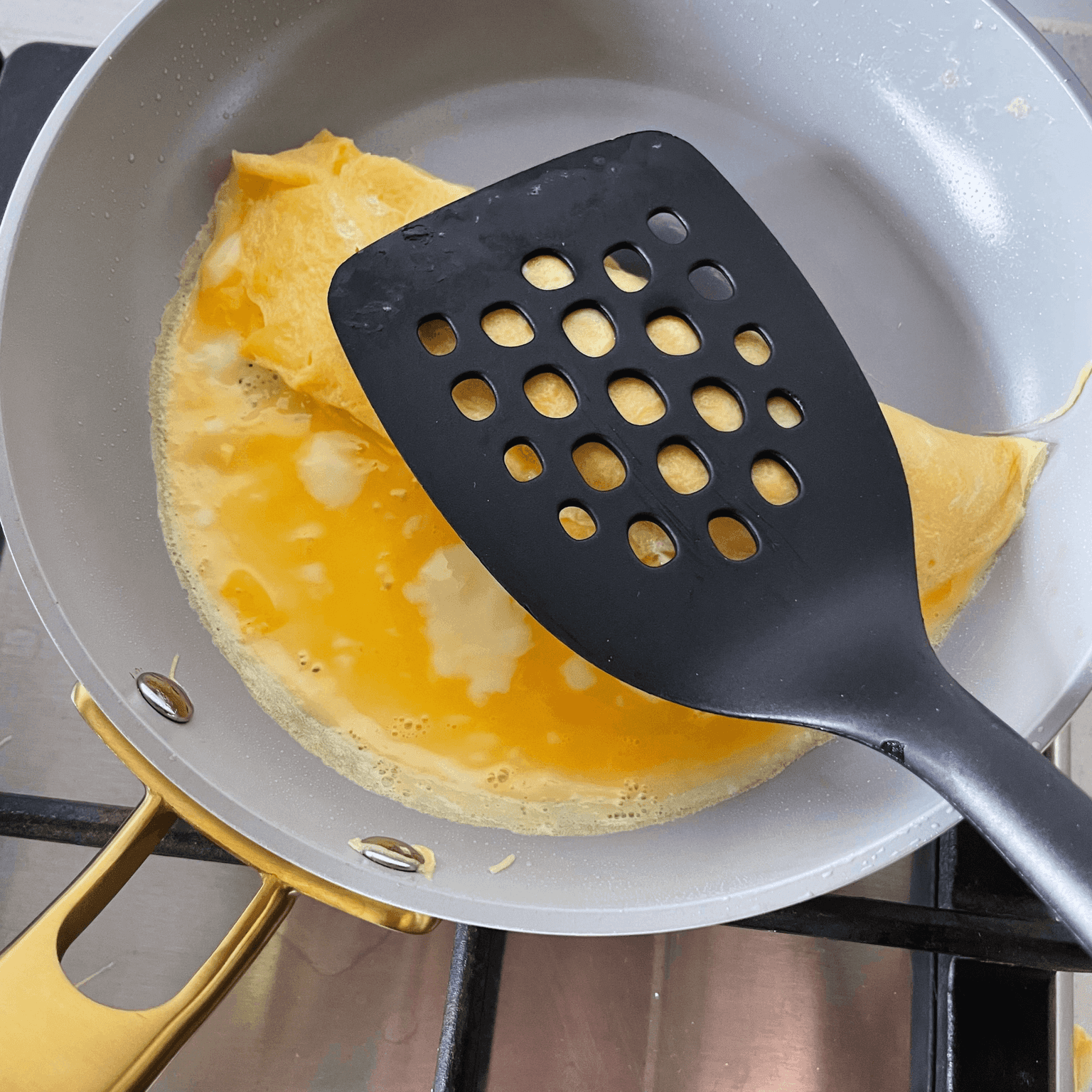
When the egg is mostly set but still slightly soft on top, roll it from the far side towards you. Move the rolled egg back to the far side of the pan. It does not need to look perfect. The first roll often looks a little messy, and that is completely normal.
- 4
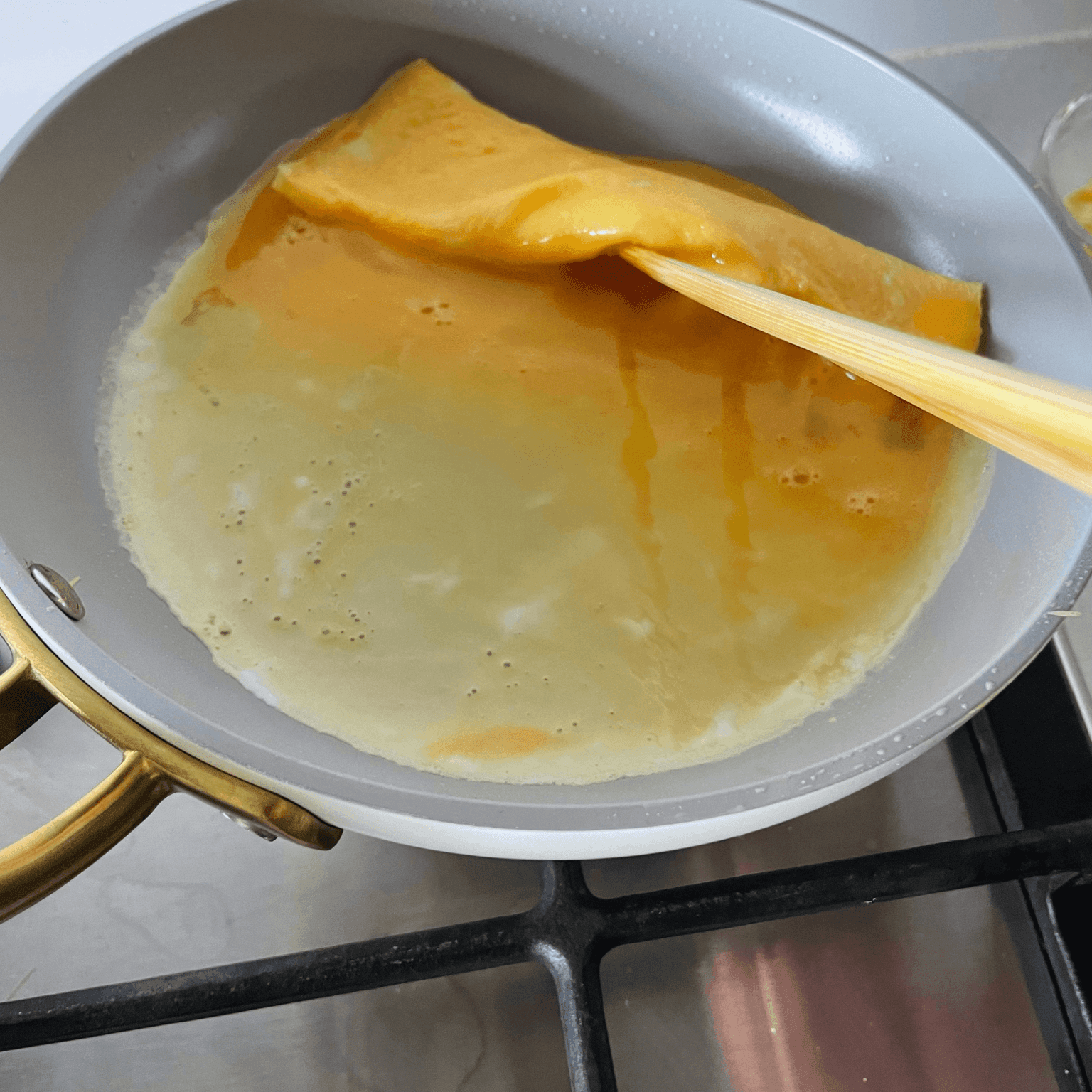
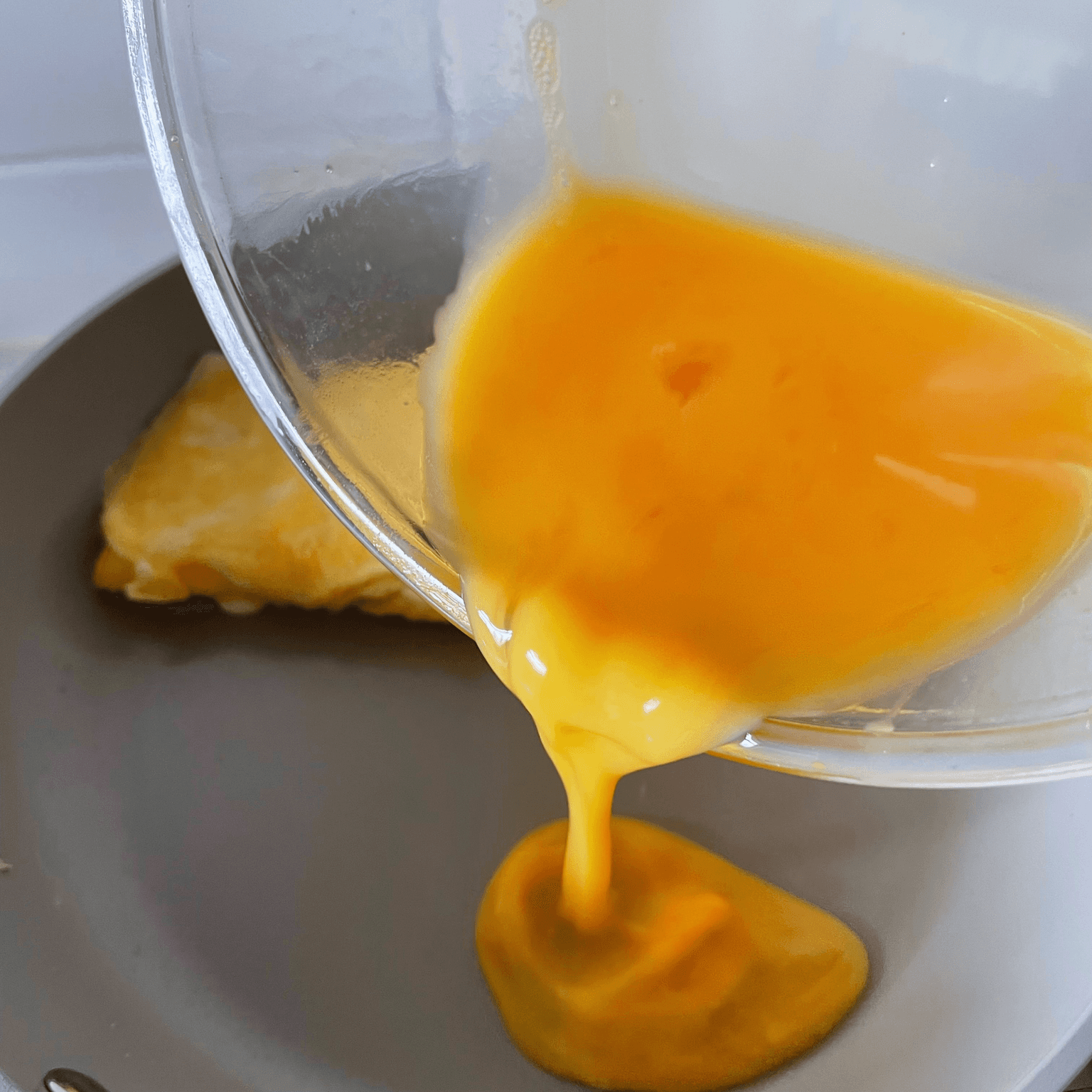
Lightly oil the pan again if needed, then pour in another third of the egg mixture. Lift the rolled egg slightly so the new egg can flow underneath, then roll again when mostly set.
- 5
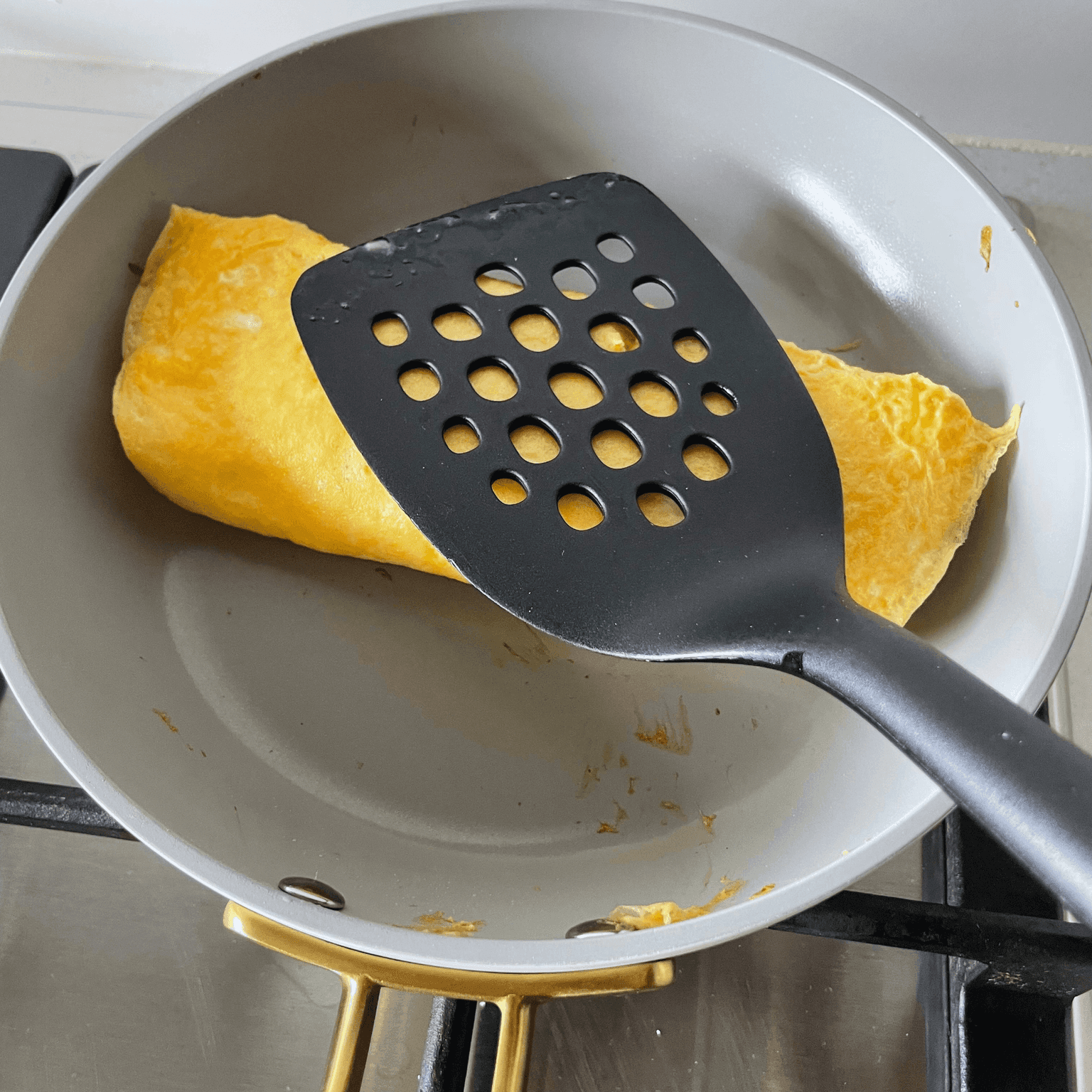
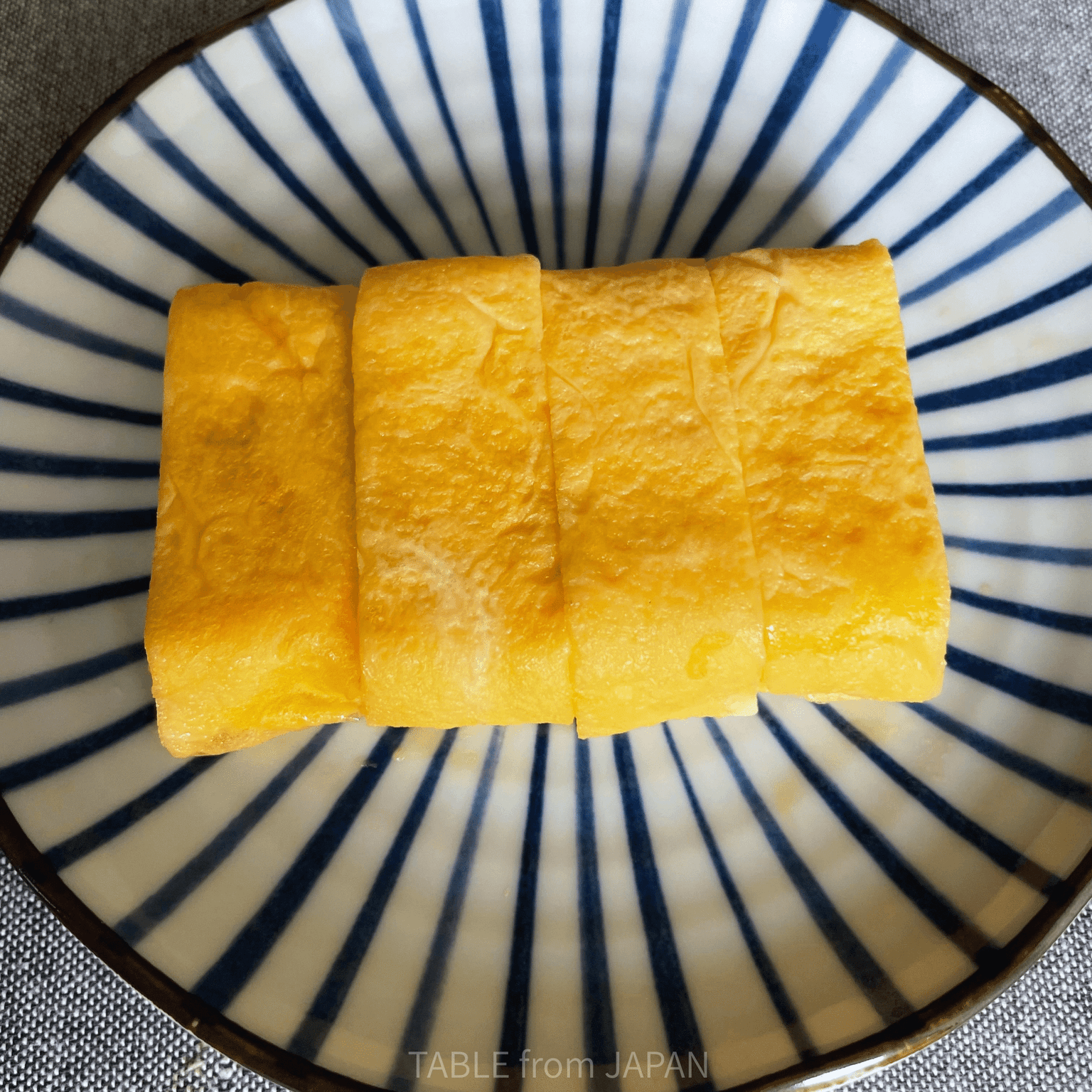
Repeat with the remaining egg mixture. Once cooked, let the tamagoyaki rest for a minute, then slice and serve.
Tamagoyaki can be served warm or at room temperature.
Disclosure: This page includes affiliate links. If you make a purchase through these links, we may earn a small commission at no extra cost to you. Thank you for supporting TFJ.
Shop Ingredients for This Recipe
Tomoka's Note
This is a very simple home-style tamagoyaki made with eggs, mirin and a little salt. It has a gentle sweetness and a comforting flavour, and is perfect as a side dish. I like this version as a starting point because you can focus on the rolling technique first. Later, you can try other versions with dashi, soy sauce or a little sugar depending on the flavour you like. I will add more recipes here in the future. For this recipe, I used hon mirin that I bought from a Japanese grocery store. If you cannot find hon mirin nearby, a mirin such as Spiral can be a useful option from local stores. I often use it when I run out of hon mirin. A few tips to help it turn out well: Keep the heat around medium-low. Hon mirin contains sugar and alcohol, so tamagoyaki made with mirin can brown more easily than plain rolled egg. After heating the pan over medium heat, lower it slightly and cook around medium-low. This helps keep the colour soft and yellow. Oil the pan each time. Each time before you pour in more egg mixture, use folded kitchen paper to lightly oil the pan again. Try to oil the pan well, including the sides, so the egg does not stick and rolls more easily. Do not worry if the first roll is messy. The first roll becomes the centre of the tamagoyaki, so it does not need to look perfect. The second and third layers will wrap around it and help the shape come together. You can also gently press it into shape with a spatula as you go. If you see large bubbles while cooking, gently pop them with chopsticks so the inside looks smoother when sliced. Once you get used to the rolling, tamagoyaki becomes a lovely little side dish for bento or everyday meals.
Where to Buy | Shop List
Looking for shops that carry Japanese ingredients in Australia?
Serve It With
FAQ
Can I make tamagoyaki in a round frying pan?
Yes. A tamagoyaki pan makes the shape neater, but you can absolutely make tamagoyaki in a small round frying pan. If you want to stop the ends from becoming too thin, fold the left and right edges in slightly before rolling the egg from the far side towards you. Keep the heat gentle and shape it into a rectangle as you roll.
Why does my tamagoyaki break when I roll it?
It may be cooking too quickly or the egg layer may be too dry. Keep the heat low to medium-low and roll while the surface is still slightly soft. When mixing the eggs, try not to beat air into them. Keep the tips of your chopsticks touching the bottom of the bowl and move them as if cutting through the egg whites, so the yolks and whites mix evenly. This helps the tamagoyaki cook more neatly and makes it easier to roll.
Is tamagoyaki supposed to be sweet?
It depends on the home and region. Some tamagoyaki is gently sweet, while other styles are more savoury, such as Kansai-style dashimaki tamago. This recipe is a simple home-style version with a gentle sweetness.
Can I make tamagoyaki ahead of time?
Yes. Tamagoyaki is lovely in a bento or as a small side dish, so you can make it ahead and keep it in the fridge. Make sure it is cooked through, let it cool completely, then store it in the fridge. Enjoy it within 1-2 days.