
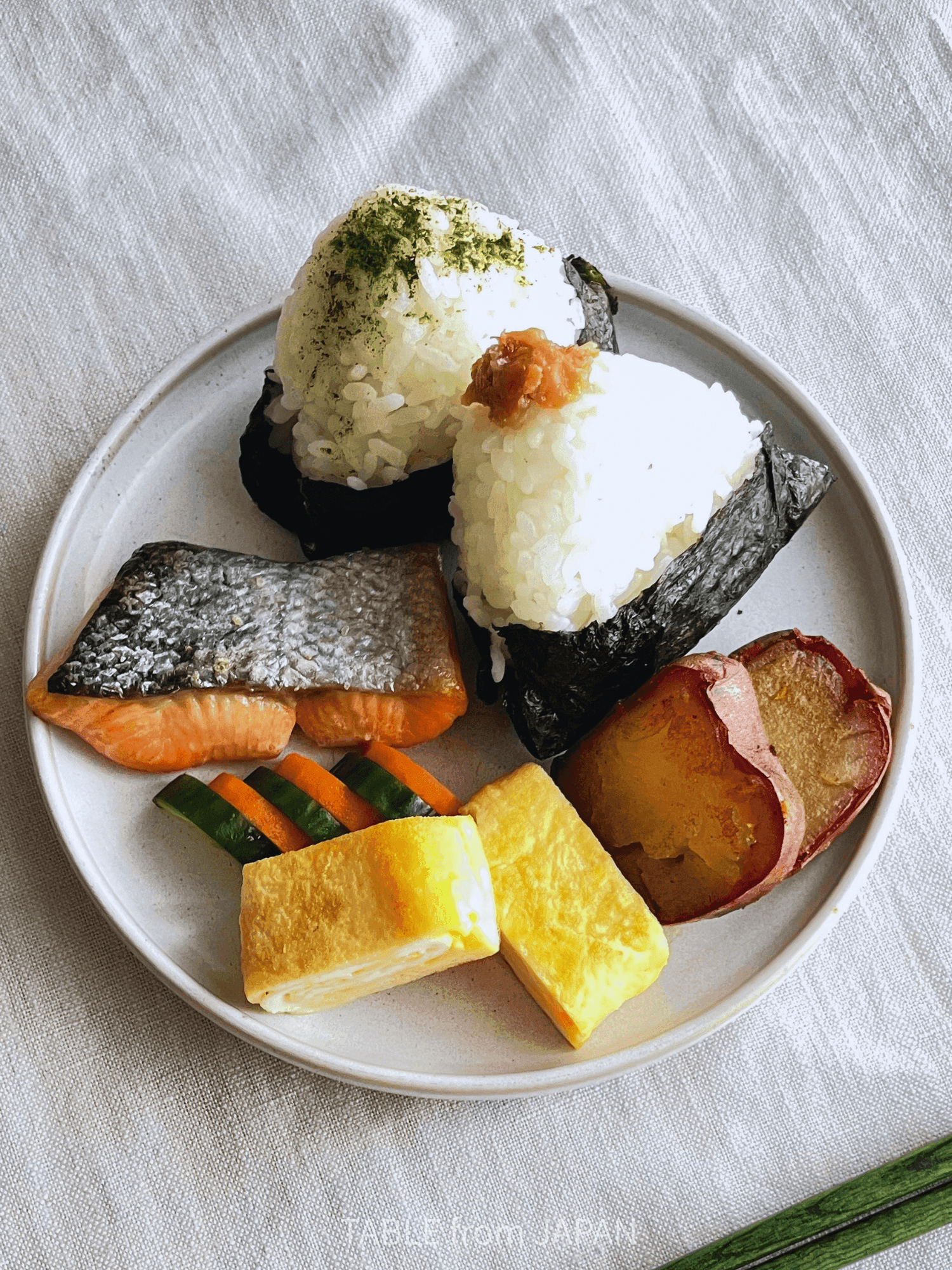
Japanese home cooking is not about making restaurant-style food every day.
For many families in Japan, it is simple, seasonal and practical. It is the kind of food that fits into everyday life: a bowl of rice, a warm soup, a main dish and a few small things on the side when there is time.
If you are cooking Japanese food in Australia, it can feel a little unfamiliar at first. The good news is that you do not need a large pantry or special equipment to begin. A few basic ingredients and simple habits can take you a long way.
Rice often sits at the centre of a Japanese home meal. It is usually served with other dishes, rather than treated as a side.
A simple meal might be rice with miso soup, grilled fish and a small vegetable dish. The rice helps bring everything together and makes the meal feel complete.
If rice is the part that feels confusing, this guide is a good place to start.
Japanese Rice in Australia: How to Choose Rice for Everyday Meals
You may have seen Japanese meals with many small plates, but home cooking does not always look like that. On busy days, one bowl of rice, one main dish and miso soup can be enough.
At home, Japanese food is not only old traditional dishes. It can also be curry rice, donburi bowls or Japanese-style pasta, known in Japan as wafu pasta. These dishes came from outside Japan, but over time they became part of everyday Japanese cooking.
The idea is balance rather than perfection. A meal might include something warm, something savoury and something simple that makes it feel satisfying.
- Rice as the base of the meal
- Soup or a light side when you have time
- A main dish with a simple, well-defined flavour
- Simple vegetables, pickles or small side dishes when they fit the meal
A lot of Japanese home cooking comes from a small group of pantry ingredients. Soy sauce, mirin, cooking sake, miso, dashi and Japanese rice are a good place to start.
Once you understand how these ingredients work, cooking becomes much simpler. You begin to recognise the same flavours appearing across different dishes, just used in slightly different ways.
Some of the things that make Japanese food taste good are very small habits: rinsing rice gently, not boiling miso and letting simple seasonings balance each other.
These habits are not difficult, but they make a difference. They are also the kind of things you learn naturally by cooking the same simple meals again and again.
If you would like to start with rice, this guide walks through the process step by step.
How to Cook Japanese Rice So It Tastes Soft, Glossy and Just Right
Luckily, many Australian supermarkets now carry the basic Japanese seasonings for everyday cooking. You can often find soy sauce, mirin-style seasoning, cooking sake, miso or rice vinegar at Coles, Woolworths and IGA, and sometimes even at local grocery or fruit and vegetable shops. Dashi packs, Japanese rice and more specific pantry items are usually easier to find at Japanese grocery stores or online.
You do not need everything at once. It is often easier to start with a few dishes you actually want to cook, then slowly build your pantry around those meals.
If you want to see shops that carry Japanese ingredients in Australia, I keep a separate list here.
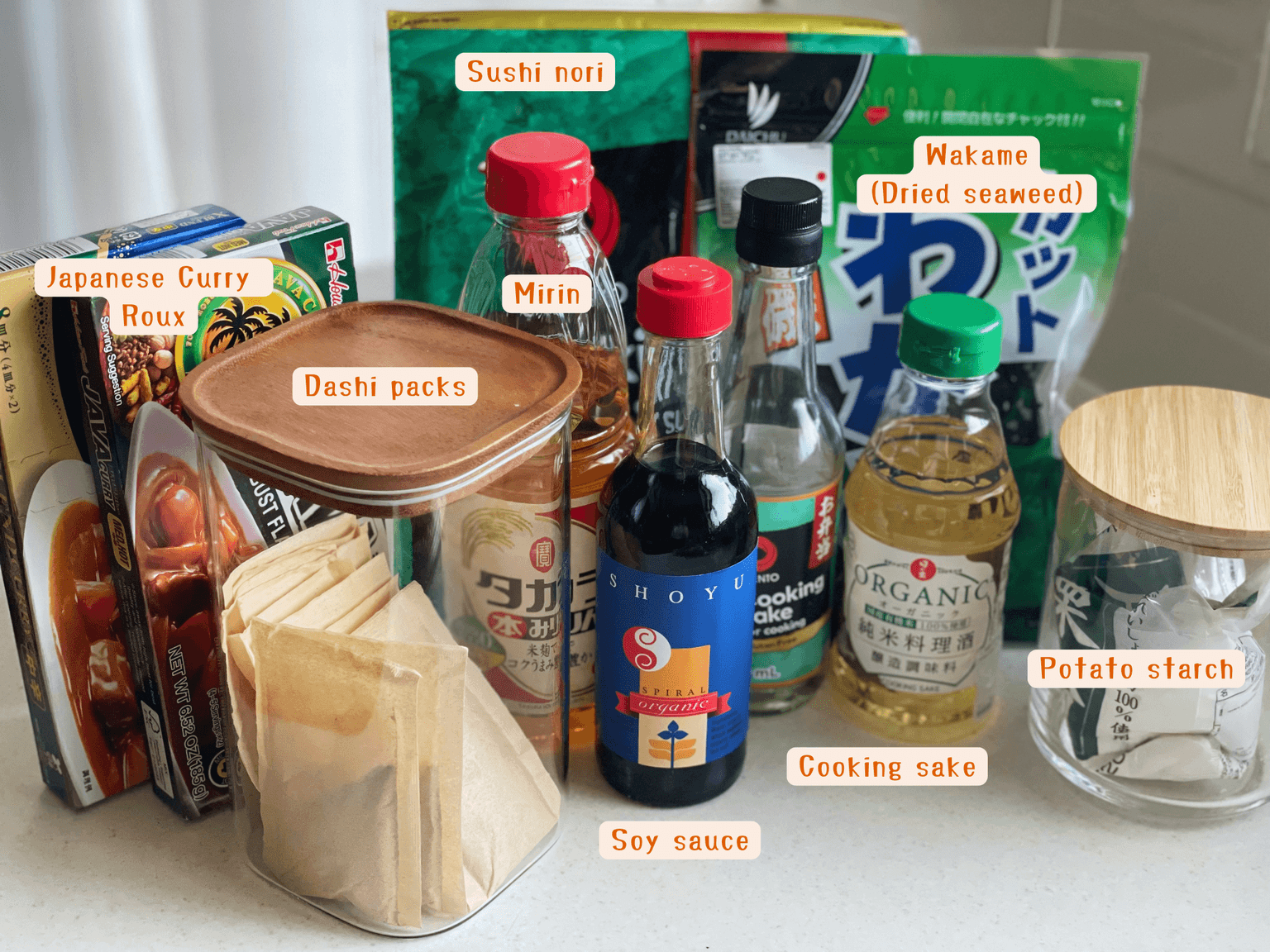
Here are some of the ingredients I keep at home for everyday Japanese cooking.
At home, I usually keep soy sauce, mirin, cooking sake, dashi packs, Japanese curry roux, wakame (cut dried seaweed) and potato starch in the pantry. I also keep a few types of miso and Japanese rice in the fridge.
It is a simple pantry, but these basics are enough for many everyday meals.
If you are new to Japanese home cooking, start with one simple meal. Cook rice well, make one main dish and add miso soup when you feel ready. A simple dish such as tamagoyaki can also be a nice place to begin.
These recipes are good places to begin:
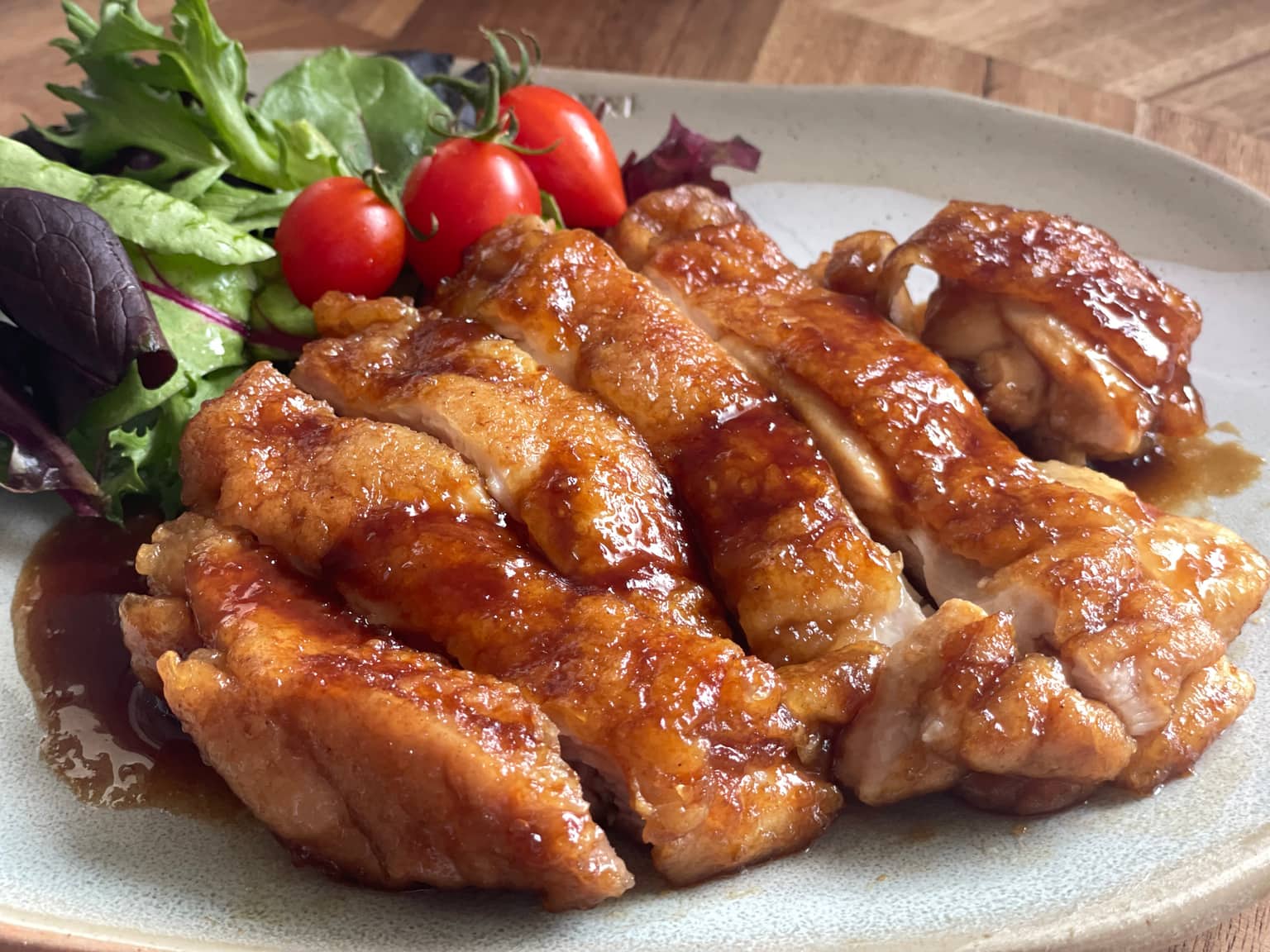
Teriyaki Chicken
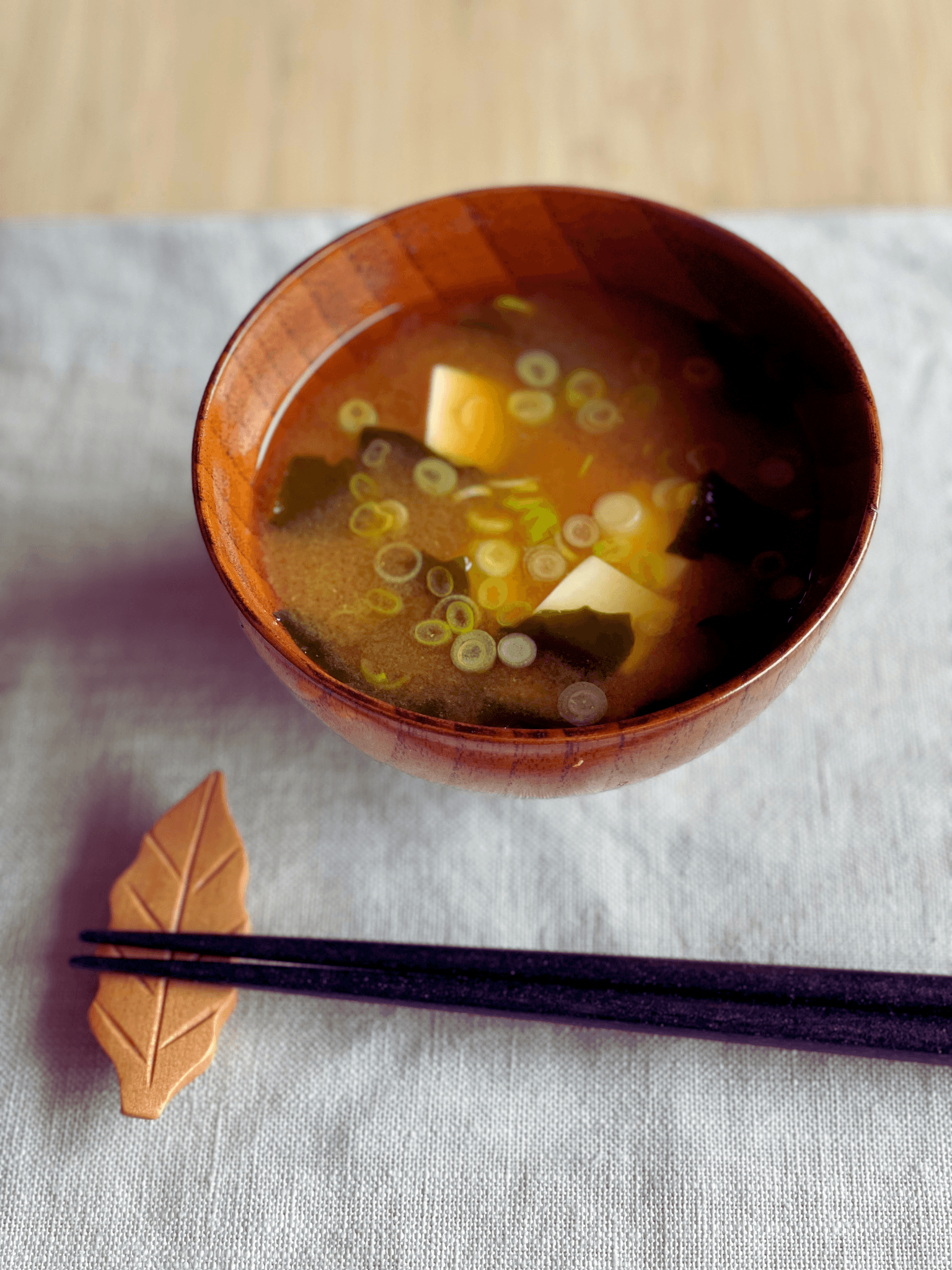
Tofu & Wakame Miso Soup
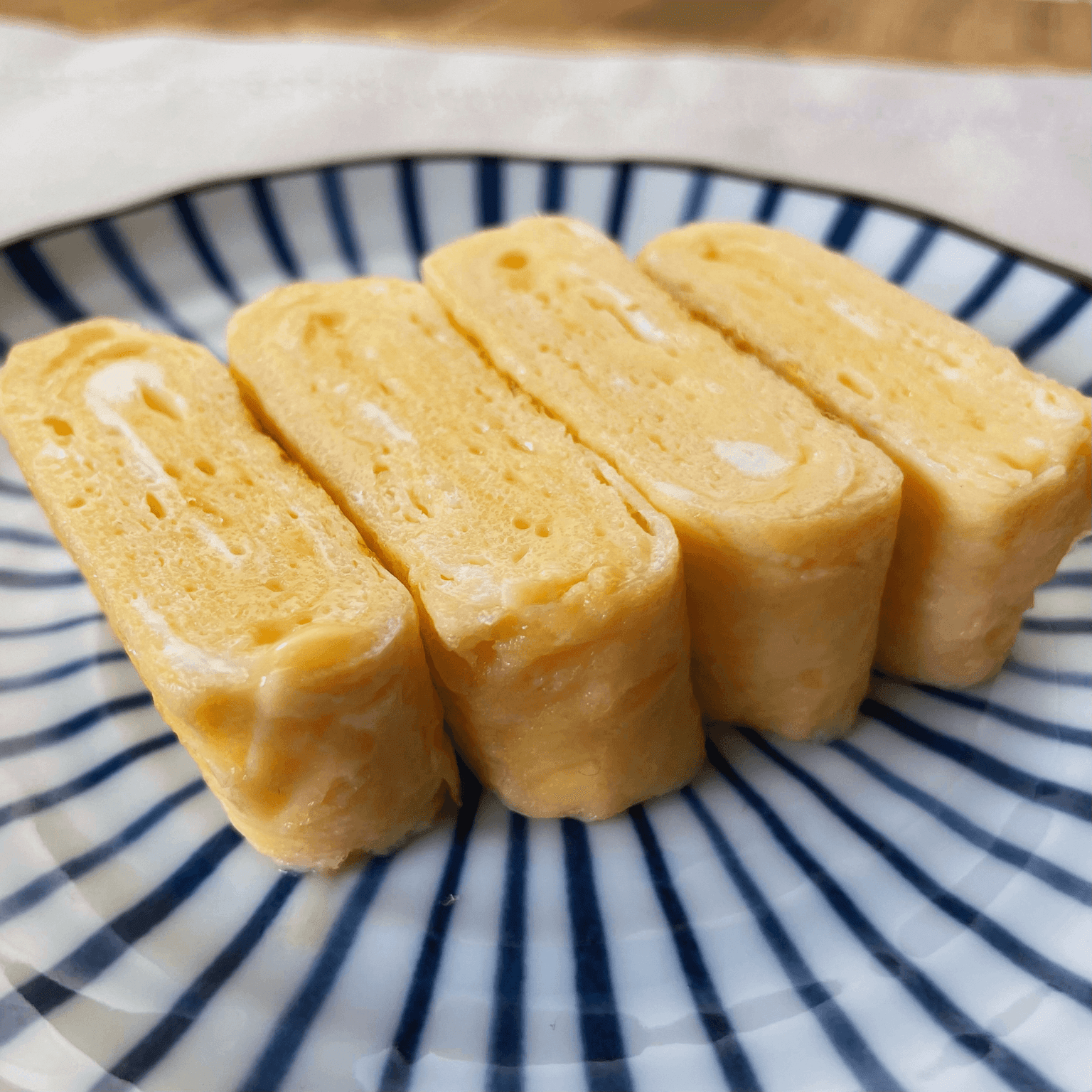
Tamagoyaki
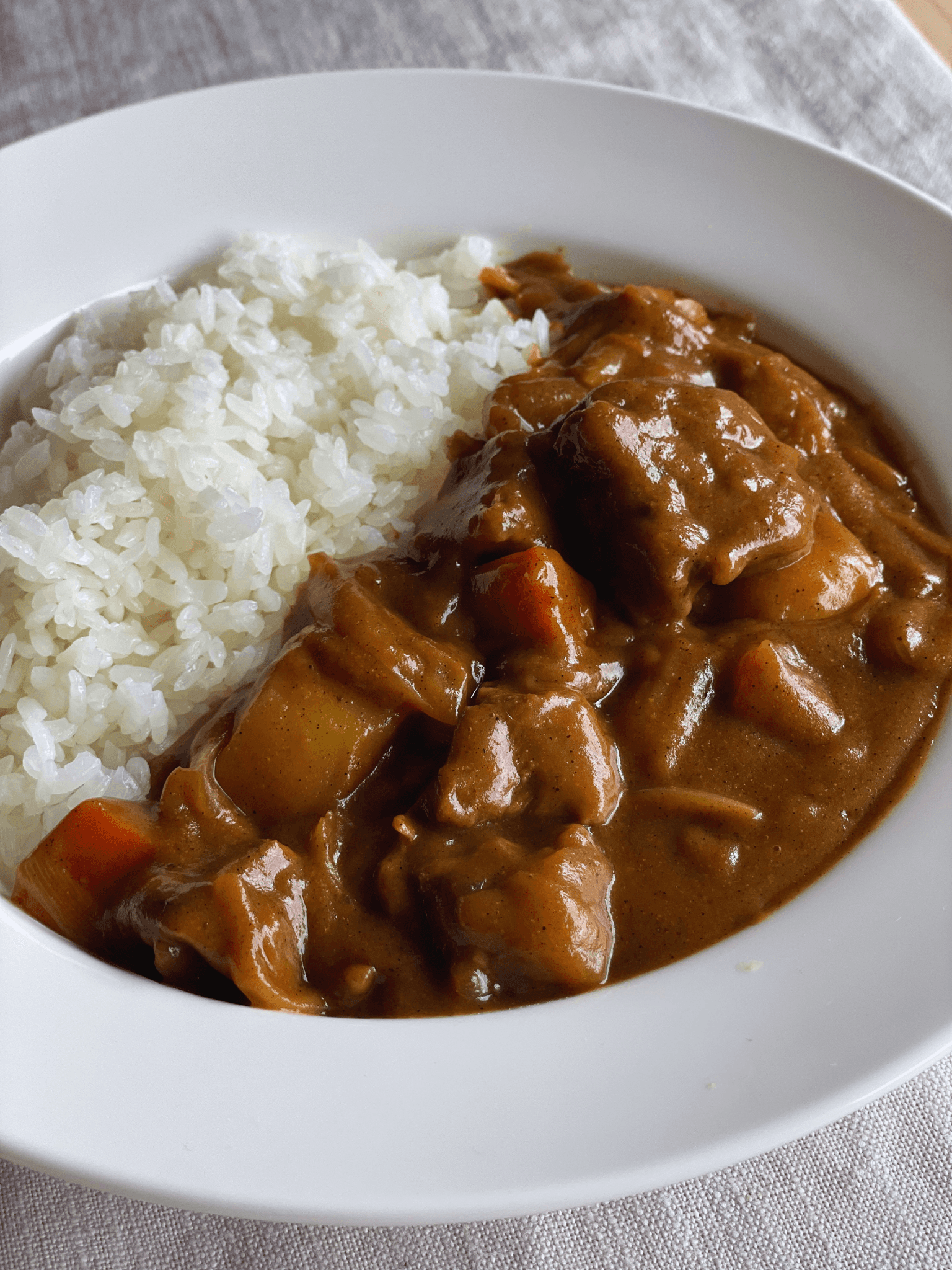
Japanese Curry
I hope this helps Japanese home cooking feel a little more familiar. Start with one meal you enjoy, repeat it a few times and let it slowly become part of your routine.
- Tomoka