Disclosure: This post may contain affiliate links. If you purchase through these links, I may earn a small commission at no extra cost to you.
Thank you for supporting Table from Japan.
Rice is something many Japanese people eat almost every day, and it is hard to imagine a meal without it.
In Japanese home cooking, it is often served alongside a main dish, soup and small side dishes. It may look simple, but it sits at the heart of the meal.
If you are cooking Japanese food in Australia, the good news is that it is quite easy to find rice that works well.
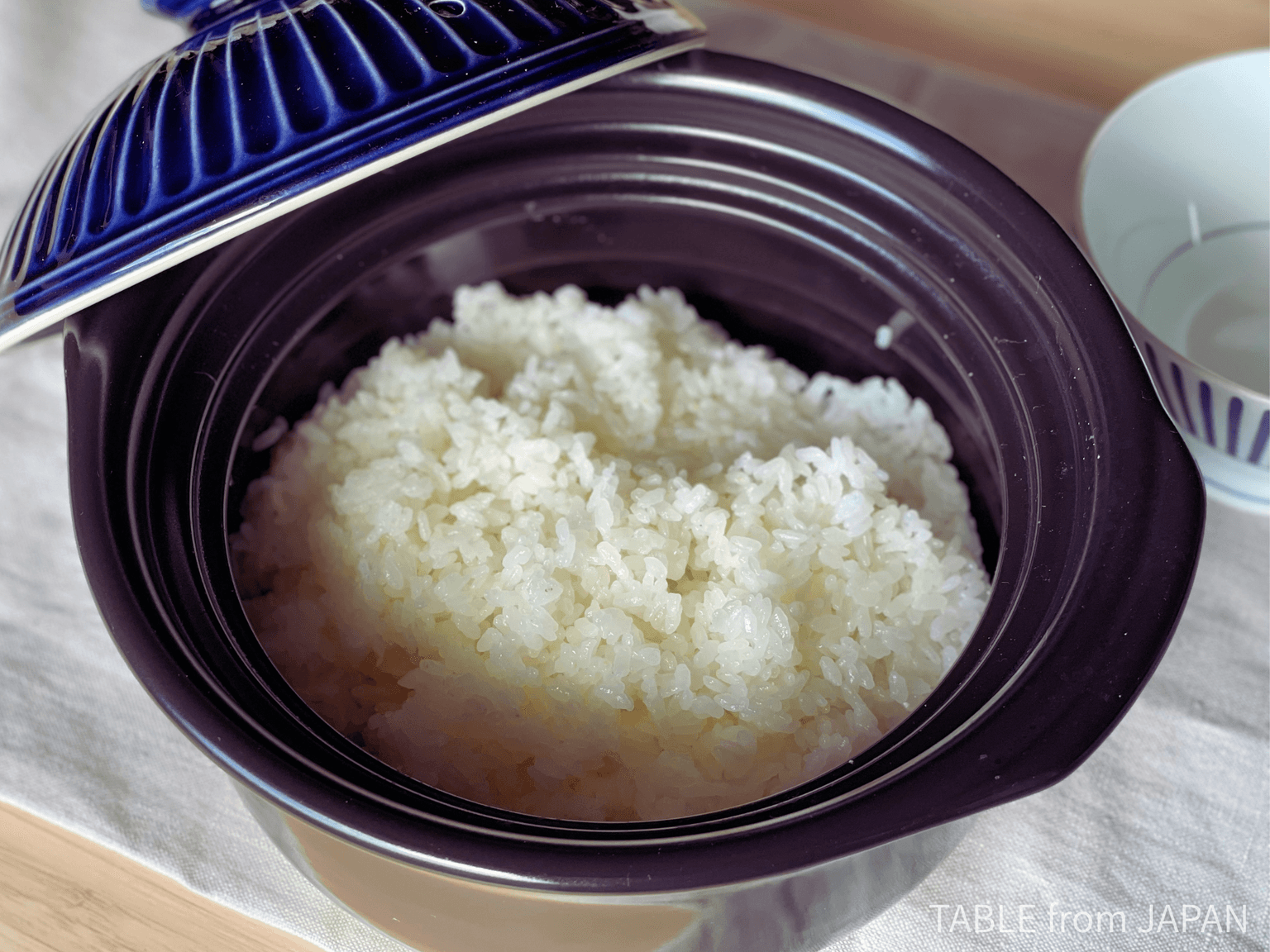
Japanese meals are usually made with Japanese short-grain rice.
When cooked, the grains are soft and cling together gently, making the rice easy to eat with chopsticks and suitable for rice bowls, onigiri and everyday meals.
You may see it labelled as:
- Japanese rice
- Sushi rice
- Short grain rice
Look for Japanese short-grain rice or rice labelled sushi rice.
Japanese Rice to Try
This can be confusing at first.
In Australian supermarkets, uncooked short-grain rice is often sold as "sushi rice". Although it is labelled sushi rice, you can also cook and serve it as plain rice for everyday Japanese meals.
In Australia, rice labelled sushi rice or short-grain rice is available from many major supermarkets. For varieties such as Koshihikari, Japanese grocery stores, larger Asian grocers and online shops are also worth checking.
There are more than 300 varieties of rice grown in Japan, across different regions of the country.
Among them, Koshihikari is one of the most well known.
It is widely grown across Japan and is known for its soft texture and gentle stickiness when cooked.
Koshihikari has been widely enjoyed in Japan for many years, and many people are familiar with its texture.
There are also other popular types of Japanese rice, such as Akitakomachi and Hitomebore. Each variety has its own small differences, but they are all enjoyed as part of Japanese meals.
In Japanese meals, rice is served as the staple, alongside a main dish and side dishes such as soup and vegetables. This is the everyday style I grew up with.
Rather than eating one dish at a time, it is common to eat a small amount from each dish, moving between rice, the main dish, and the side dishes.
This style of eating is sometimes described as a “triangle” pattern, as the chopsticks move between the different dishes in a balanced way.
It is a natural part of Japanese food culture, and many people learn this way of eating from a young age.
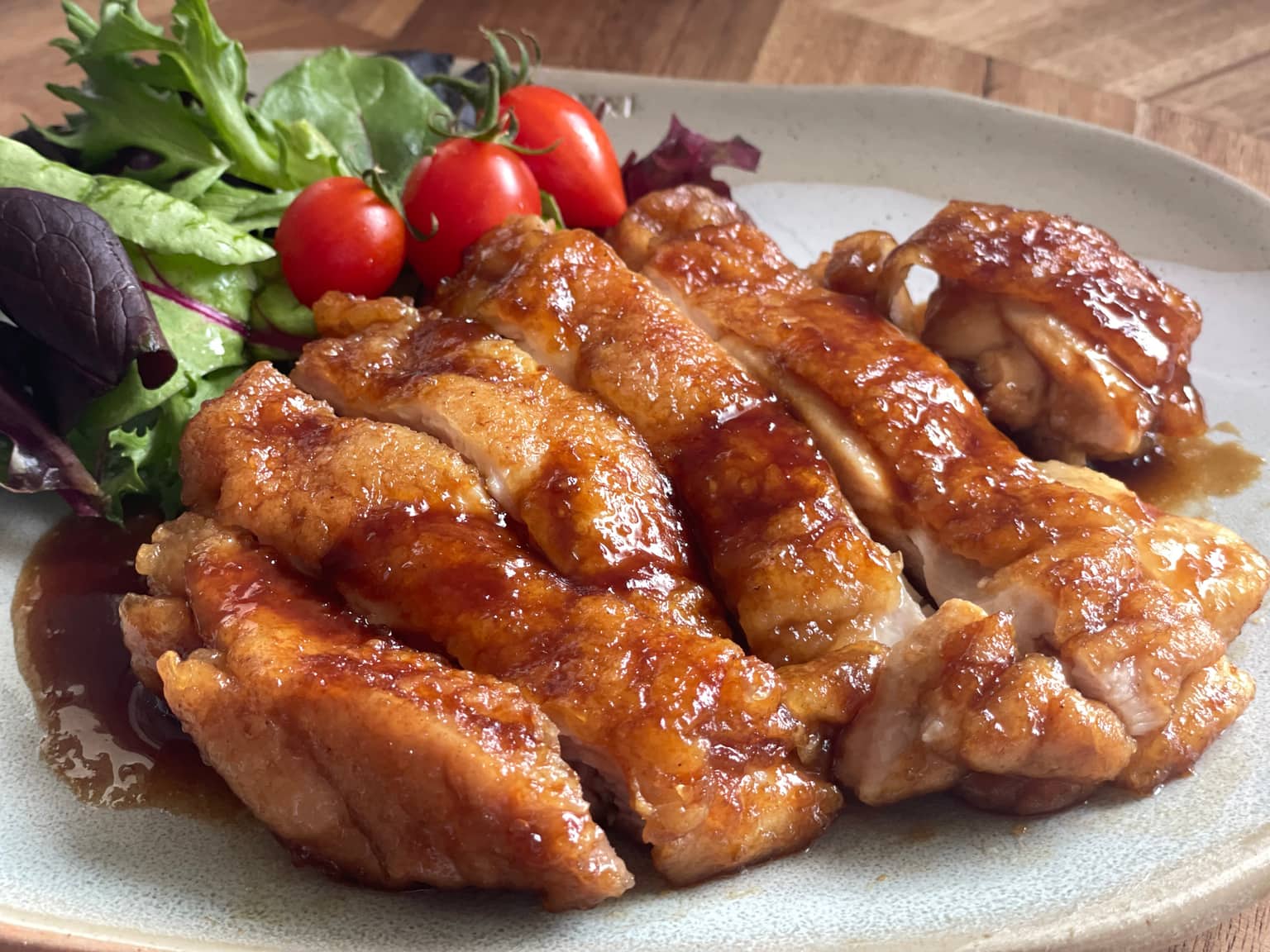
Teriyaki Chicken
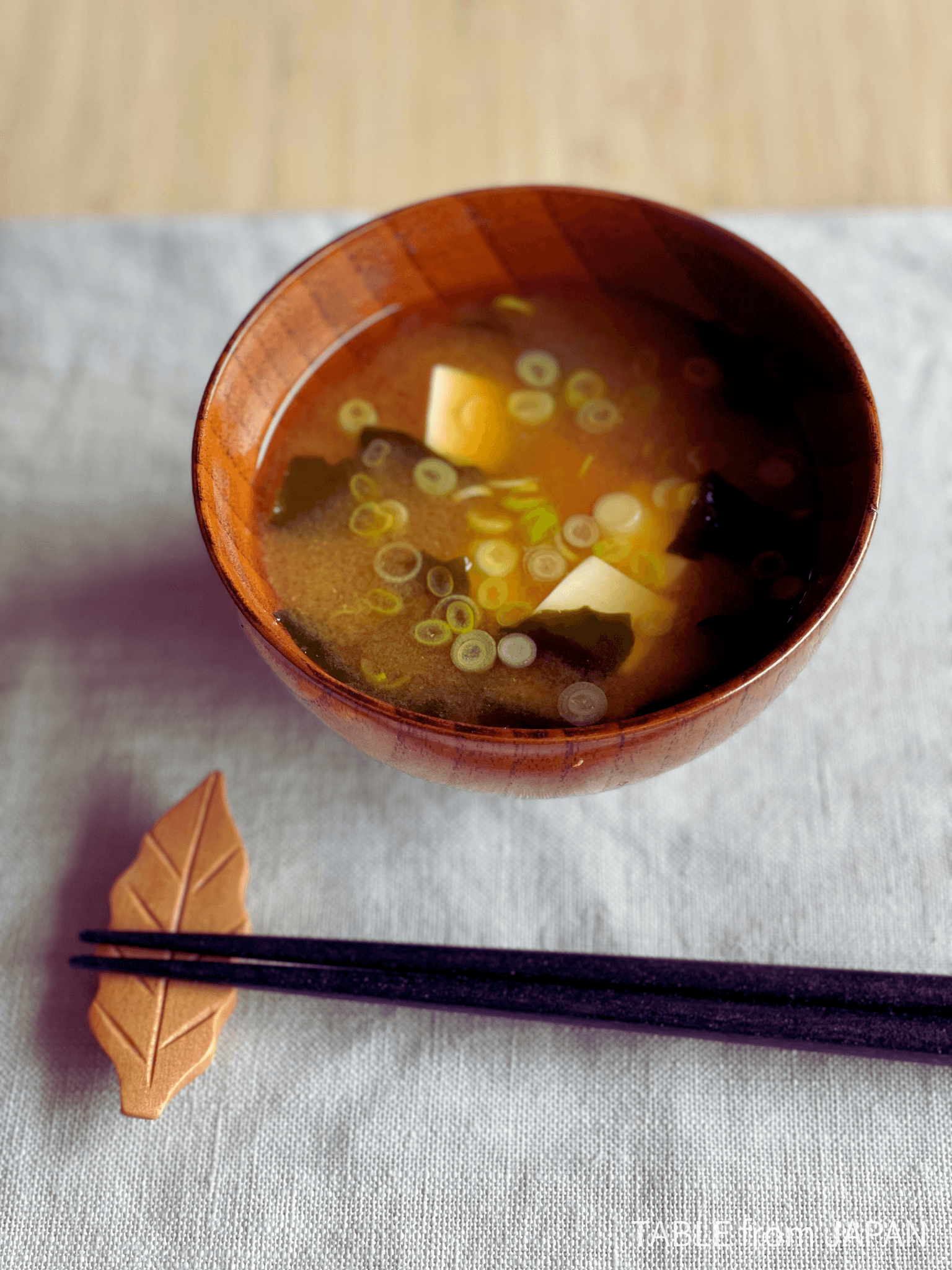
Miso Soup
If you cook Japanese rice often, you may also find my rice cooker guide helpful.