

Disclosure: This post may contain affiliate links. If you purchase through these links, I may earn a small commission at no extra cost to you.
Thank you for supporting Table from Japan.
When many people think of Japanese cooking, soy sauce is one of the first flavours that comes to mind.
Walk through the Asian food aisle at an Australian supermarket or grocery store, however, and you may find several bottles simply labelled soy sauce. They can look quite similar, so it is not always obvious which one will work best in a Japanese recipe.
Soy sauce is one of the first ingredients I recommend buying when you begin cooking Japanese food at home. It seasons rice bowls, soups, marinades, simmered dishes and dipping sauces. You do not need several varieties to begin. One Japanese all-purpose soy sauce will cover most everyday cooking.
Japanese soy sauce, or shoyu, is a fermented seasoning traditionally made from soybeans, wheat, salt and water. It brings saltiness, aroma and savoury depth to food. In Japanese home cooking, it is often used together with mirin, cooking sake, dashi or sugar rather than as a strong flavour on its own.
Many everyday Japanese soy sauces, particularly koikuchi shoyu, are traditionally brewed with both soybeans and wheat. The wheat contributes to their distinctive aroma, while fermentation creates a rounded balance of saltiness, gentle sweetness and savoury depth familiar in Japanese cooking.
Soy sauces from other food traditions may use different ingredients, brewing methods and flavour profiles. Chinese light and dark soy sauces, for example, are made for different styles of cooking and are not direct equivalents to Japanese koikuchi. Using one may give the finished dish a different balance of saltiness, colour and flavour. For Japanese recipes, a Japanese-style soy sauce will usually bring you closer to the flavour the recipe intends.
For your first bottle, look for a regular Japanese soy sauce labelled koikuchi shoyu, naturally brewed soy sauce or simply Japanese soy sauce. Koikuchi is the standard dark-coloured, all-purpose style used in many Japanese homes.
I recommend Kikkoman soy sauce as a familiar all-purpose Japanese soy sauce that works across the recipes I cook most often. The smaller 150 ml bottle is a practical option if you do not use soy sauce every day.
| Label you may see | What it means | A good first bottle? |
|---|---|---|
| Soy Sauce or Naturally Brewed Soy Sauce | The regular bottles commonly sold by Japanese brands such as Kikkoman and Yamasa are usually koikuchi soy sauce. | Yes. This is the most useful all-purpose choice for everyday Japanese cooking. |
| Less Salt or Reduced Salt | A lower-salt version of regular soy sauce. This is different from usukuchi, which means light in colour rather than low in salt. | Choose this if it suits your household, keeping in mind that recipes may need slight adjustment. |
| Gluten Free | A soy sauce made without gluten-containing ingredients. Check the label carefully if you need to avoid gluten. | Yes, when a gluten-free option is needed. |
| Tamari | A darker, soy-forward style that is often made with little or no wheat, although not every tamari is certified gluten-free. Its rich flavour works well as a dipping sauce for sashimi, or in marinades and glossy sauces. | Useful for its fuller flavour or when the specific product is suitable for your dietary needs. |
Usukuchi is a light-coloured Japanese soy sauce used when cooks want to preserve the natural colours of ingredients and let dashi stand out, especially in clear soups and simmered dishes. Despite its pale colour, it is usually saltier than regular koikuchi. It is less common in Australian supermarkets, but you may find it at Japanese grocery stores; it is not the same as reduced-salt soy sauce.
One everyday bottle can be used to season donburi such as oyakodon and gyudon, make teriyaki sauce, add depth to soups and simmered dishes, marinate chicken for karaage, or prepare simple sides such as Japanese soy-marinated cucumbers.
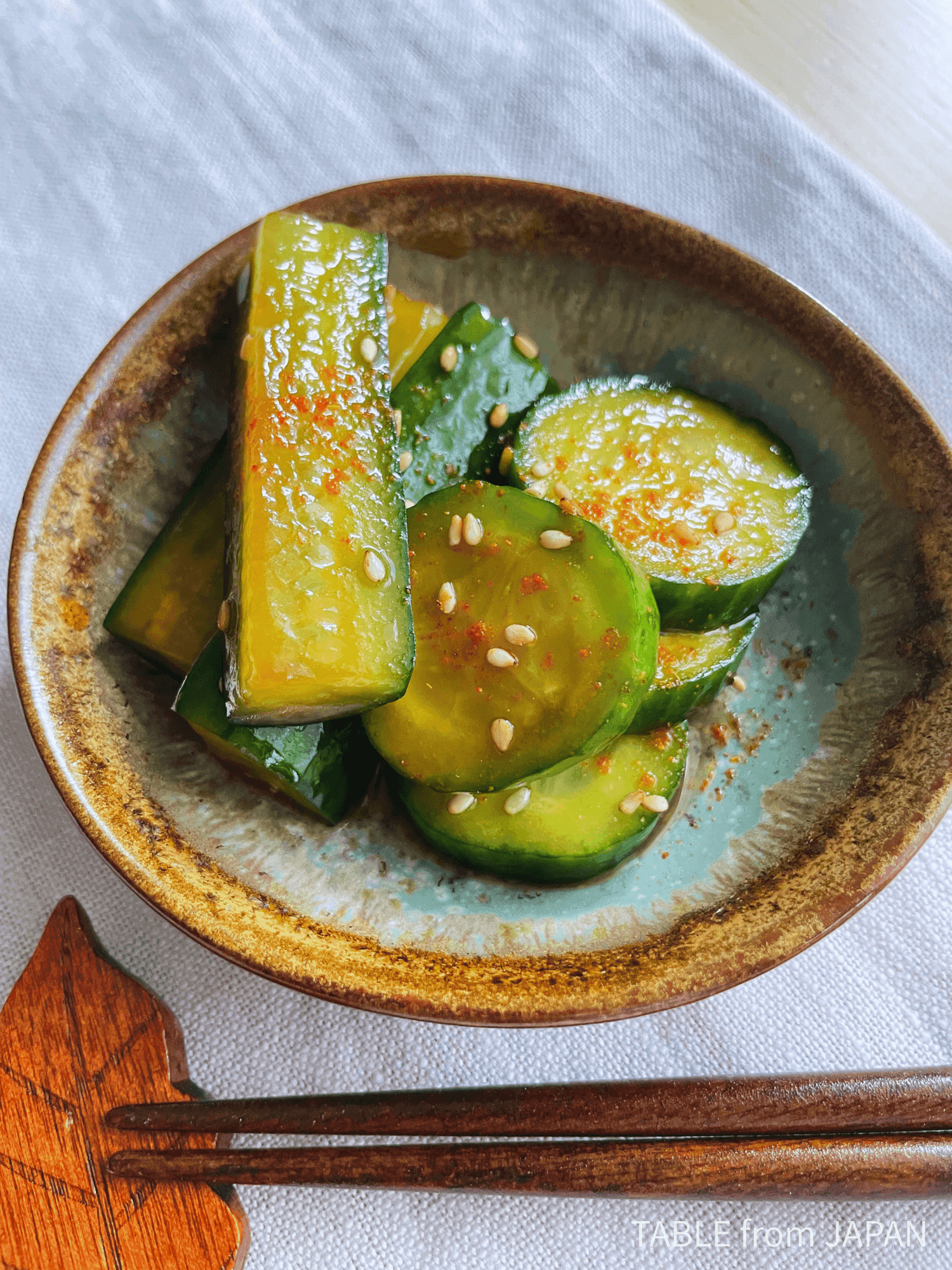
Japanese Soy-Marinated Cucumbers
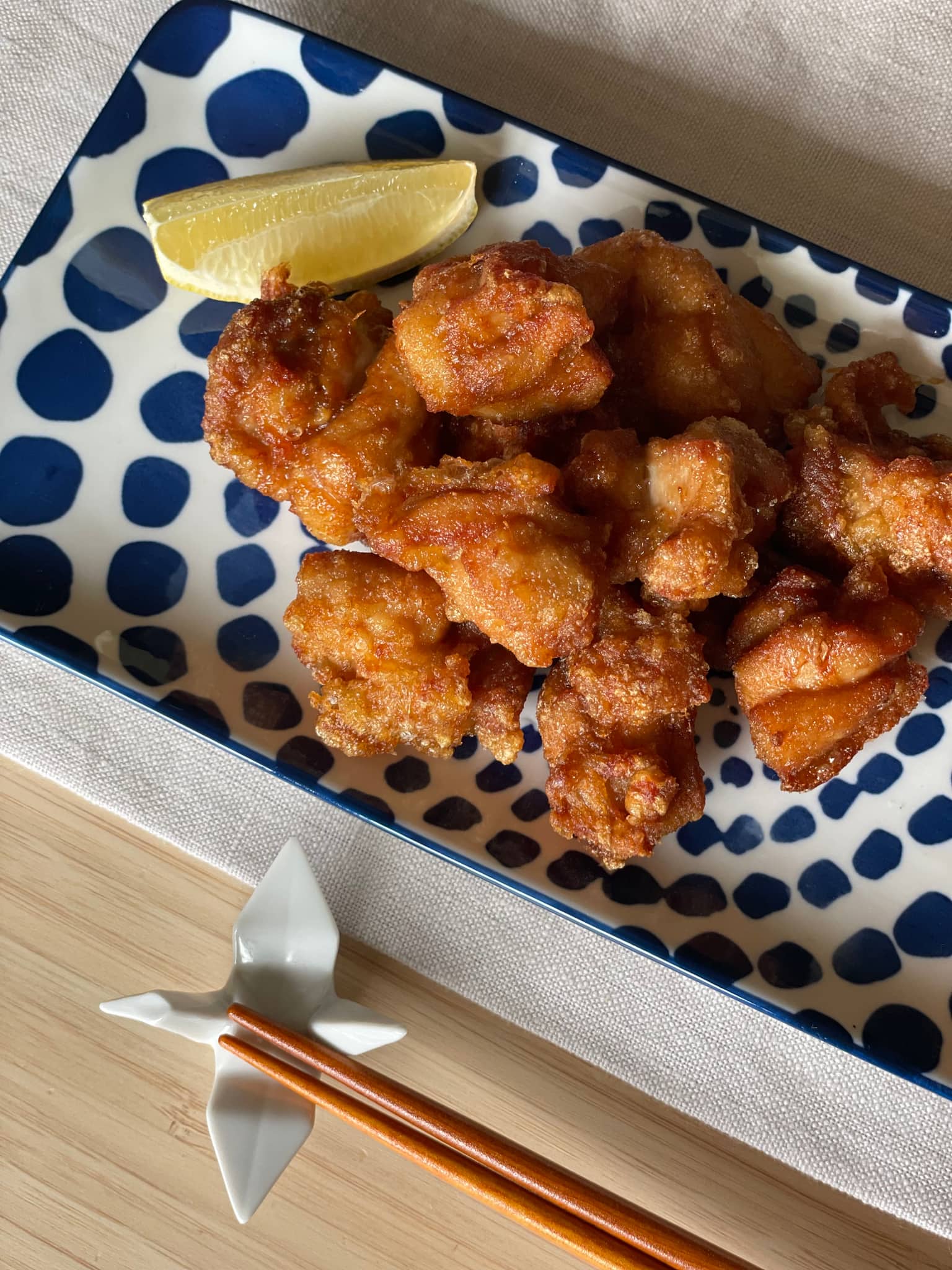
Japanese Fried Chicken Karaage
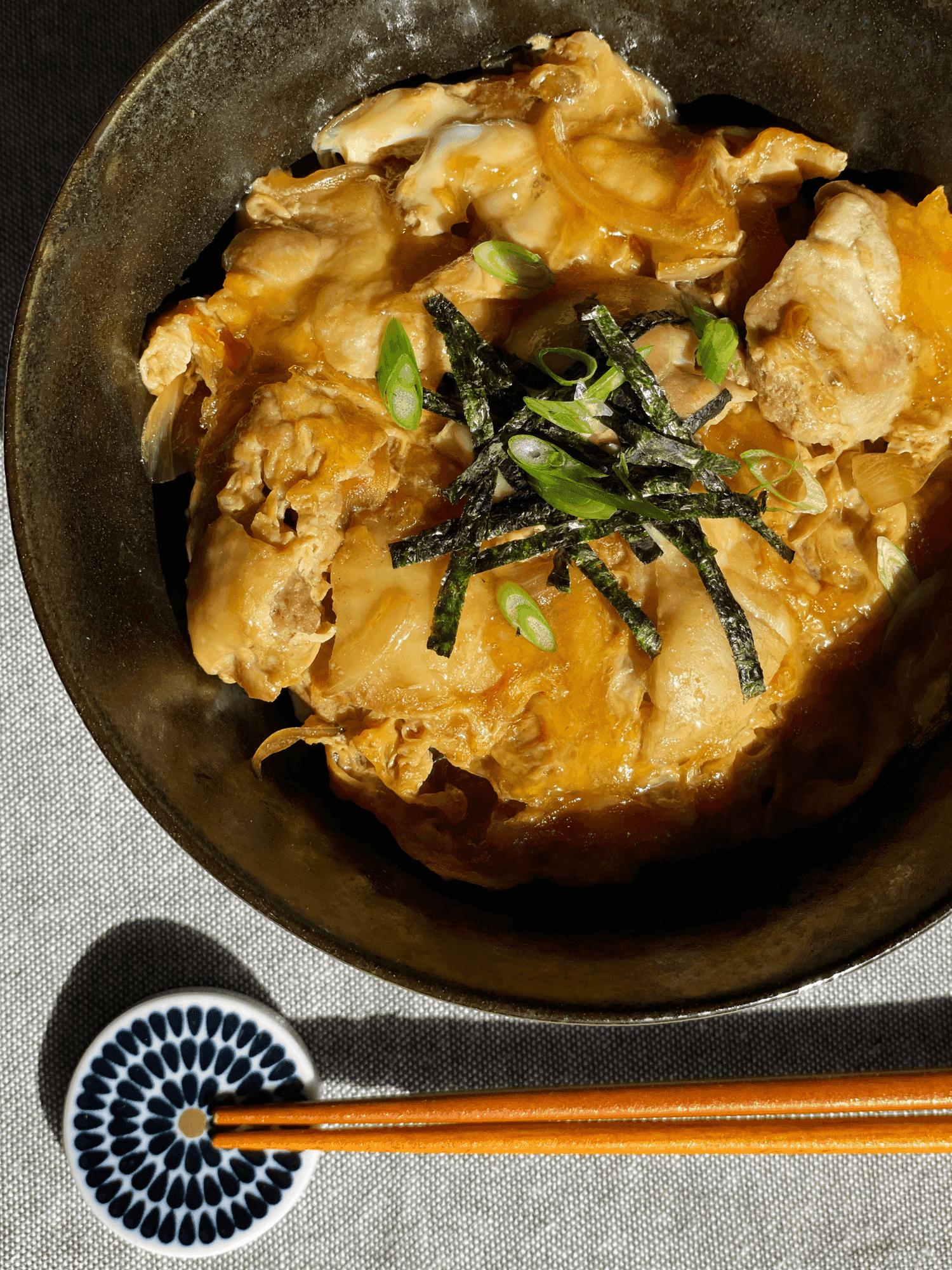
Oyakodon
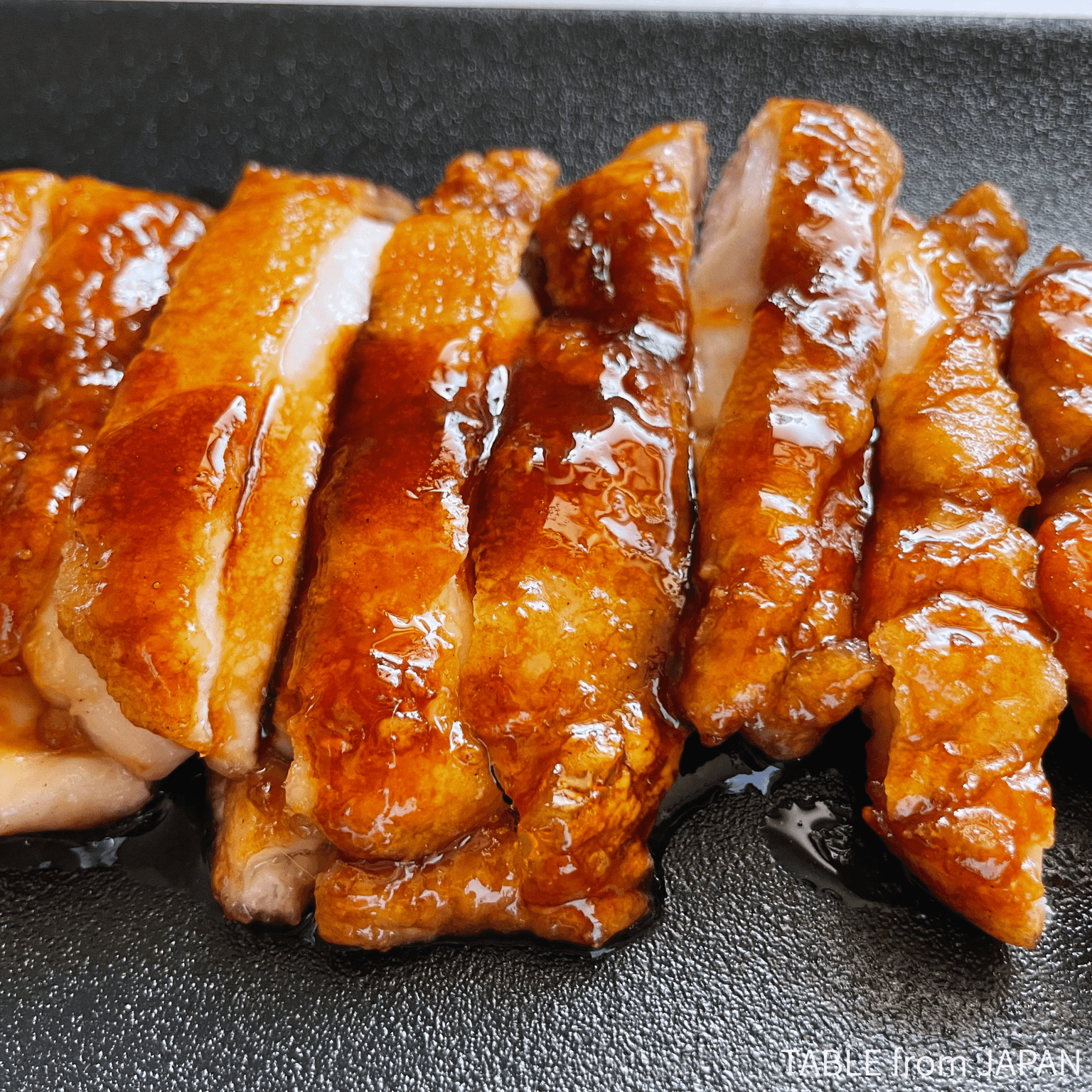
Teriyaki Chicken
Once you have one everyday Japanese soy sauce in your kitchen, you will find yourself reaching for it in many simple home-cooked dishes.
How should I store soy sauce after opening?
Keep opened soy sauce in the fridge and try to use it within about one month for the best flavour. Store unopened bottles in a cool, dry place away from direct sunlight.
Can I substitute tamari for soy sauce?
Yes, tamari can usually replace Japanese soy sauce in the same amount. It may give the dish a slightly richer, more soy-forward flavour. If you need to avoid gluten, check that the bottle is specifically labelled gluten-free.
Is tamari always gluten-free?
No. Some tamari products contain little or no wheat, but recipes and manufacturing practices vary. Check the ingredient list and gluten-free statement on the specific bottle.
Japanese soy sauce is available from many Asian grocers, Japanese grocery stores and some Australian supermarkets. Find Japanese grocery shops near you.
You can also see the Japanese soy sauces I use and recommend in my Pantry Picks.