
Dashi is the light savoury stock behind many Japanese soups, noodle broths and simmered dishes. It gives food a gentle umami base, but it does not need to be complicated.
This guide explains the main types of dashi and the simple dashi-pack method I recommend for getting started with Japanese home cooking.
Dashi is Japanese soup stock. It is commonly made from ingredients such as kombu (dried kelp), bonito flakes, dried sardines or dried shiitake mushrooms.
Unlike many Western-style stocks, dashi usually does not need hours of simmering. Flavour is drawn from dried ingredients by soaking or briefly heating them, creating a stock that is clear, light and full of umami.
For a first Japanese pantry, I recommend dashi packs. The ingredients are enclosed like a tea bag, so you simply simmer one in water and remove it when the stock is ready. I use dashi packs for most of my everyday cooking at home. Some are pre-seasoned, so check the packet before adding extra salt or soy sauce.
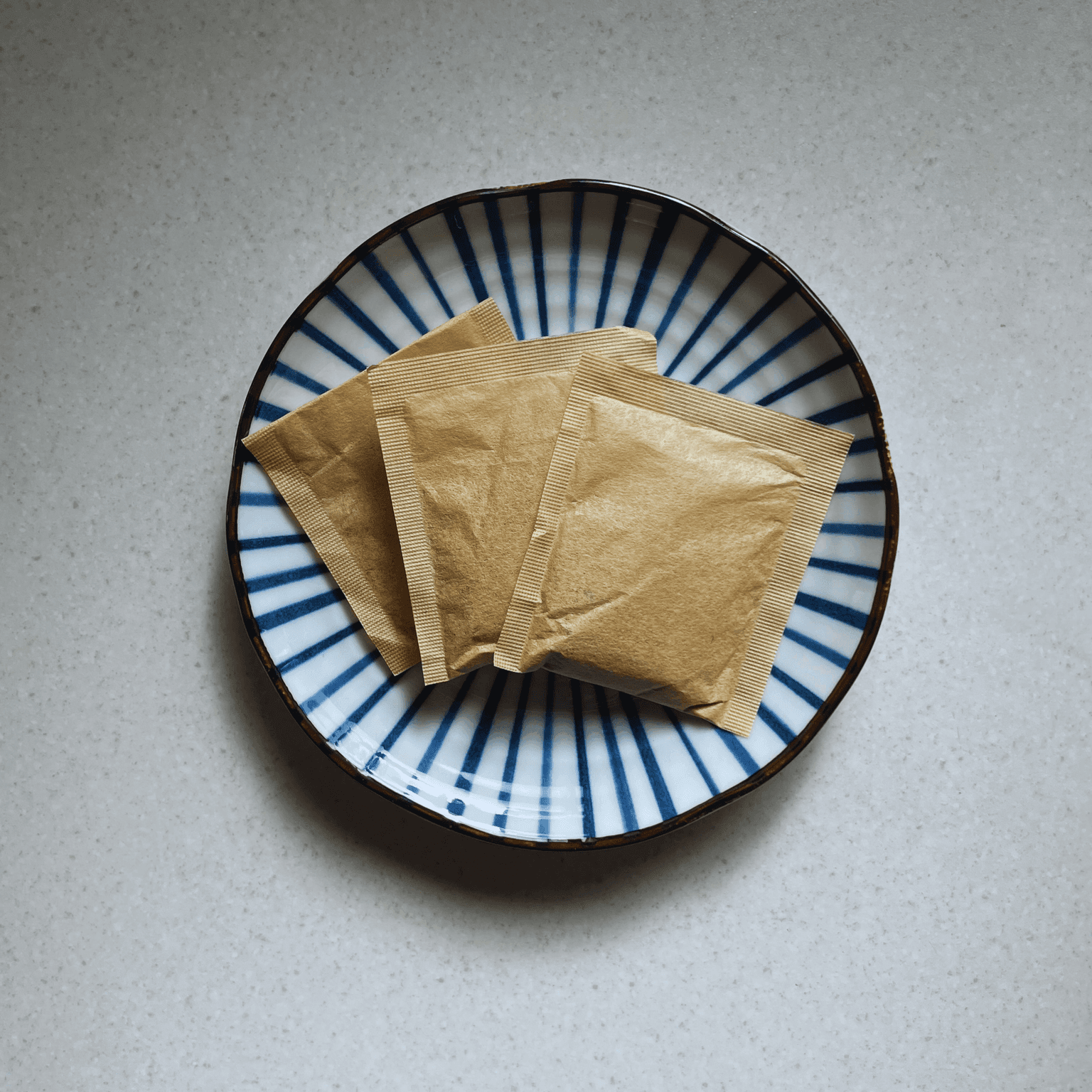
Helpful pantry pick
Kombu Dashi
Kombu dashi is made from dried kelp. It has a clean, gentle umami flavour and is useful for plant-based Japanese cooking.
Katsuo Dashi
Katsuo dashi is made from bonito flakes. Its clear savoury flavour and distinctive aroma make it useful across many everyday Japanese dishes.
Awase Dashi
Awase dashi usually combines kombu and bonito flakes. Together they create a fuller umami flavour and a versatile stock for soups and simmered dishes.
You may also come across niboshi dashi, made from dried sardines, which has a fuller, more savoury flavour, and shiitake dashi, made from dried mushrooms, which has an earthy aroma and rich umami. Ago dashi is made from dried or grilled flying fish and is known for its fragrant, refined flavour. It is also used in some ramen broths.
Instant dashi powder dissolves directly in water and is the quickest option. Ingredients and salt levels vary, so the amount needed can differ between products.
Mentsuyu and shiro dashi are liquid seasonings usually sold in bottles at Japanese and Asian grocery stores. Both contain dashi flavour, but they are already seasoned with ingredients such as soy sauce, salt and sweetness. They are useful shortcuts for noodles and everyday dishes, but they are not the same as plain dashi stock.
Once you have dashi, you can use it as the base for miso soup, rice bowls, noodle broths and many simmered dishes.
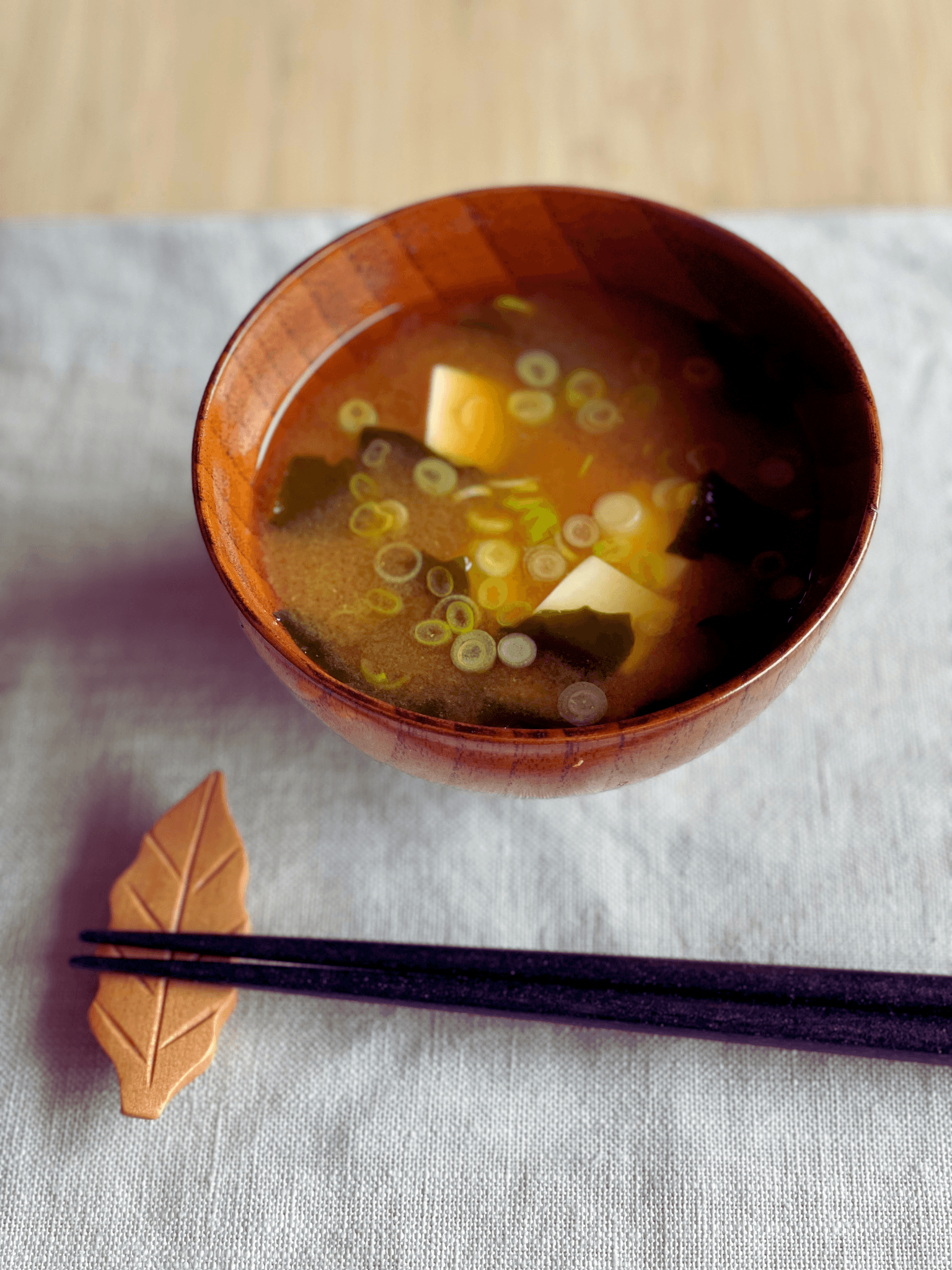
Tofu and Wakame Miso Soup
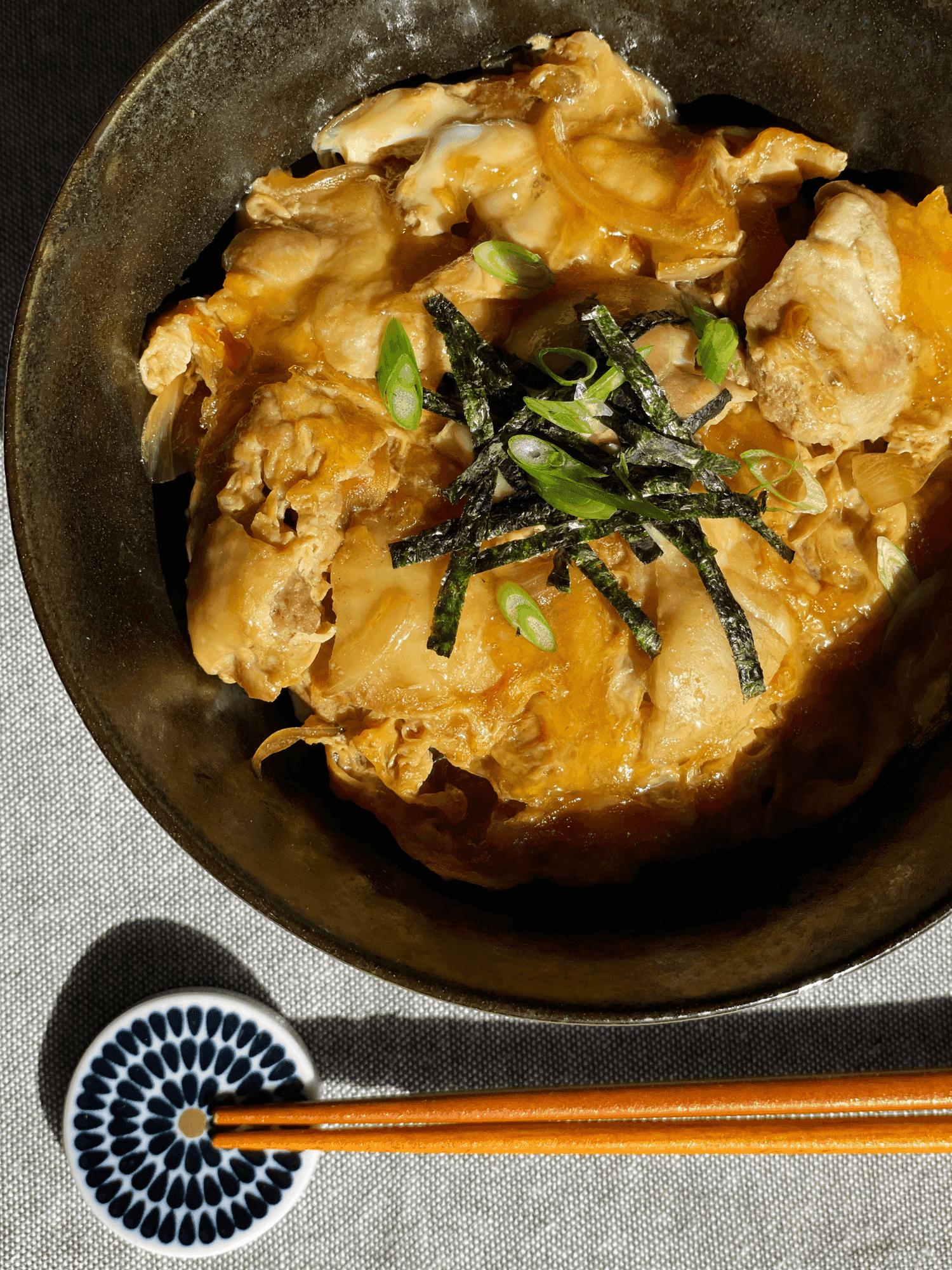
Oyakodon
Begin with one dashi pack and one familiar dish. As you cook with it more often, you will start to notice the quiet savoury flavour it adds in the background.
For many Japanese people, dashi is a flavour that feels comforting and familiar. For me, it is one of the tastes that feels most like home, and it is something I always come back to in my own cooking.
— Tomoka
Is dashi always made with fish?
No. Kombu dashi and dried shiitake dashi can be made without fish. Check packaged dashi carefully, as many dashi packs and powders contain bonito or other fish.
Can I use instant dashi instead of a dashi pack?
Yes. Both are practical for everyday cooking. Follow the amount suggested for your product, as the strength and salt content can vary.
Are mentsuyu and shiro dashi the same as dashi?
No. Both are seasoned concentrates that contain dashi flavour. They can be convenient, but they also add salt, soy sauce or sweetness to a dish.
Dashi packs, instant dashi, kombu and bonito flakes are available from many Japanese and Asian grocery stores. Find Japanese grocery shops near you.