
You do not need a huge Japanese pantry or a kitchen full of special tools to start cooking Japanese food at home. I always think it is better to begin with a few ingredients you will actually use often, then slowly add the things that make cooking easier or more enjoyable.
This page is a simple place for me to collect the Japanese pantry items and kitchen tools I use in Australia. Some are everyday basics, and some are small things that make cooking feel easier or closer to home.
Some links on this page may be affiliate links. If you buy through them, I may earn a small commission at no extra cost to you. I only include things I genuinely find useful for Japanese home cooking.
If you are just starting, I would focus on the ingredients that appear again and again in Japanese home cooking: soy sauce, mirin, cooking sake, miso, dashi and Japanese rice. With these, you can already make many simple dishes.
- Japanese soy sauce: the base of many sauces, simmered dishes, marinades and everyday seasoning.
- Mirin: adds gentle sweetness and gloss to dishes like teriyaki, and appears in many Japanese recipes.
- Cooking sake: helps soften flavour and is often used in simmered dishes, marinades and sauces.
- Miso: essential for miso soup, sauces and simple miso-based dishes.
- Dashi packs: helpful when you want an easy Japanese soup base.
- Japanese rice: an essential part of everyday Japanese meals.
Browse My Pantry Picks
Once the basics are covered, these are the ingredients that make Japanese home cooking easier and more flexible. You do not need all of them at once, but they are lovely to have when you cook often.
- Japanese rice vinegar: useful for sushi rice and dressings, and for adding gentle acidity.
- Sesame seeds: handy for sesame dressing, vegetables and small side dishes.
- Wakame: easy to keep in the pantry and perfect for miso soup.
- Japanese curry roux: an easy way to make a cosy Japanese curry at home.
- Katakuriko (potato starch): useful for karaage, thickening sauces and giving fried foods a crisp coating.
These tools are not essential, but they can make everyday Japanese cooking feel smoother. You can add them slowly as you notice what you cook most often.
- Standing rice paddle: useful for serving rice without needing a spoon rest or small plate.
- Japanese rice storage container: helpful for keeping rice tidy, fresh and protected from pantry pests.
- Miso strainer: useful for dissolving miso smoothly into soup.
- Japanese frying tray: useful for resting fried foods like karaage, tempura or katsu so they stay crisp.
- Donabe: lovely for cooking Japanese rice when you want something cosy and a little special.
- Tamagoyaki pan: helpful if you make tamagoyaki often and want a neater shape.
- Suribachi or small mortar: useful for grinding sesame seeds or making small seasonings like matcha salt.
- Cooking chopsticks: handy for turning, mixing and small everyday cooking jobs.
Browse My Tools Picks
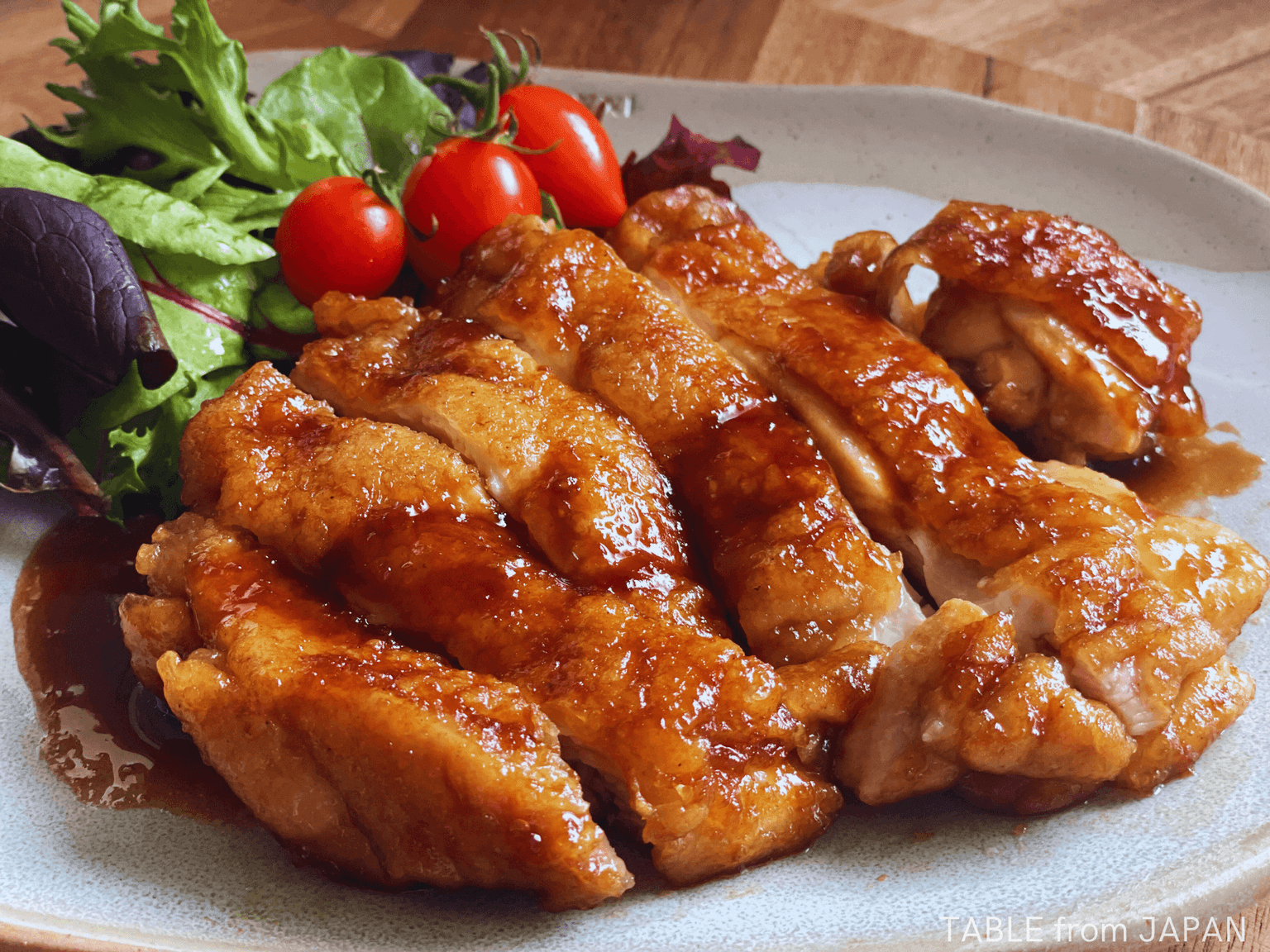
Teriyaki Chicken
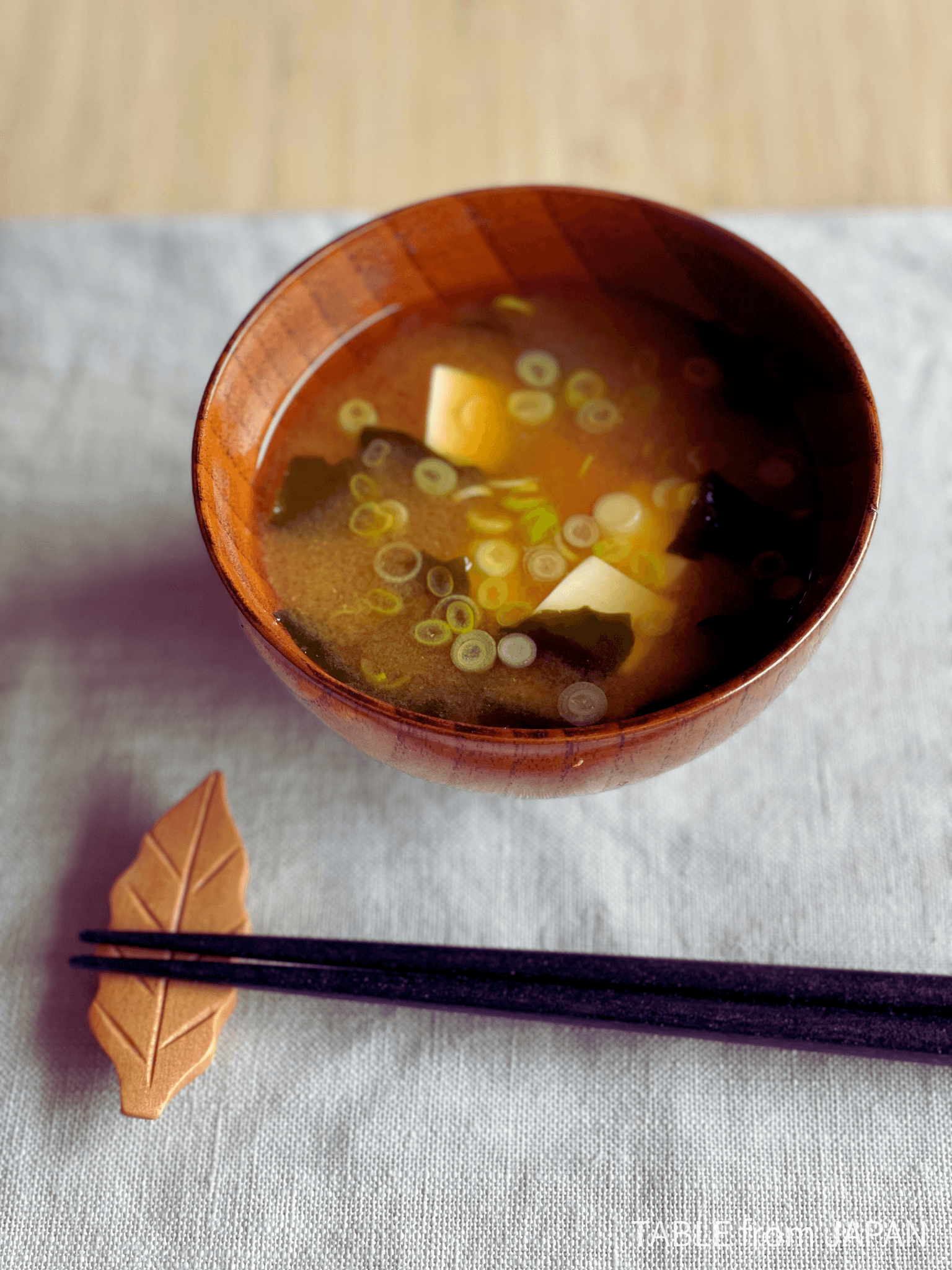
Miso Soup
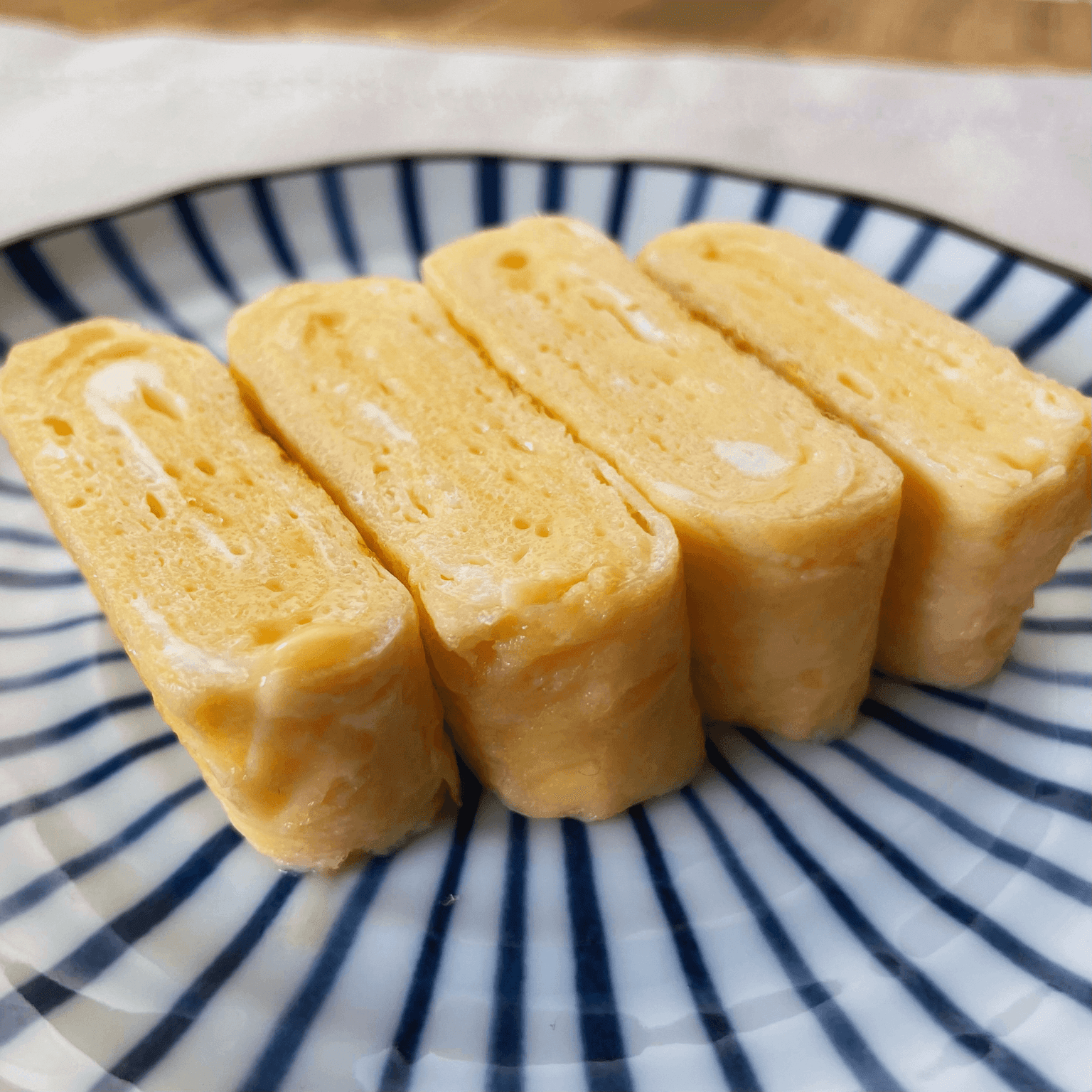
Tamagoyaki
Once you have a few useful basics in your kitchen, Japanese home cooking starts to feel much easier and more familiar.
- Tomoka