
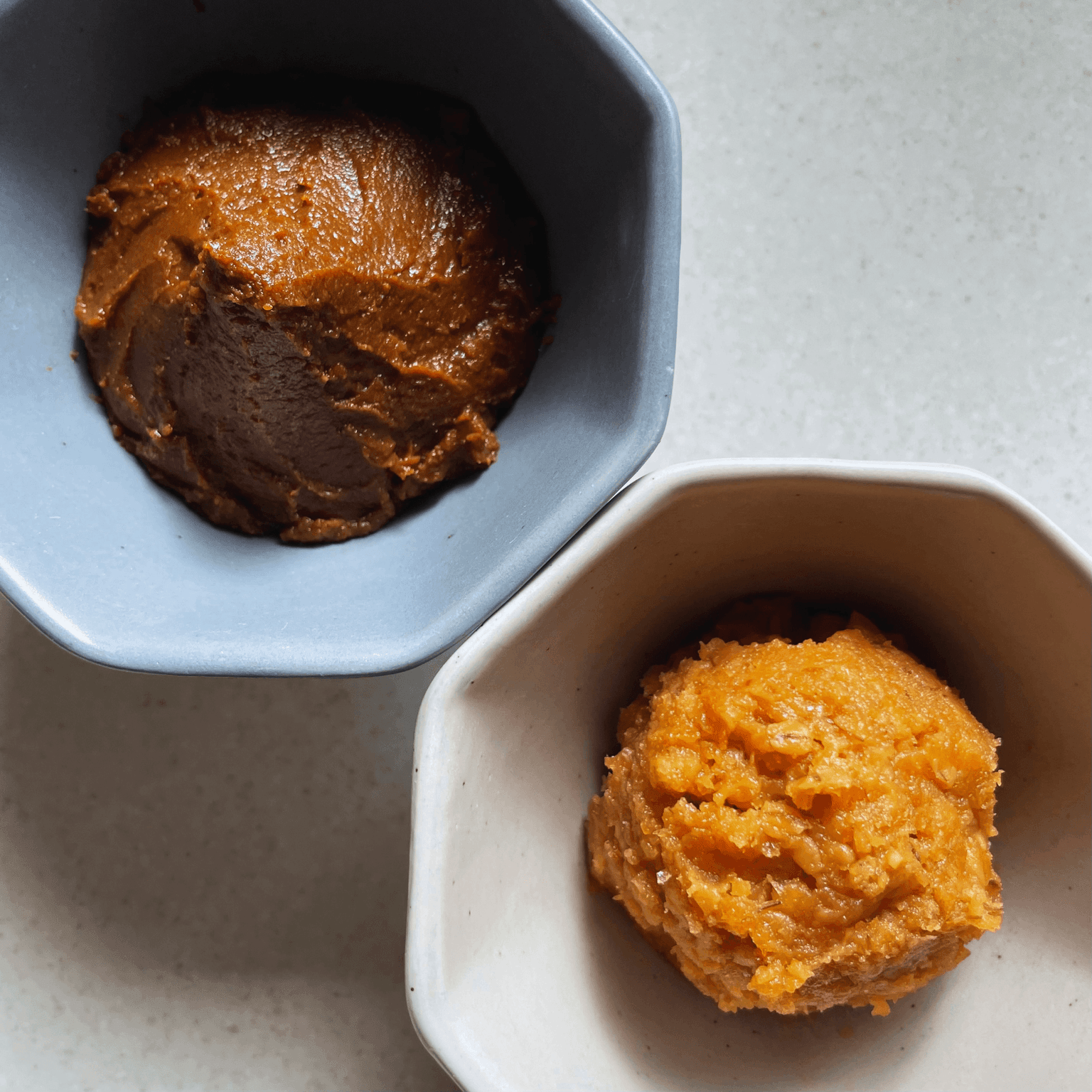
Miso is one of the Japanese ingredients I never want to run out of at home. Many people first know it through miso soup, but it is also useful in marinades, sauces, dressings and glazes.
This guide explains what miso is, how the common types differ and which one is easiest to begin with for everyday Japanese cooking.
Miso is a fermented Japanese seasoning usually made from soybeans, koji, salt and water. Koji helps break down proteins and starches as the miso ages, creating its savoury flavour and umami.
The ingredients, length of fermentation and region where it is made can all affect its colour and flavour. Miso may taste mild and slightly sweet, balanced and savoury, or deep and salty.
For a first tub, I recommend a mild white or light-coloured miso. Both are easy to use in miso soup, sauces, marinades and simple everyday dishes. Awase miso is another good all-purpose choice if you prefer a slightly fuller flavour.
Helpful pantry picks
White Miso (Shiro Miso)
White miso is generally mild and slightly sweet. It works well in lighter miso soups, dressings and marinades for fish or chicken.
Red Miso (Aka Miso)
Red miso has a deeper, stronger flavour and is often saltier. It is useful for hearty soups, braised dishes and richer sauces.
Mixed Miso (Awase Miso)
Awase miso blends two or more types of miso. Its rounded flavour makes it a practical all-purpose choice for everyday cooking.
You may also see labels such as kome miso, mugi miso and mame miso. These refer to the type of koji used: rice, barley or soybean. If you are just beginning, you do not need to learn every regional variety before choosing your first tub.
Miso can season soup, glaze fish, add depth to a sauce or bring savoury flavour to grilled rice. These are approachable ways to begin using it at home.
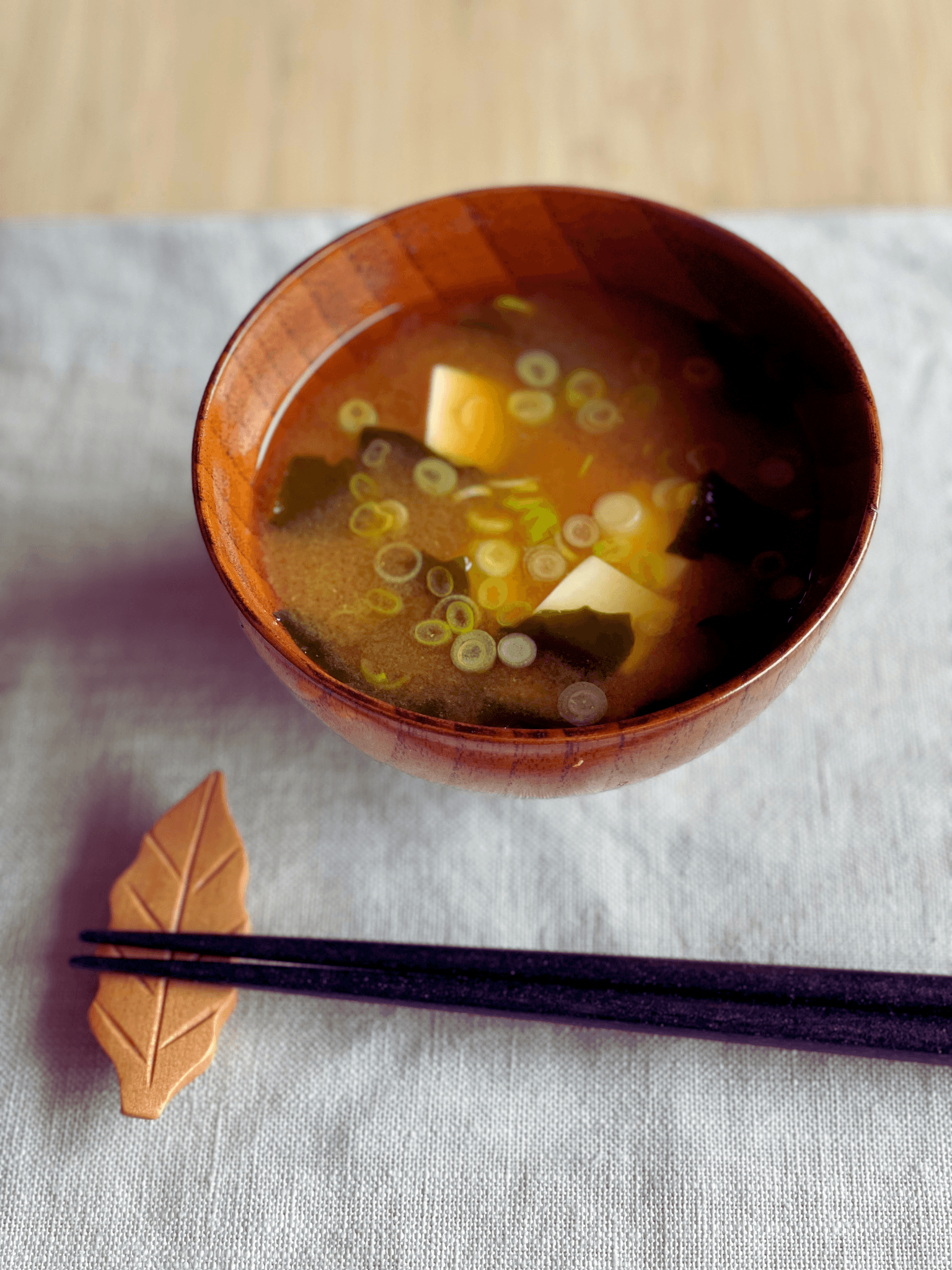
Tofu and Wakame Miso Soup
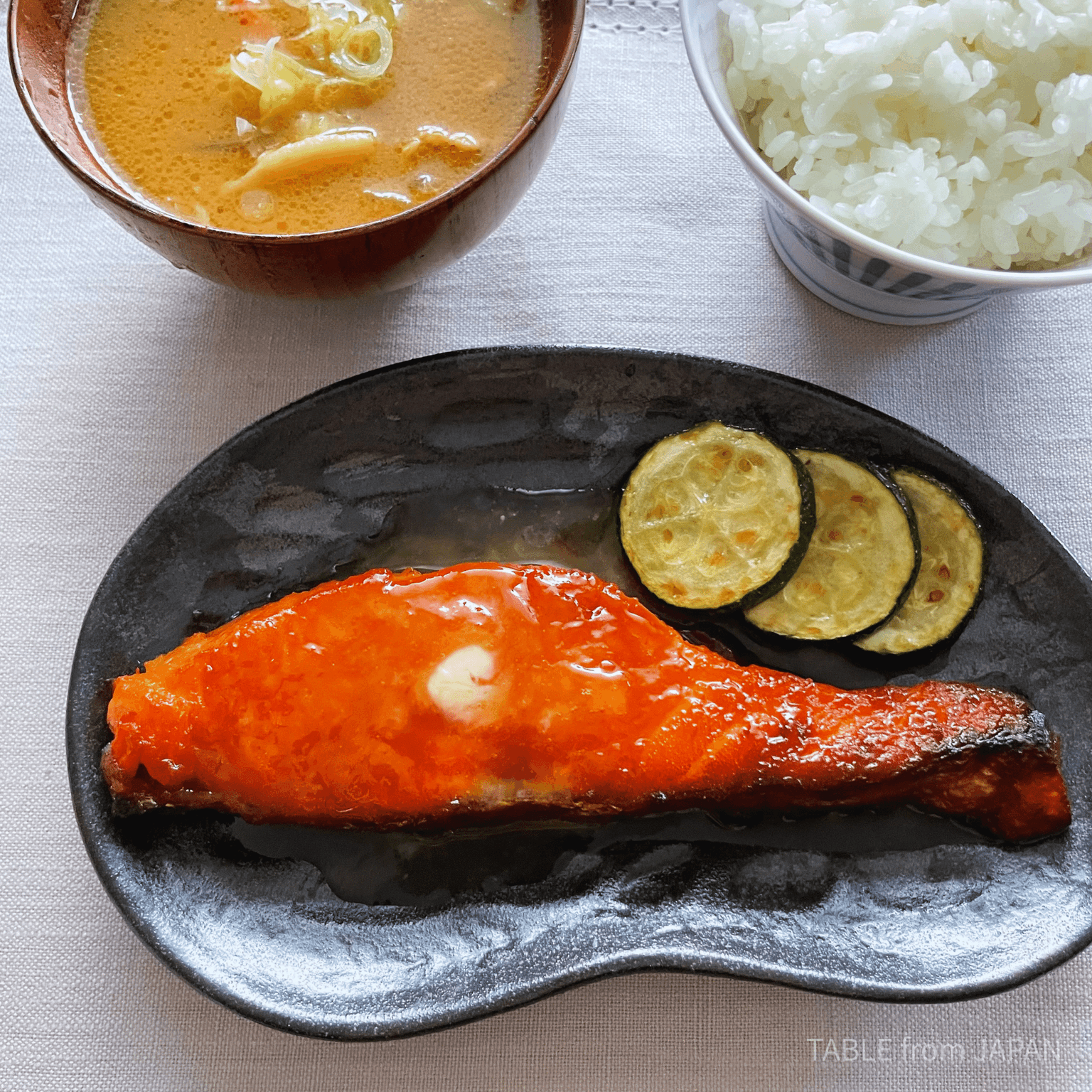
Miso Salmon
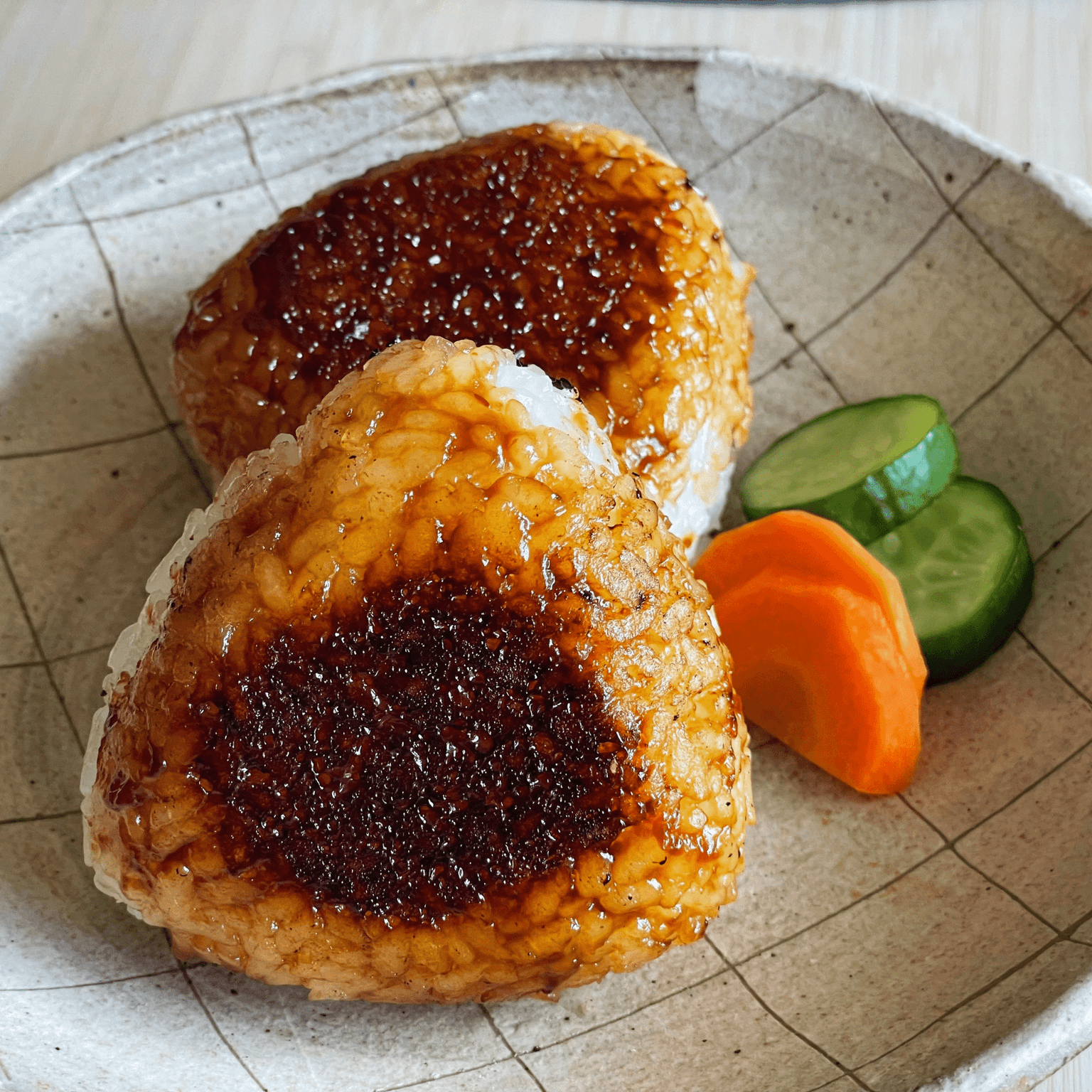
Miso Yaki Onigiri
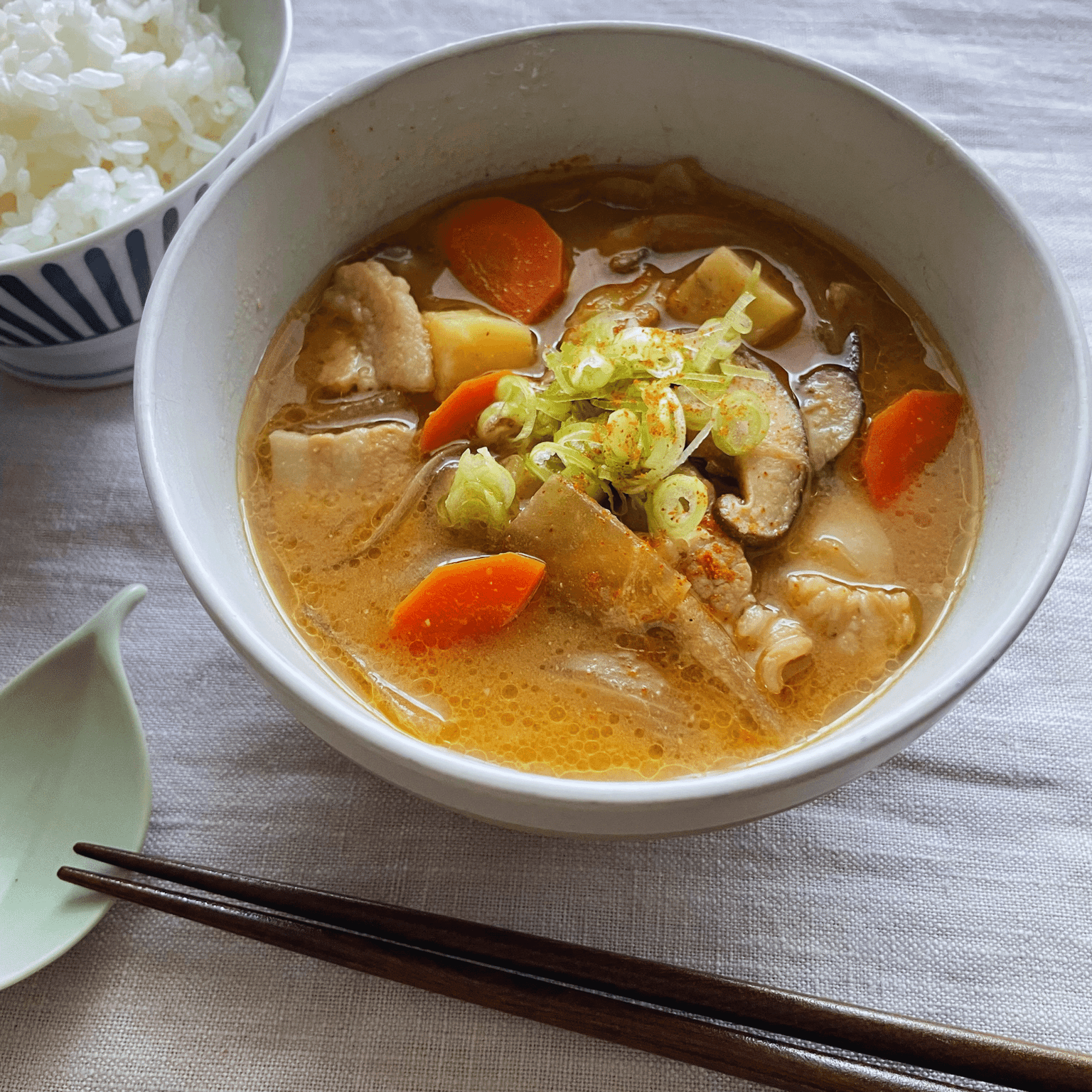
Tonjiru (Pork Miso Soup)
Once you have miso in your fridge, you will find many small ways to use it across everyday meals.
— Tomoka
Should I boil miso soup?
Try not to boil the soup after adding miso. Stir it in after lowering or turning off the heat to help preserve its aroma and delicate flavour.
How should I store miso after opening?
Keep opened miso covered in the fridge. Use a clean spoon when taking miso from the container.
Can I use a different type of miso in a recipe?
Usually, yes. The finished dish may taste milder, stronger or saltier, so begin with a little less and adjust if needed.
Miso is available from many Japanese and Asian grocery stores, local grocers and some Australian supermarkets. Find Japanese grocery shops near you.