
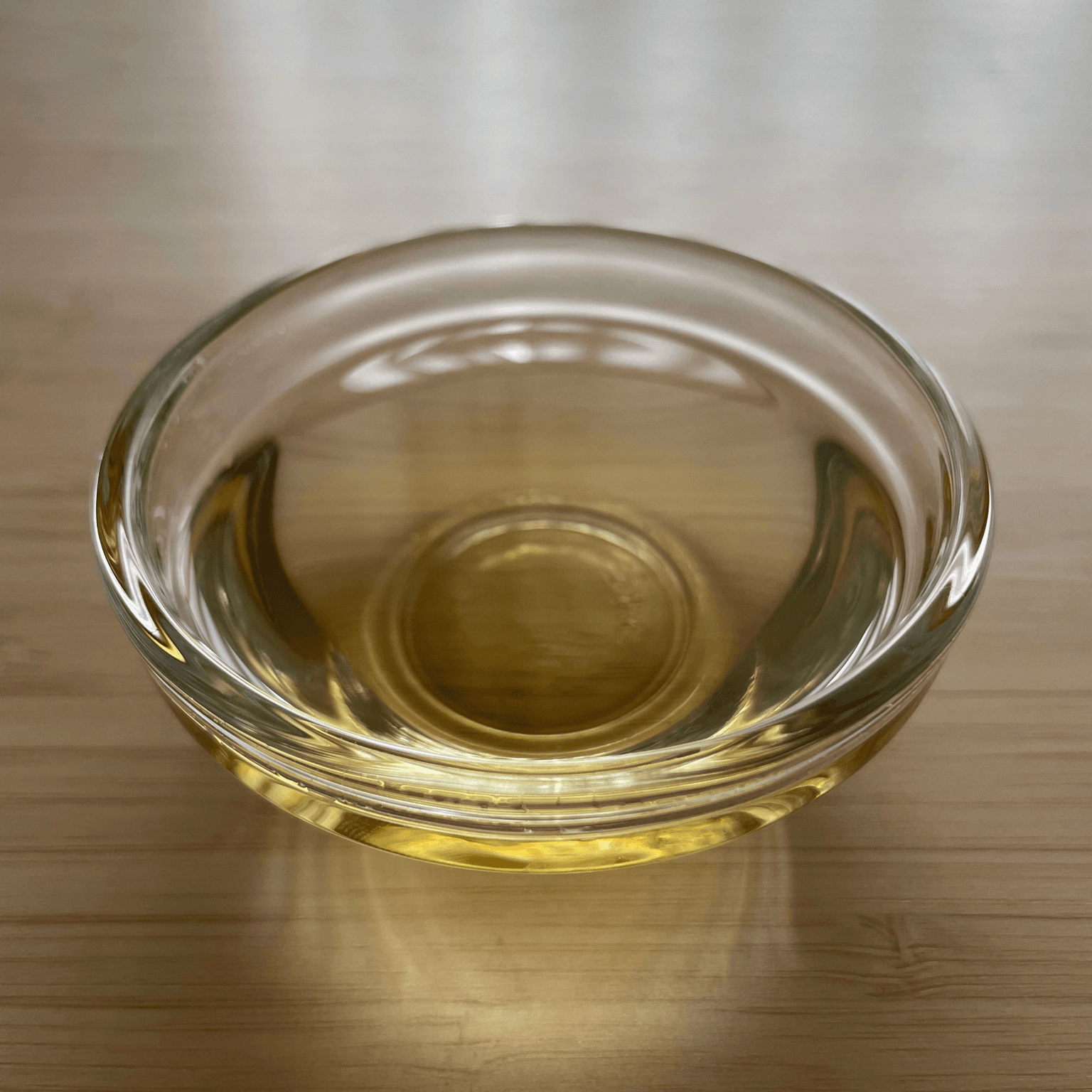
Mirin is one of those Japanese seasonings you will see again and again in everyday Japanese recipes.
If you have ever cooked Japanese recipes, you have probably seen mirin listed alongside soy sauce and sake. Once you understand what it does, Japanese home cooking becomes much easier to follow.
In this guide, I will explain what mirin is, what it does in Japanese cooking and how to begin using it at home.
Mirin is a sweet Japanese rice wine used for cooking. Traditional hon-mirin is made from glutinous rice, rice koji and shochu or alcohol, which gives it a gentle sweetness and a delicate fermented aroma.
Although mirin tastes sweet, it is not just a sweetener. It helps balance salty ingredients like soy sauce and gives sauces a smoother, more rounded flavour.
Mirin is useful in Japanese cooking because it does a few things at once:
- It adds a gentle sweetness that tastes softer than sugar.
- It balances salty flavours, especially when used with soy sauce.
- It adds depth because traditional mirin is fermented.
- It gives sauces a glossy finish. In Japanese, this shine is called teri, which is where teriyaki gets its name.
You will often see mirin used in teriyaki sauce, simmered dishes, noodle soup bases, marinades and simple Japanese home-style sauces.
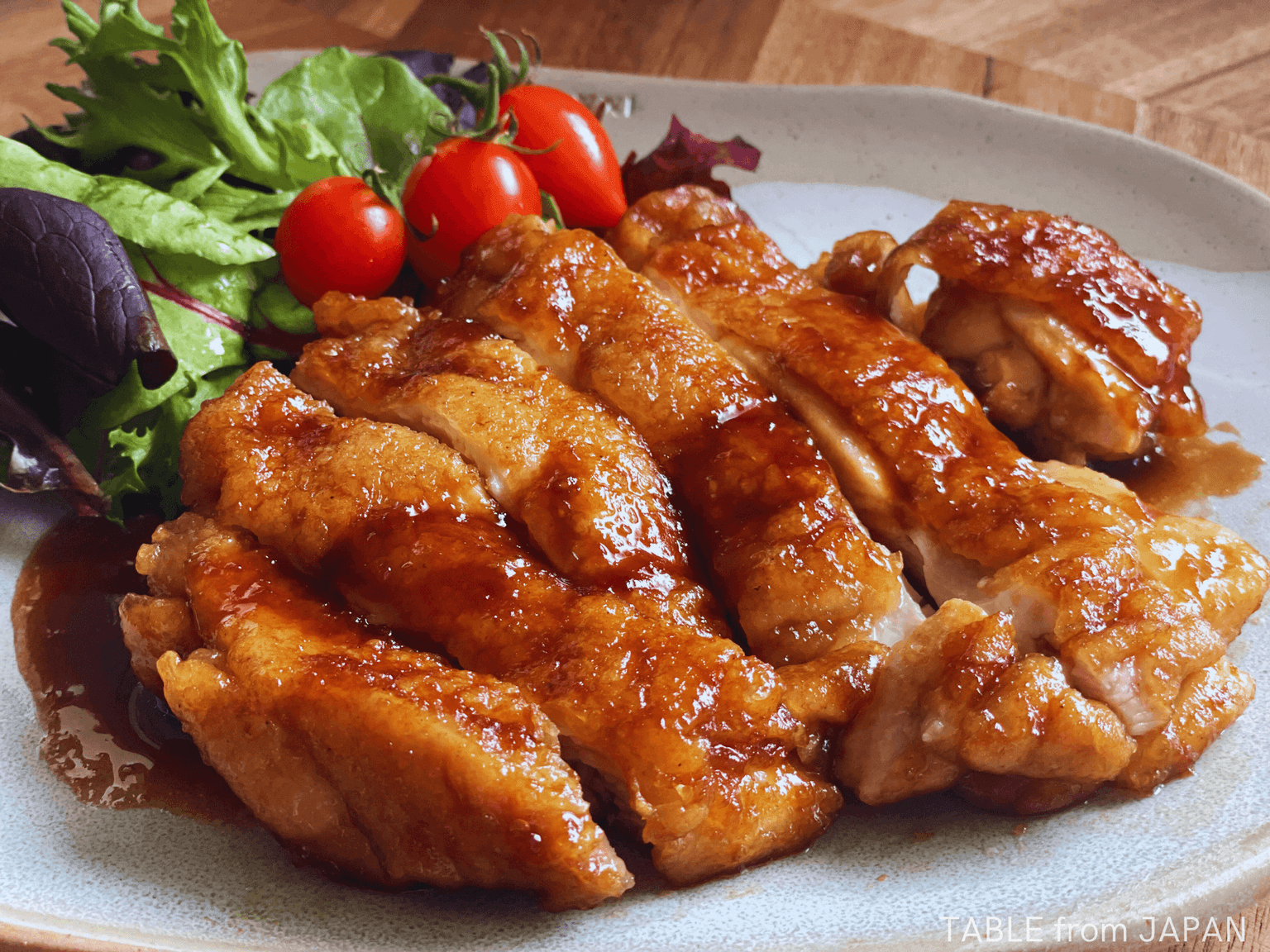
Teriyaki Chicken Recipe
In Australia, you may see traditional hon-mirin, low-alcohol mirin-style seasoning and brewed mirin-type seasonings. They can all be useful for home cooking, but their ingredients, alcohol content and storage instructions differ.
If you are just beginning, choose a bottle that is easy for you to find. For a closer look at the labels and which type may suit you, read Hon-Mirin vs Mirin-fu: Which Mirin Should You Buy in Australia?.
Helpful pantry pick
Mirin has become much easier to find in Australia. You can usually look in these places:
- Major supermarkets such as Coles, Woolworths or IGA, usually for mirin-style seasoning
- Japanese grocery stores, especially for hon mirin or brewed cooking mirin
- Local grocery stores, fruit and vegetable shops or Asian grocery stores
If you are looking for shops that carry Japanese pantry ingredients in Australia, this list may help.
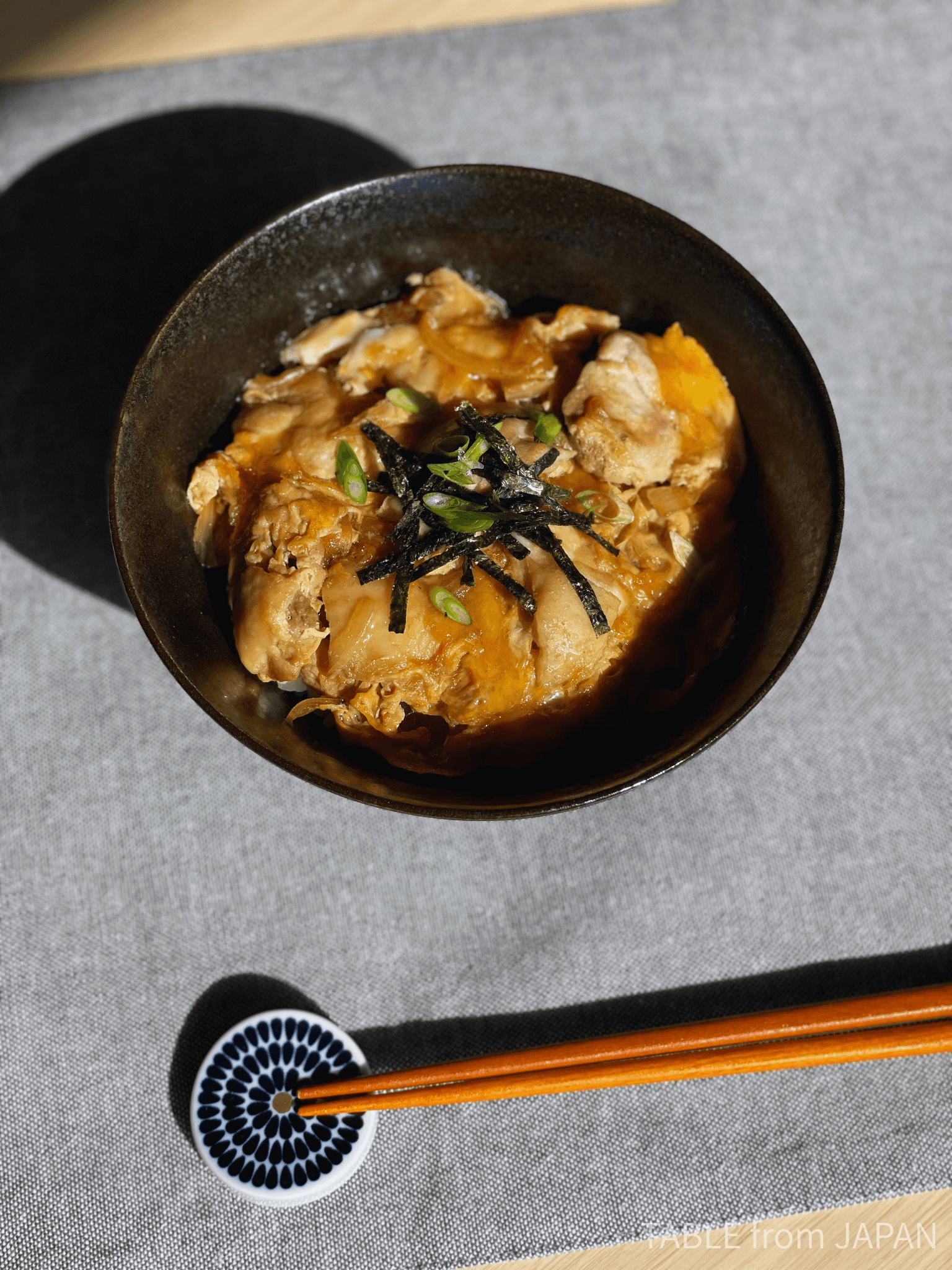
Oyakodon
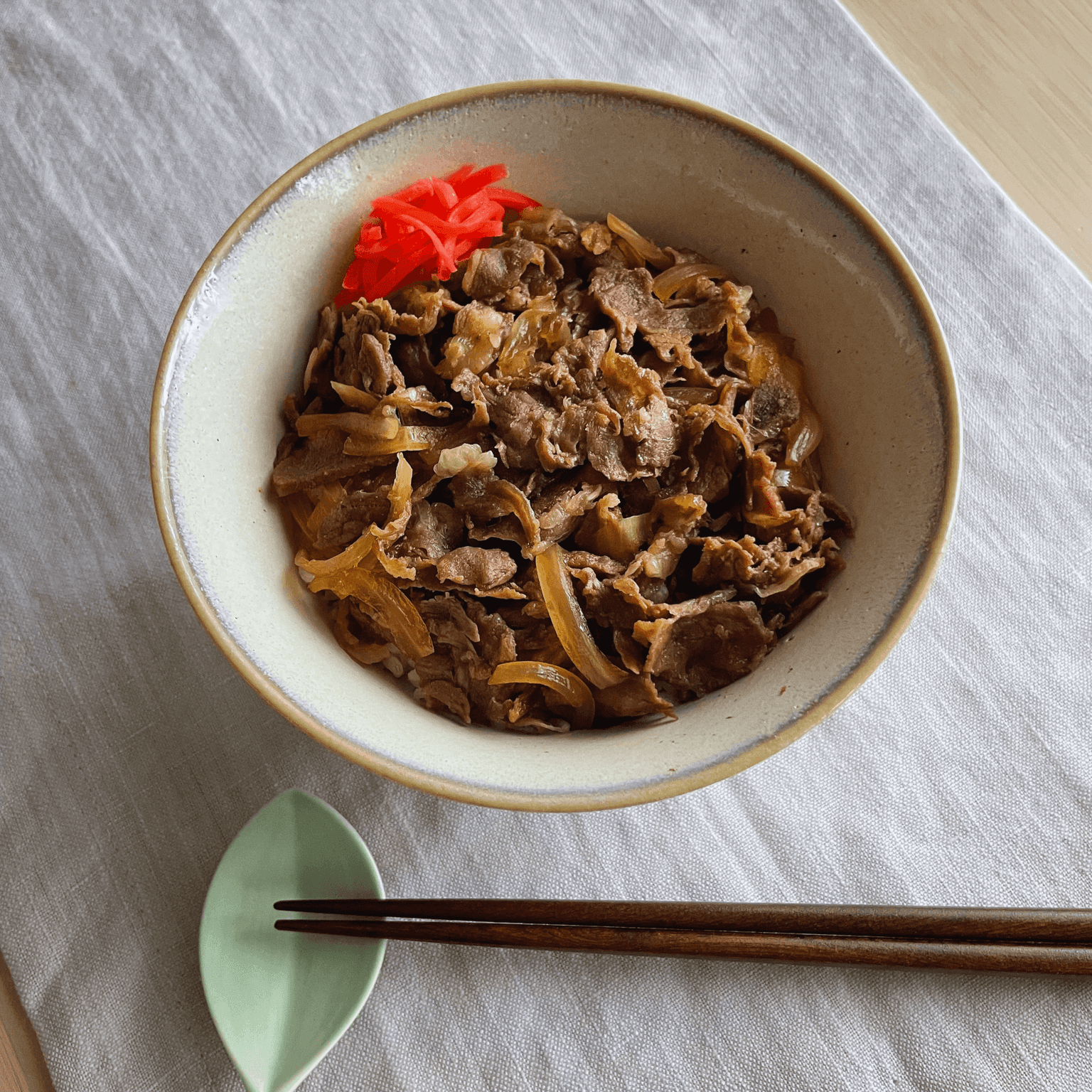
Gyudon
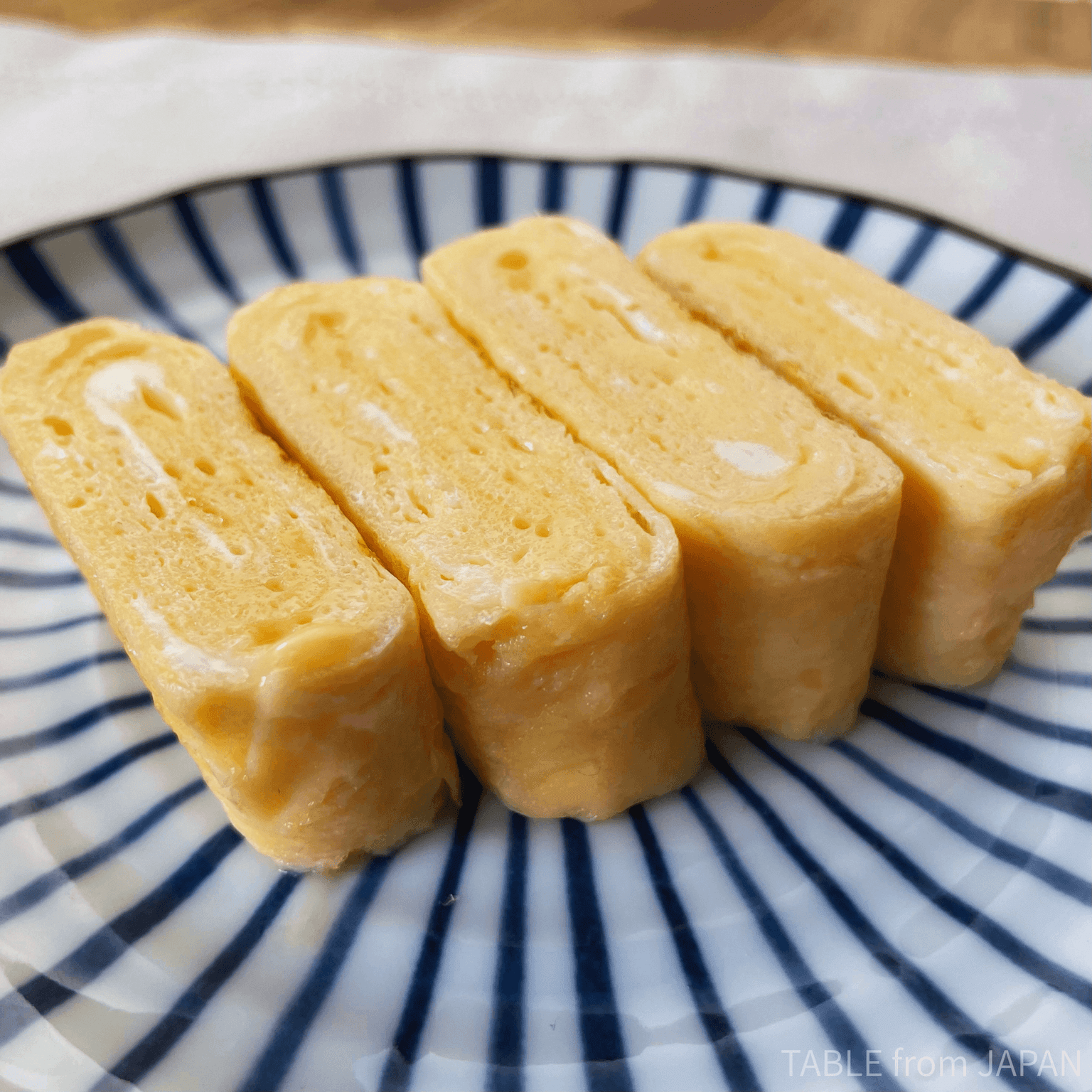
Tamagoyaki
Mirin is a small ingredient, but it brings the gentle sweetness and glossy finish that make many Japanese dishes feel complete.
- Tomoka