
Disclosure: This post may contain affiliate links. If you buy through these links, I may earn a small commission at no extra cost to you.
If you are getting into Japanese cooking, a rice cooker is one of the most useful kitchen appliances you can own.
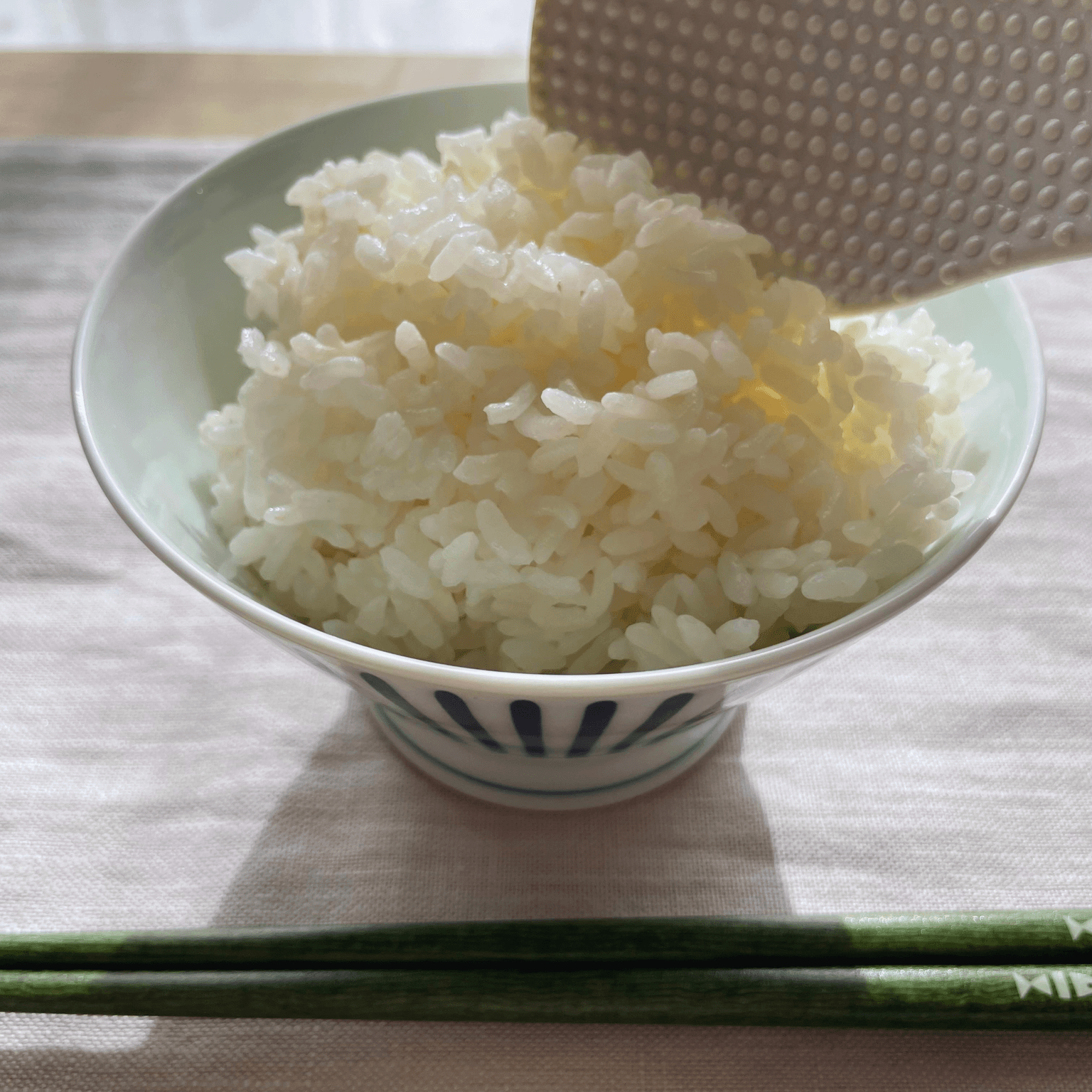
At home, rice is the centre of many of our family meals. Whether it is a comforting Japanese curry, a warm bowl of miso soup, or quick onigiri for the kids, perfectly cooked rice makes all the difference.
While you can cook rice in a pot, a rice cooker makes it much easier to get soft, slightly sticky, consistent rice every day without stress.
The challenge in Australia is that many basic rice cookers do not have settings designed specifically for short-grain or sushi rice. In this guide, I will share the models I would recommend for Japanese short-grain rice that are available locally in Australia.
No voltage converter needed
The models linked below are intended for Australian use or sold through Australian retailers, so you should not need a voltage converter. Always check the product listing before buying, especially if you are ordering from an overseas seller.
| Category | Model | Best For |
|---|---|---|
| Best Budget | Panasonic SR-DA152WST | First-time buyers and families on a budget |
| Best Overall | Zojirushi MICOM NS-TSQ10 | Everyday Japanese rice at home |
| Best Premium | Tiger Pressure IH JPK-G10A | Serious rice lovers and premium texture |
If you are buying your first rice cooker and want to keep the budget reasonable, this is where I would start.
The Panasonic SR-DA152WST is a reliable, no-fuss rice cooker that works well for everyday family meals. It is more affordable than premium Japanese brands, but still has useful features for cooking short-grain rice.
Why it stands out
What makes this useful is its Fuzzy Logic technology, which helps adjust the cooking temperature and time automatically. That is helpful for Japanese short-grain rice because you want the grains to cook evenly and stay soft without becoming mushy.
It also has practical menus such as White Rice, Congee/Soup, Quick Cook/Steam, and Brown Rice. For everyday use, it is simple, easy to clean, and does not take over the whole kitchen bench.
Best for
This is a good choice for first-time buyers, families on a budget, or anyone who wants a simple and dependable rice cooker for everyday meals.
You may also find this Panasonic model at Australian appliance retailers such as JB Hi-Fi, The Good Guys, Bing Lee, or Kitchen Warehouse depending on stock.
For most families, this is the one I would look at first.
Zojirushi is a well-known Japanese brand, and the NS-TSQ10 feels like a practical middle option for everyday Japanese rice at home. It is designed for Australian power, so you can use it without a voltage converter.
Why it stands out
The helpful part is the MICOM technology, which lets the rice cooker make small adjustments during cooking. That helps produce rice with a soft, glossy, slightly sticky texture, which is exactly what you want for Japanese meals.
It also includes dedicated settings for Sushi rice, Brown rice, and Porridge, and it comes with a steam basket. The thick inner pan helps distribute heat evenly, so the rice cooks more consistently.
For Japanese home cooking, this is the sweet spot: smarter than a basic rice cooker, but not as expensive as a premium Pressure IH model.
Best for
This is best for families who eat Japanese rice regularly and want a reliable rice cooker that can become part of everyday cooking.
You may also find this Zojirushi model at Australian kitchen retailers such as Kitchen Warehouse or MyCookware depending on stock.
If rice is a major part of your daily meals and you care deeply about texture, the Tiger JPK-G10A is the premium option I would look at.
This is the most expensive of the three, so I would only consider it if rice texture really matters in your home. It uses Pressure IH cooking, which is designed to cook rice at a higher temperature and bring out a plumper texture.
Why it stands out
For a premium model, the main difference is that it combines Induction Heating with pressure cooking and a multi-layer inner pot. That helps cook the rice evenly at a higher heat.
The result should be rice with a plumper, sweeter feel. This is especially nice for sushi rice, bento, and onigiri because the rice still tastes good after it cools down.
It also has a quick menu for small amounts of rice, plus a self-cleaning menu that may help with smells after cooking.
Best for
This is best for serious home cooks, families who eat rice every day, or anyone who wants the closest experience to a premium Japanese rice cooker at home.
You may also find this Tiger model at Australian kitchen retailers such as MyCookware or Minimaru depending on stock.
Capacity
Rice cooker cups refer to the small measuring cup that comes with the machine, usually around 180ml. This is different from a standard Australian measuring cup.
| Size | Best For |
|---|---|
| 3 cup | 1-2 people |
| 5.5 cup / around 1.0L | 2-5 people |
| 10 cup / around 1.8L | Larger families or batch cooking |
For most Australian households, I think a 5.5-cup model is the most practical size. It gives you enough rice for family dinners without taking up too much bench space.
Fuzzy Logic or MICOM
Basic rice cookers usually turn on and off based on heat. Fuzzy Logic or MICOM rice cookers are smarter. They use a microcomputer to adjust the cooking time and temperature.
This matters for Japanese short-grain rice because the texture is very important. You want the rice to be soft and slightly sticky, but not wet or mushy.
IH Cooking
IH stands for Induction Heating. Instead of heating only from the bottom, IH cookers heat the inner pot more evenly.
This usually gives better texture, especially if you cook rice often.
Pressure IH
Pressure IH is usually found in premium models. It cooks rice at a higher temperature under pressure, which can make the grains plumper, glossier, and sweeter.
It is not necessary for everyone, but if rice is a big part of your daily meals, it is a noticeable upgrade.
Australian Plug and Voltage
Always check that the rice cooker is made for Australian voltage, usually 230V-240V, and comes with an Australian plug.
Some Japanese rice cookers are made for 100V only. If you buy one of those by mistake, you will need a heavy and expensive voltage converter.
For everyday home use, I recommend choosing an official Australian model.
Do I really need a Japanese rice cooker for Japanese rice?
Very basic rice cookers can still cook rice, but they often have only simple cook and warm settings. For Japanese short-grain rice, I find it helpful to choose a cooker that can adjust the heat more gently, so the rice comes out soft, glossy and evenly cooked.
Can I just buy a Breville or Sunbeam rice cooker?
You can, especially if you only cook rice occasionally. But many Australian rice cookers and multi-cookers are made to be versatile, rather than specifically focused on Japanese short-grain rice. If you cook Japanese rice often and want that soft, slightly sticky and fluffy texture, I would choose a Japanese or Asian-brand rice cooker with settings designed for this style of rice.
If I were choosing one rice cooker for most families in Australia, I would choose the Zojirushi NS-TSQ10.
The Panasonic is a good starter option, especially if you are new to Japanese cooking or want something affordable. The Tiger is the one I would look at if rice texture really matters in your home.
But for most families, the Zojirushi sits in the middle nicely. It has the smart cooking technology you want for Japanese short-grain rice, it looks simple in the kitchen, and it feels like something you can use for many years.
For everyday Japanese home cooking, it is the one I would recommend first.
Once you have good rice, Japanese home cooking becomes much easier. Here are a few recipes and guides that go beautifully with freshly cooked rice.
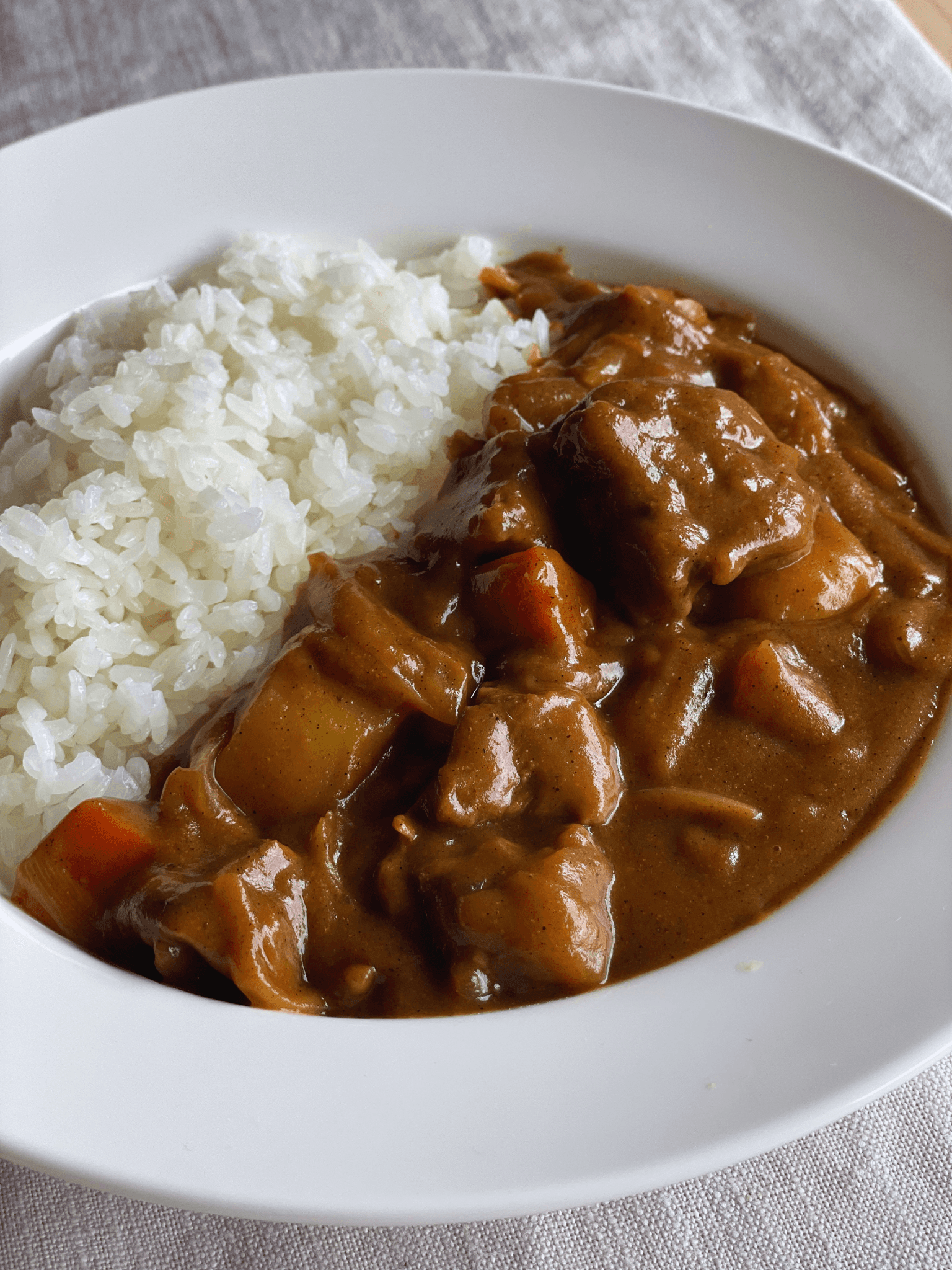
Easy Japanese Curry Using Curry Roux
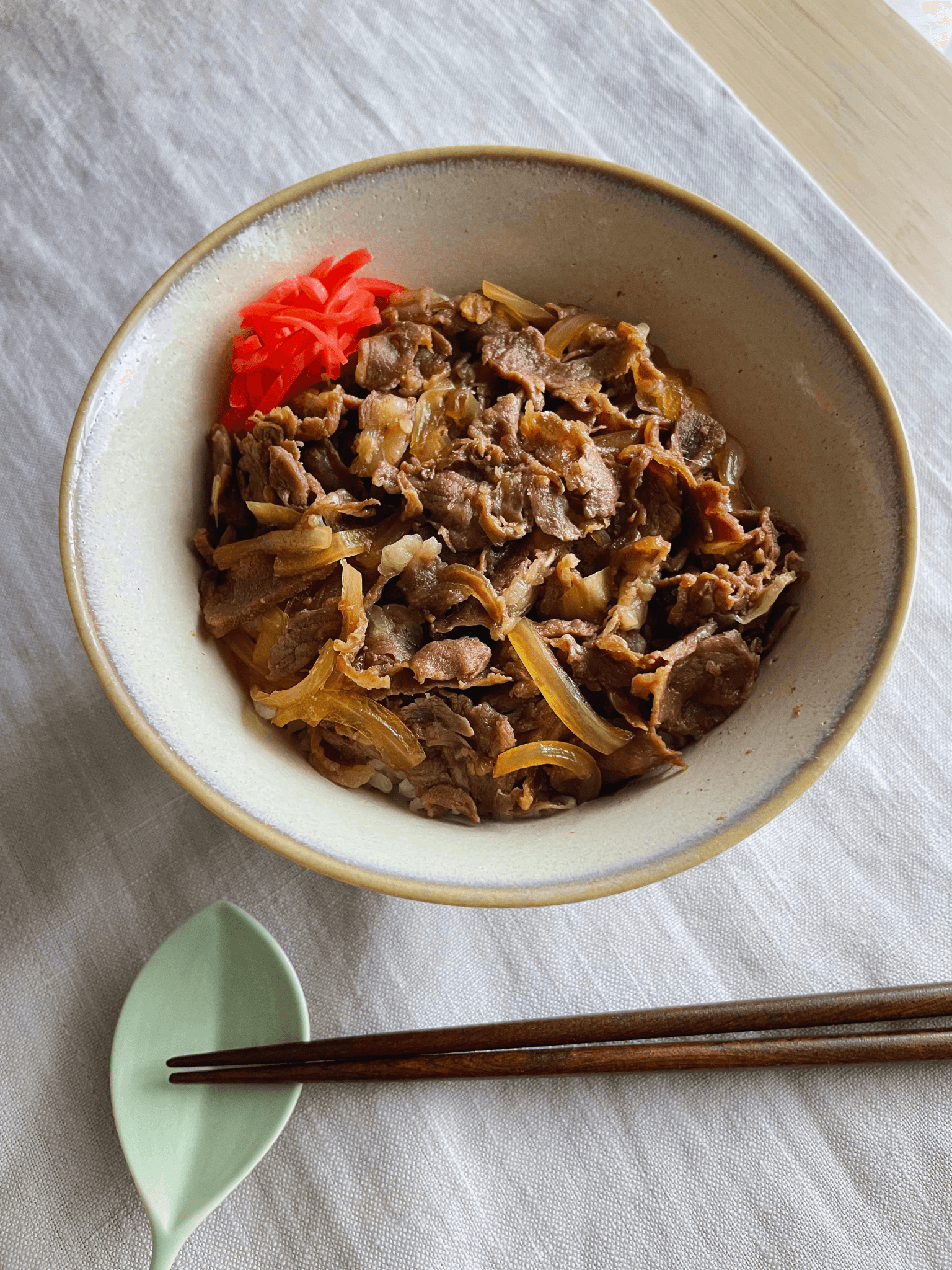
Gyudon Recipe - Japanese Beef and Onion Rice Bowl
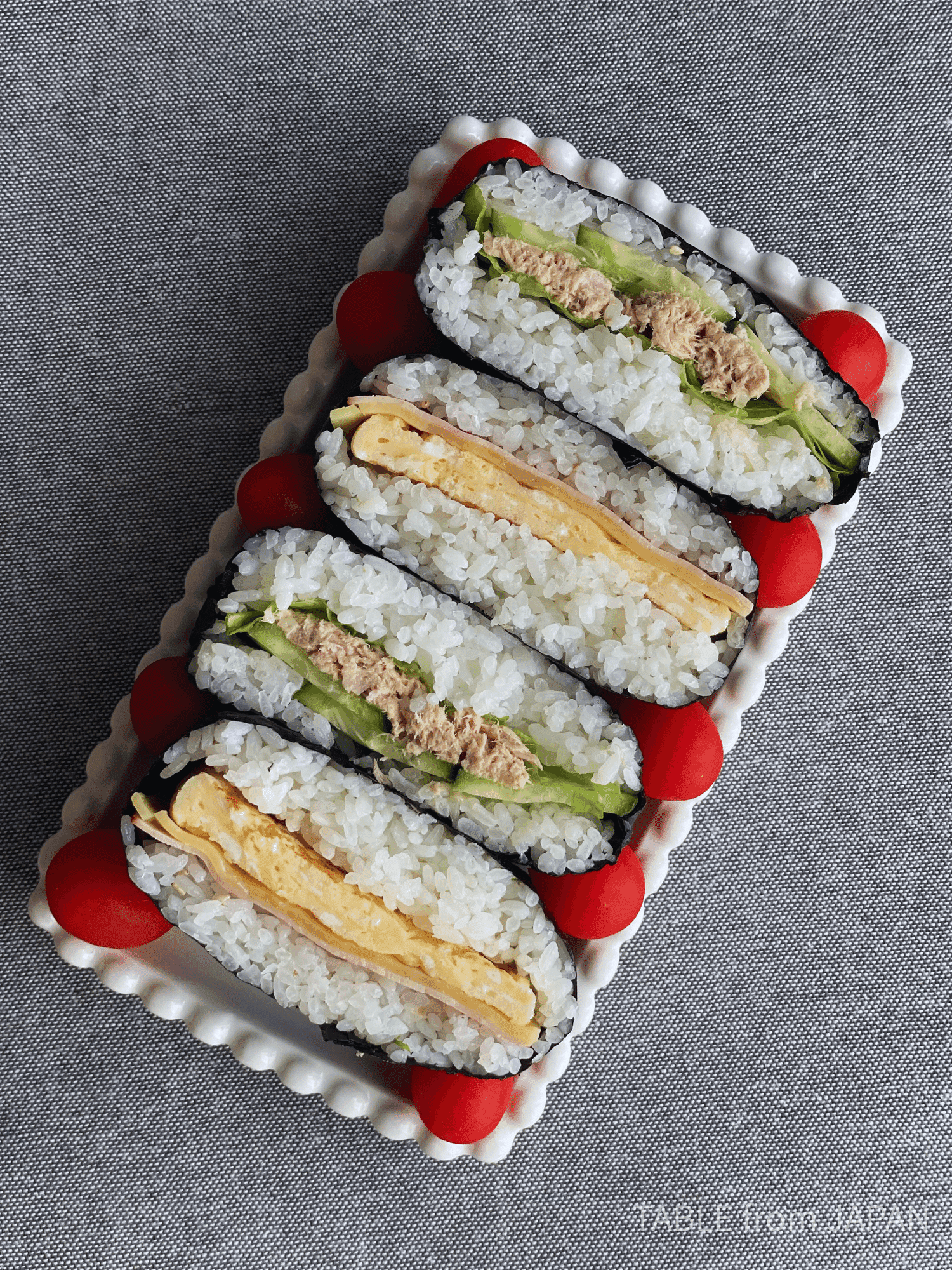
What Is Onigirazu? A Simple Japanese Rice Sandwich for Bento
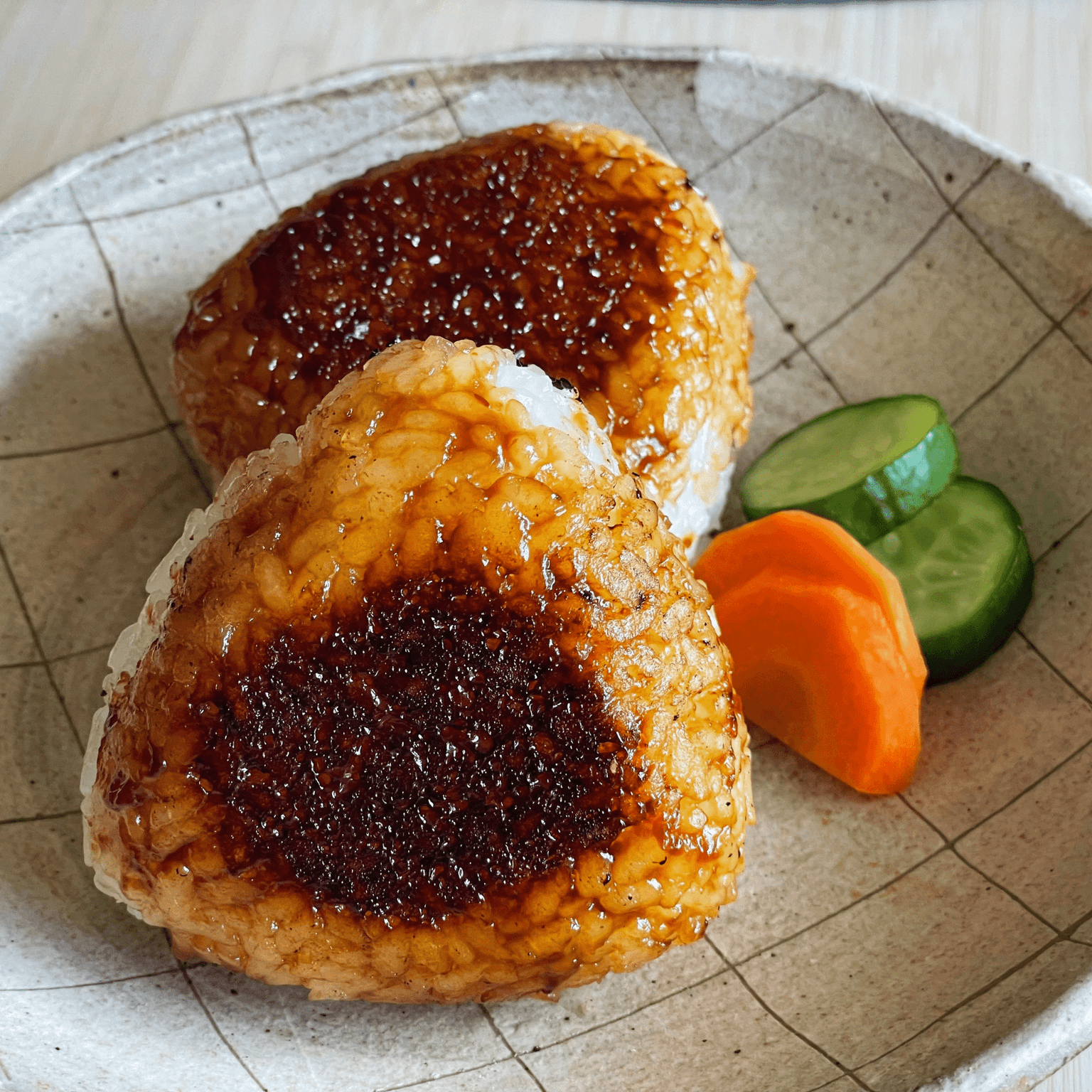
Miso Yaki Onigiri
Good rice makes even a simple meal feel complete.
Once you have a rice cooker, the next helpful step is knowing where to buy Japanese rice and everyday pantry ingredients in Australia.
If you need Japanese rice, nori, miso, mirin, dashi, soy sauce, or other pantry basics, the shop list page is a good next place to look.