
Easy Japanese Curry Using Curry Roux
Ingredients
- 140 g (medium)
- 300 g beef (chuck, blade or gravy beef), cut into bite-sized pieces
- 2 onion (about 400g)
- 2 potato (about 300g)
- 1 carrot (about 200g)
- 2 tbsp cooking oil
- 1000 ml water
To serve
Shopping for curry ingredients?
Need Japanese curry roux, rice or pantry basics in Australia? My shop guide lists Japanese grocers, Asian supermarkets and useful local shops by city.
Find Japanese grocery shops near you by city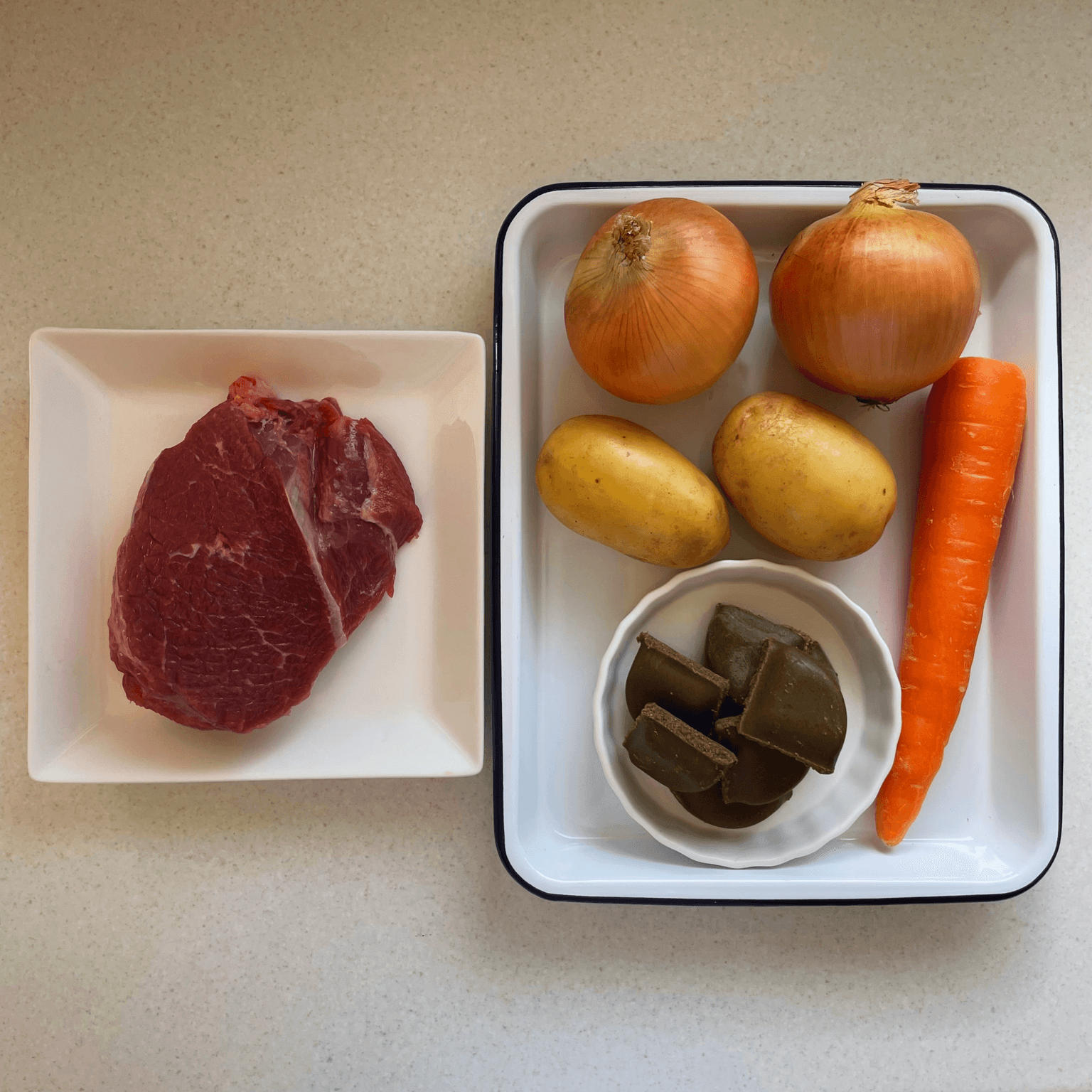
Instructions
- 1
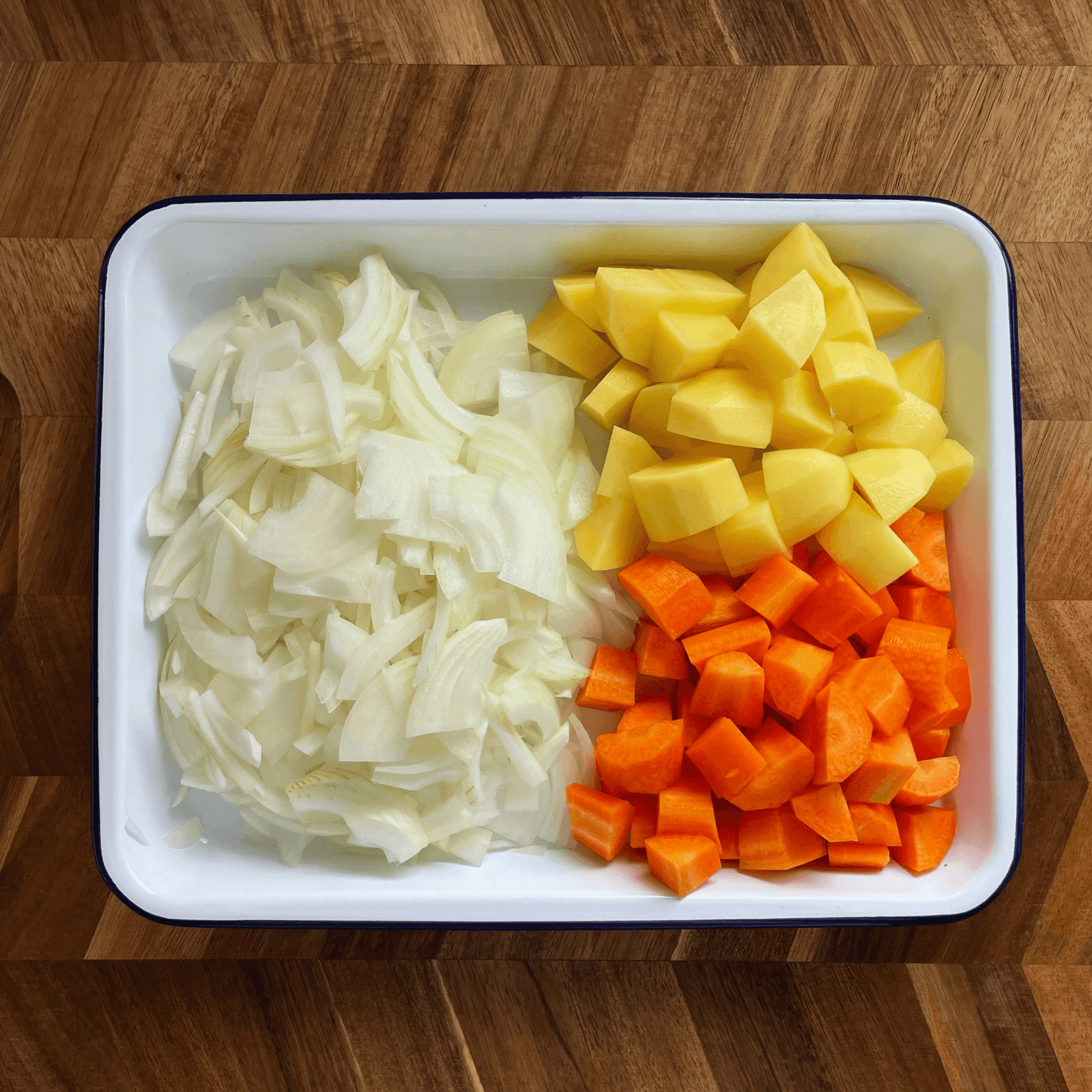
Cut the onion into wedges from root to tip so it keeps its shape when simmered. Peel the potatoes and remove the eyes, then cut them into bite-sized pieces. Cut the carrot and beef into bite-sized pieces.
- 2
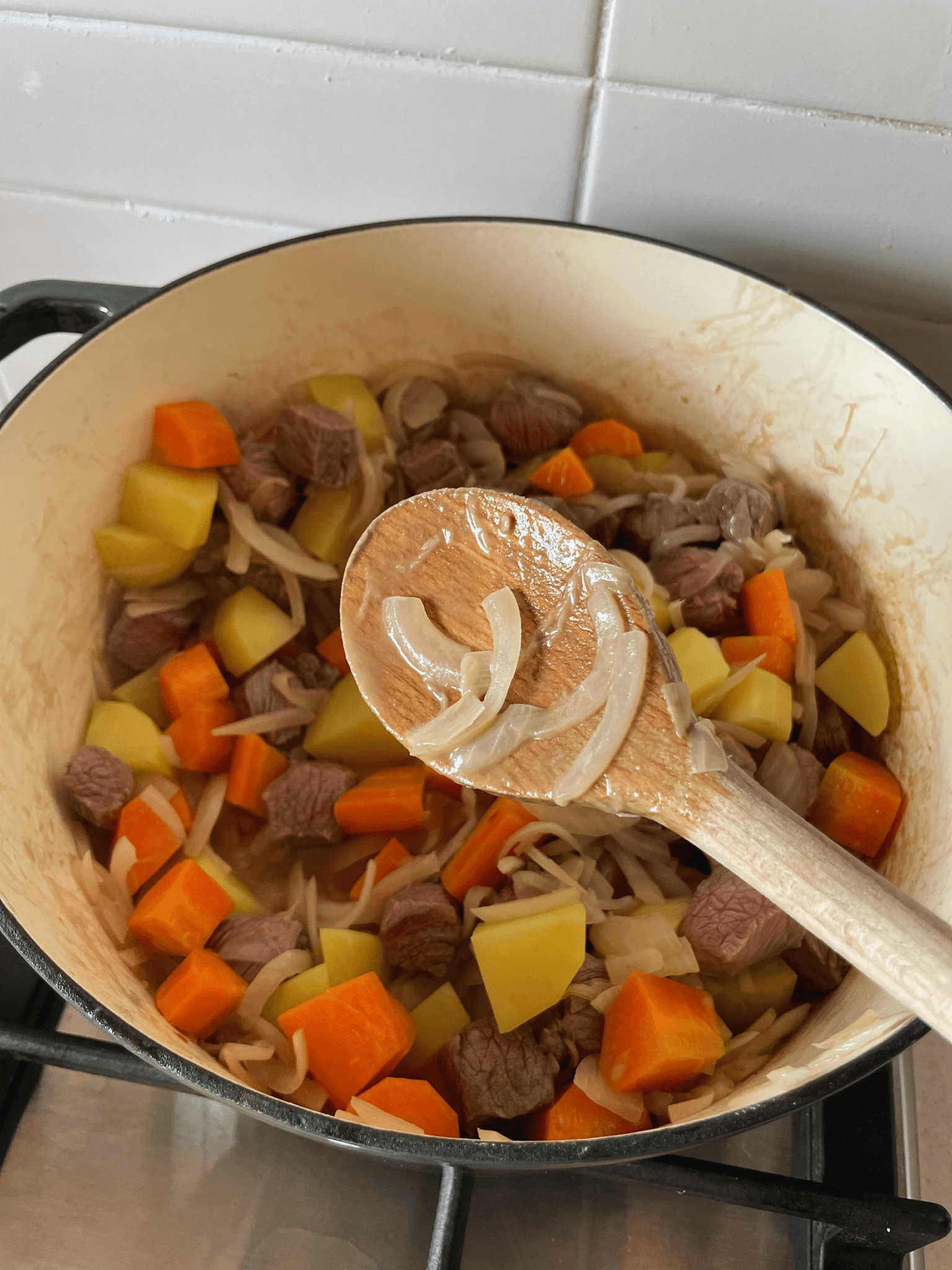
Heat a large heavy-bottomed pot over medium heat and add 2 tablespoons of oil. Add the onions and cook slowly until soft, stirring occasionally so they do not burn.
- 3
Add the potatoes, then the carrot, and finally the beef. Cook for a few minutes, stirring gently, until everything is coated with oil and the beef has changed colour.
- 4
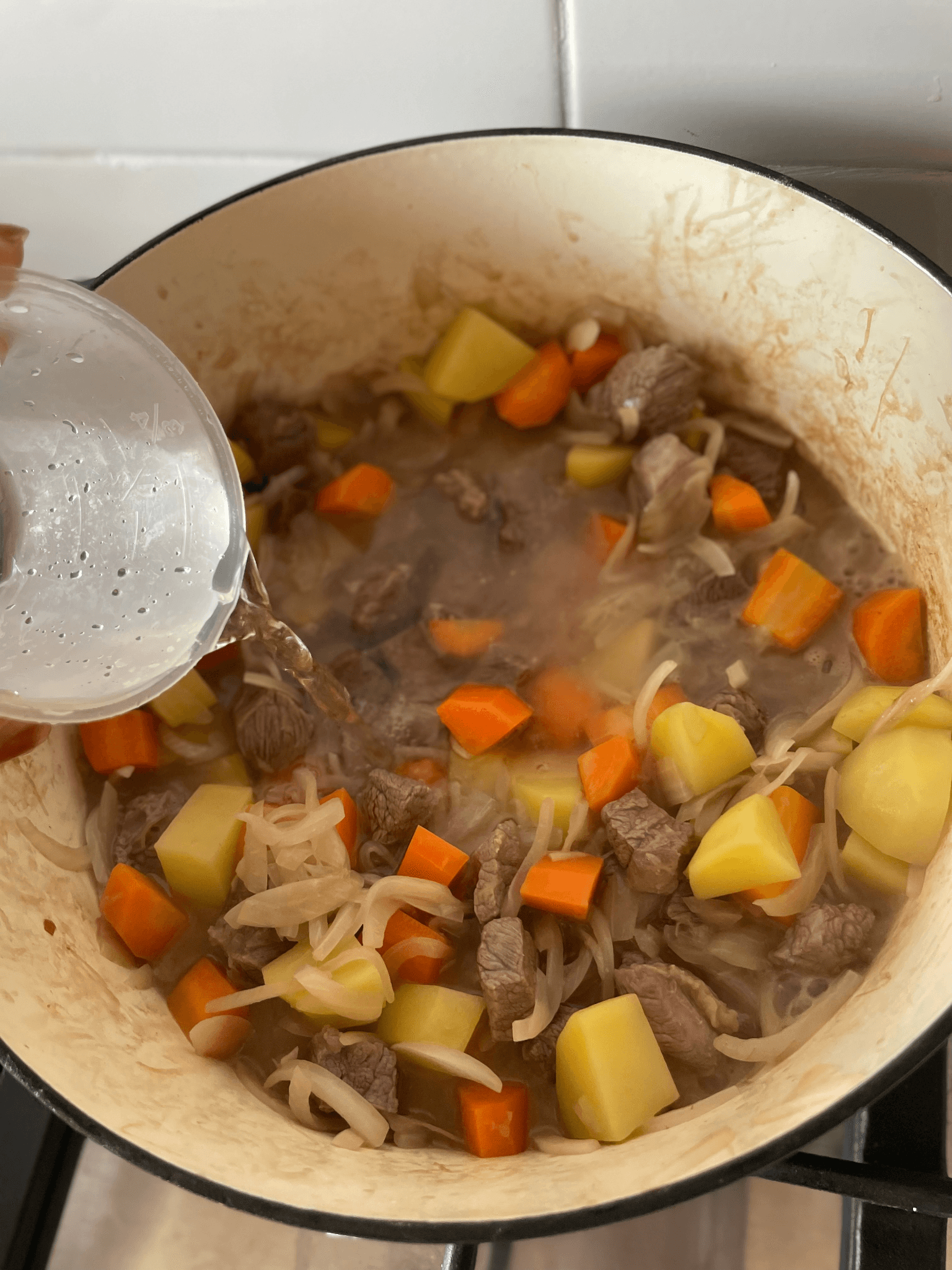
Add the water and bring to a boil. Skim off any foam from the surface, then simmer over low to medium heat for about 15 minutes, or until the vegetables are tender. The vegetables are ready when a fork goes through them easily.
- 5
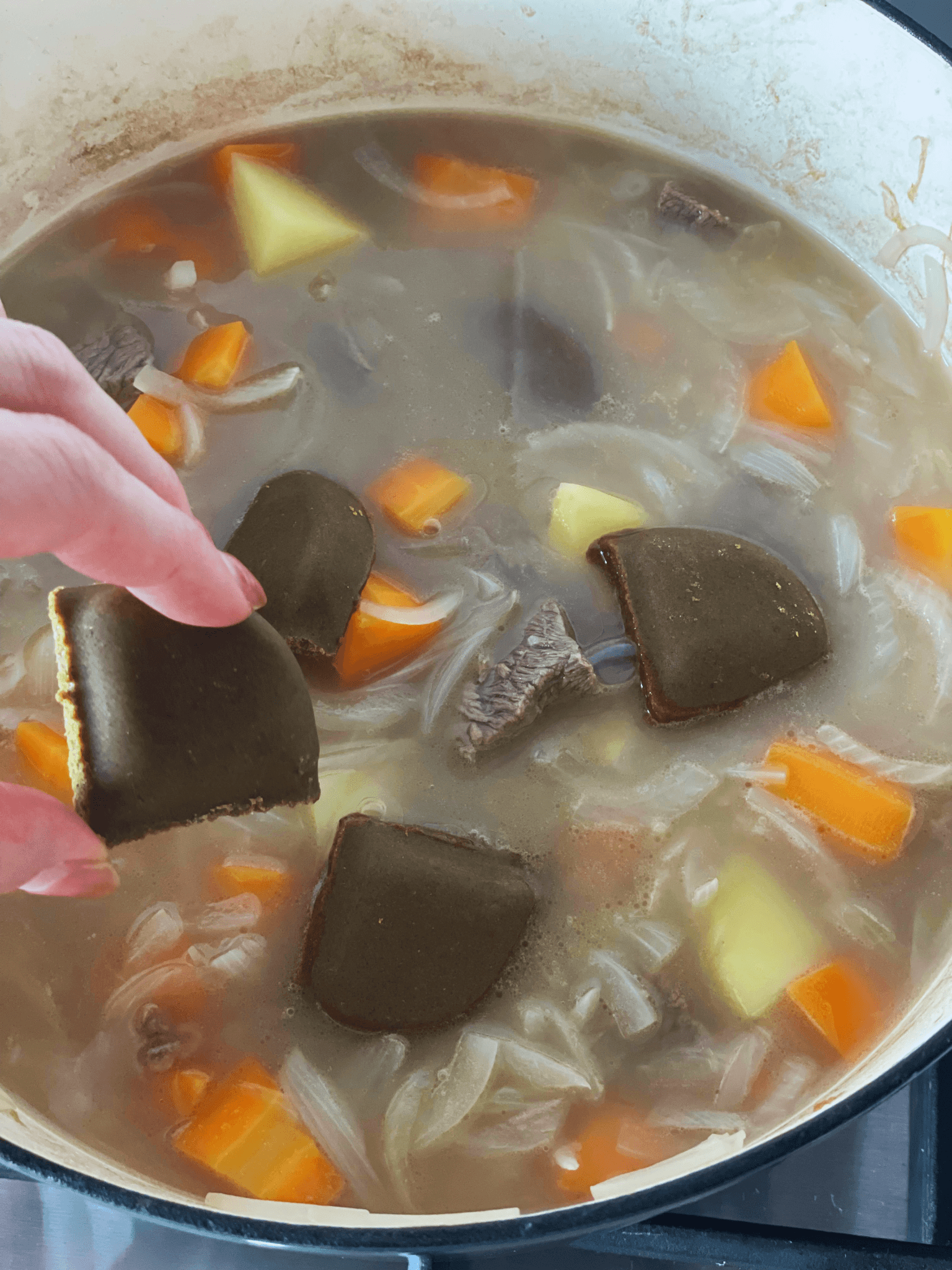
Turn off the heat and add the curry roux. Wait until the boiling has settled, then stir until the roux is fully dissolved. This helps it melt smoothly and prevents lumps.
- 6
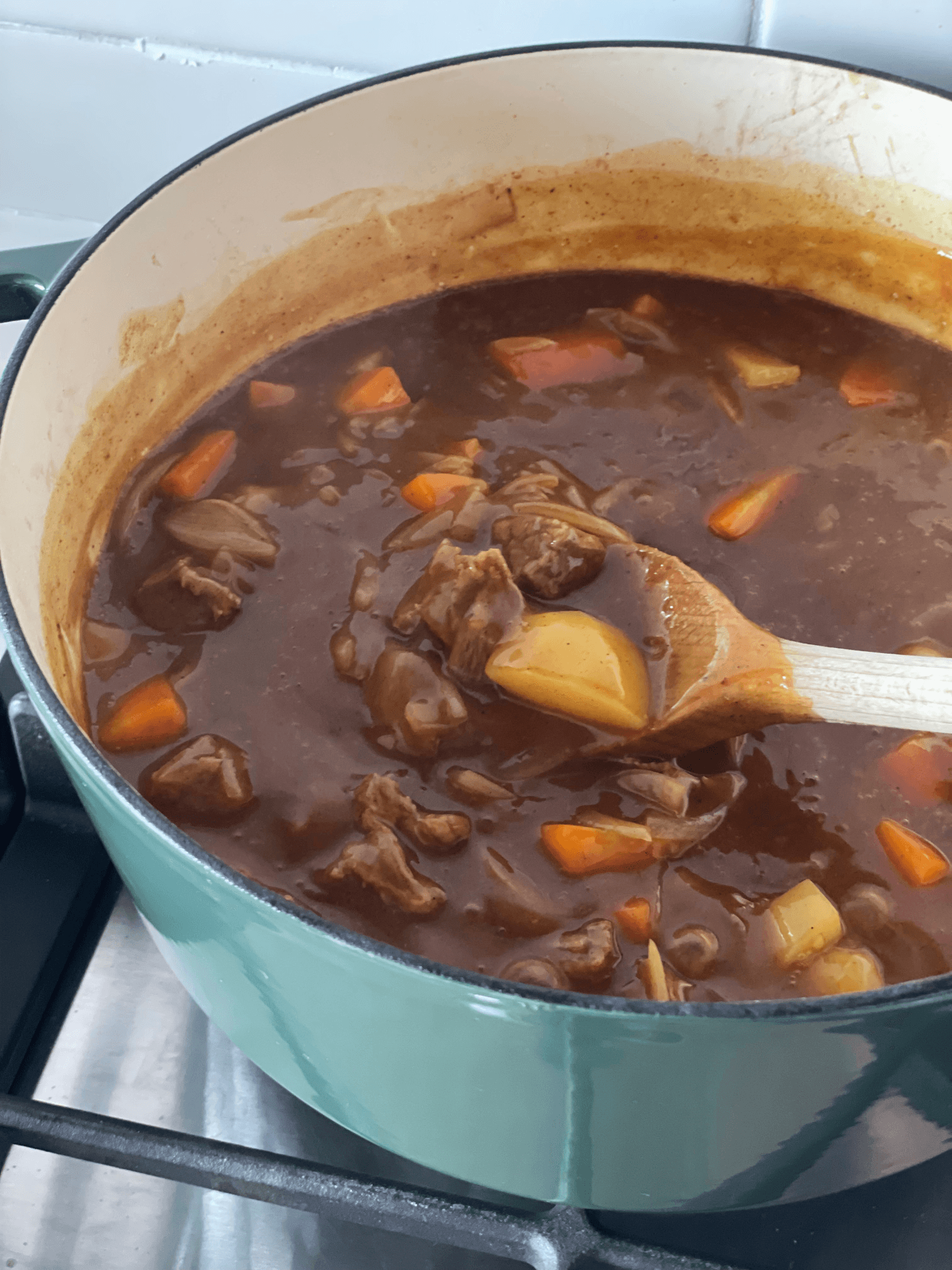
Once the roux has dissolved, turn the heat back on low. Simmer for about 10 minutes, stirring from the bottom of the pot occasionally to prevent burning.
- 7
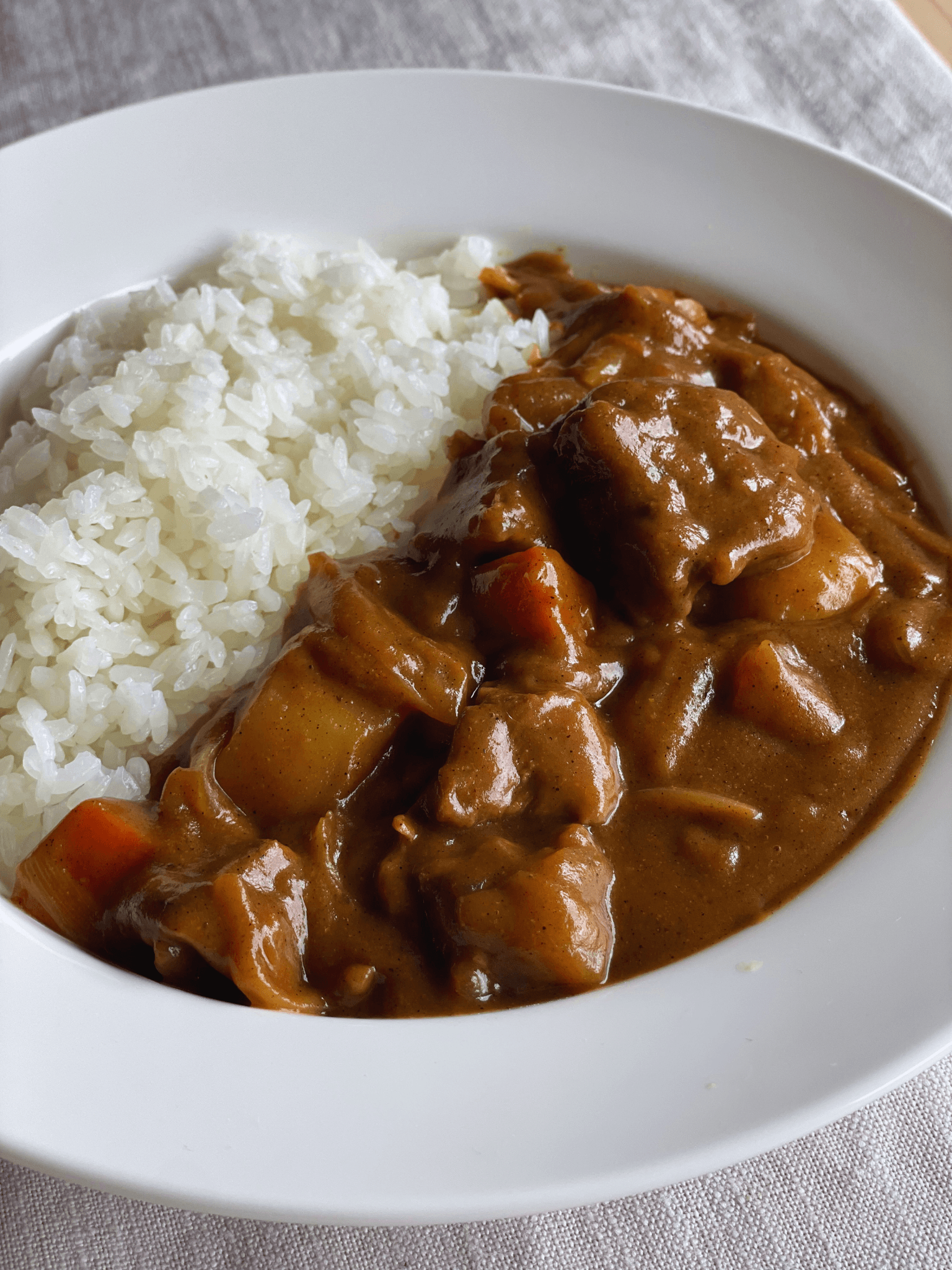
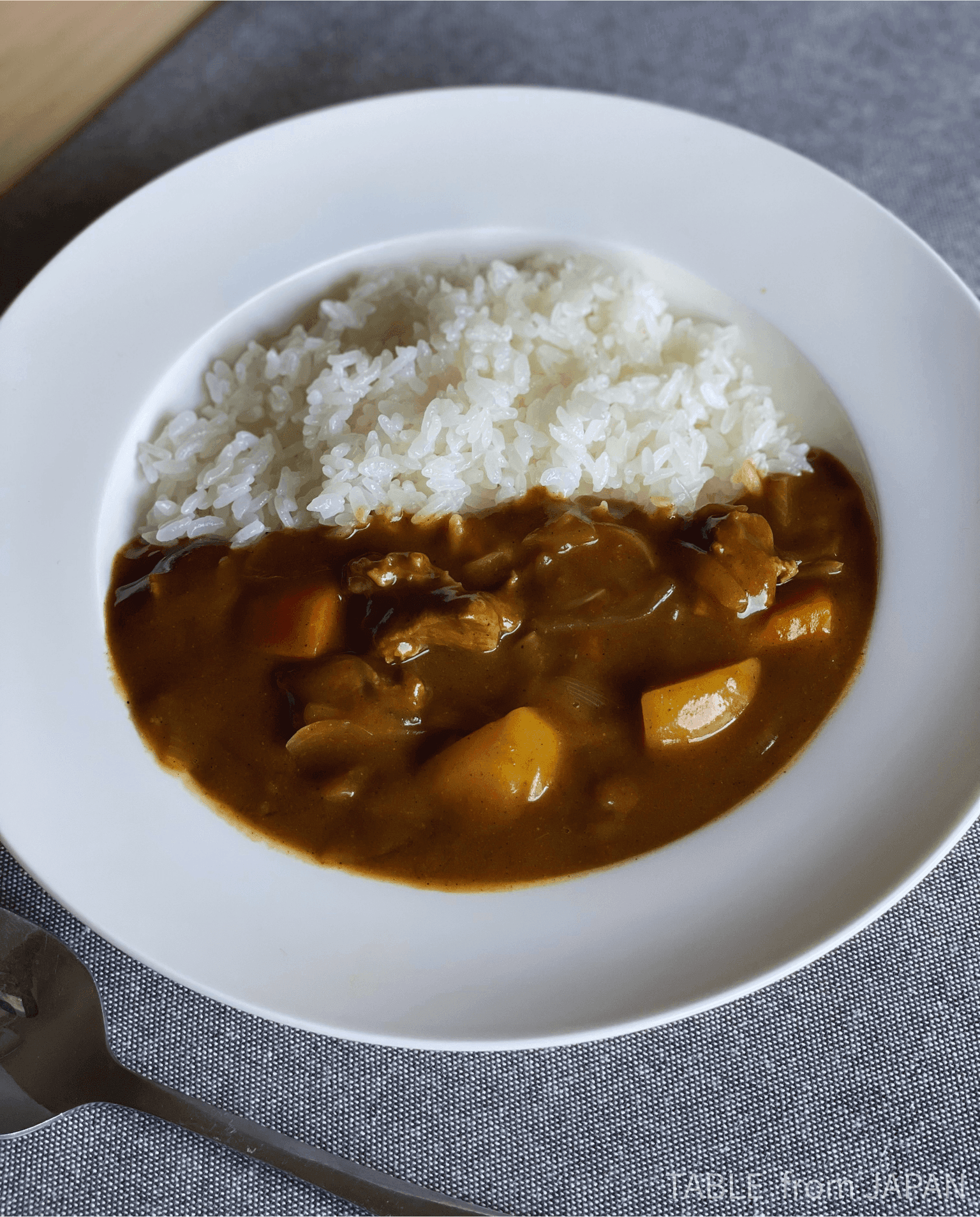
When the sauce has thickened and the vegetables are tender, the curry is ready. Serve warm with Japanese rice. If you make curry often, a rice cooker makes it easier to keep Japanese rice soft and ready at the same time. Best Rice Cookers for Japanese Rice in Australia
Shop Ingredients for This Recipe
Tomoka's Note
Japanese curry is one of the most flexible dishes in Japanese home cooking. You can easily adjust it to suit your taste, and that is part of what makes it so popular. You can change the vegetables or meat, or add your own spices to the curry. I personally like adding a little cumin and cayenne pepper to add just a little extra spice. Instead of the usual potatoes and carrots, I sometimes use shimeji mushrooms and cherry tomatoes. The tomatoes add a gentle acidity that works really well and gives the curry a slightly lighter feel. In Australia, Golden Curry is the one you can often find at Coles or Woolworths, but if you prefer a richer flavour, Java Curry from a Japanese grocery store is a great option too. For this recipe, I used a mix of Java Curry and Kokumaro curry roux, about half and half.
I often use butter instead of regular cooking oil. You can also use chicken or pork instead of beef. When adding the curry roux, always turn off the heat first. After the roux has dissolved and you turn the heat back on, make sure to stir from the bottom of the pot from time to time, as the curry can burn easily. If you try it, I hope you enjoy making it your own.
Serve It With
FAQ
Can I use any Japanese curry roux?
Yes. Most Japanese curry roux blocks work in a similar way, so you can use the brand you like or the one you can find easily.
Why is my Japanese curry too thick?
It may have simmered for a little too long after adding the roux. Add a small splash of water and stir gently until it loosens.
Can I freeze Japanese curry?
Yes, Japanese curry freezes well. For the best flavour, try to eat it within about 1 month. Potatoes can lose moisture and change texture after freezing, so if you plan to freeze the curry, you can remove them, mash them into the sauce, or simply use fewer potatoes.
What rice should I serve with Japanese curry?
Japanese short grain rice is ideal because it is soft and slightly sticky, which works beautifully with the curry sauce.