
Japanese curry is one of the most loved home-cooked meals in Japan. It is thick, mild and comforting, and many families make it regularly at home. It is simple to cook in a big pot, keeps well for the next day, and is a friendly place to start if you are new to Japanese home cooking.
One interesting thing about Japanese curry is that it has a very familiar home-style flavour. Most people in Japan know the taste of curry rice made with roux.
You can make curry from scratch with curry powder and spices, but the curry many families make at home usually starts with curry roux.
Japanese curry is thicker, milder and less spicy than many other curries. It is usually slightly sweet and savoury, with a smooth sauce that is almost always served with rice.
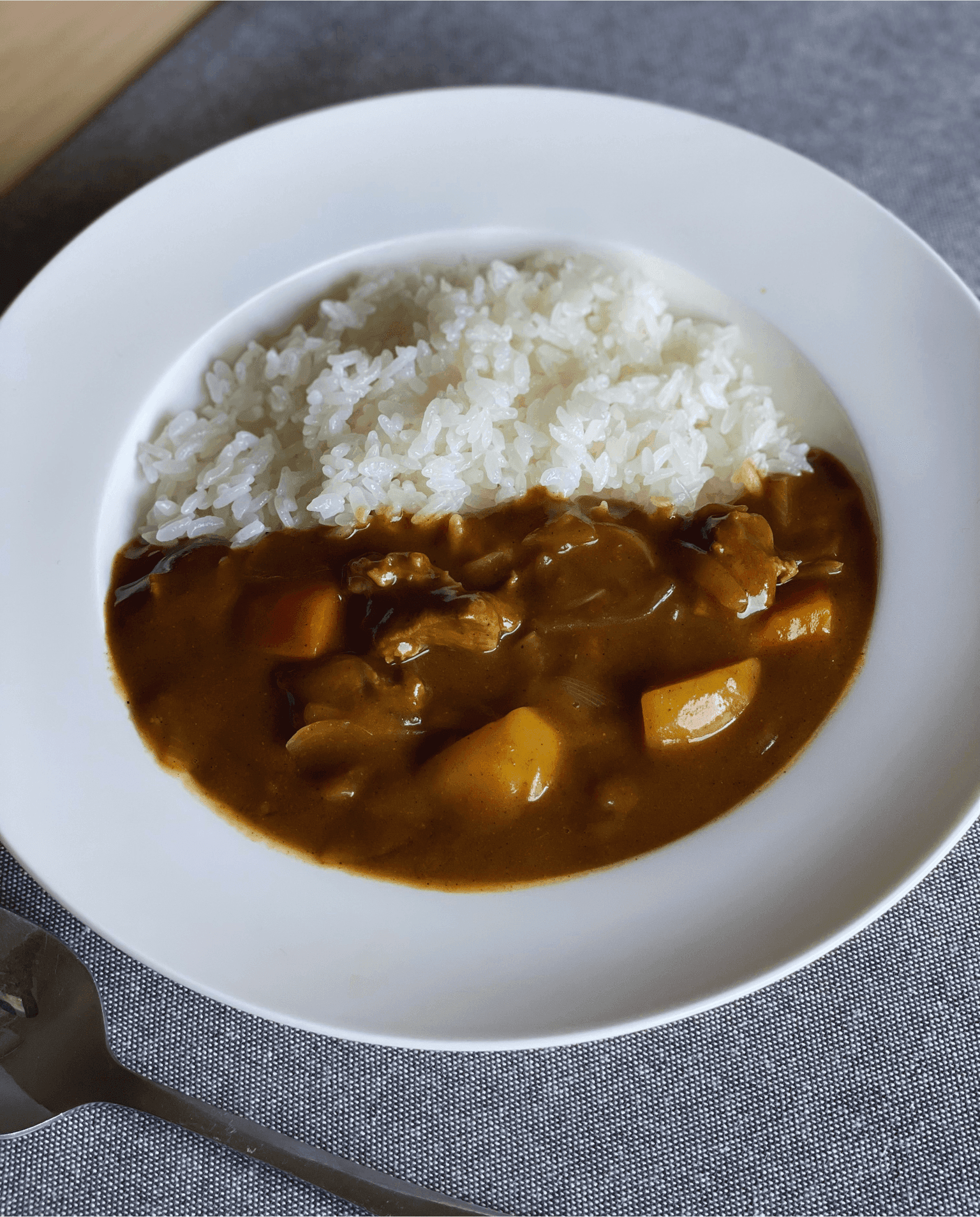
The most important ingredient for Japanese curry is curry roux. In Japan, many people use ready-made roux blocks, which contain spices, flour, oil and seasoning. They make Japanese curry very easy to cook at home.
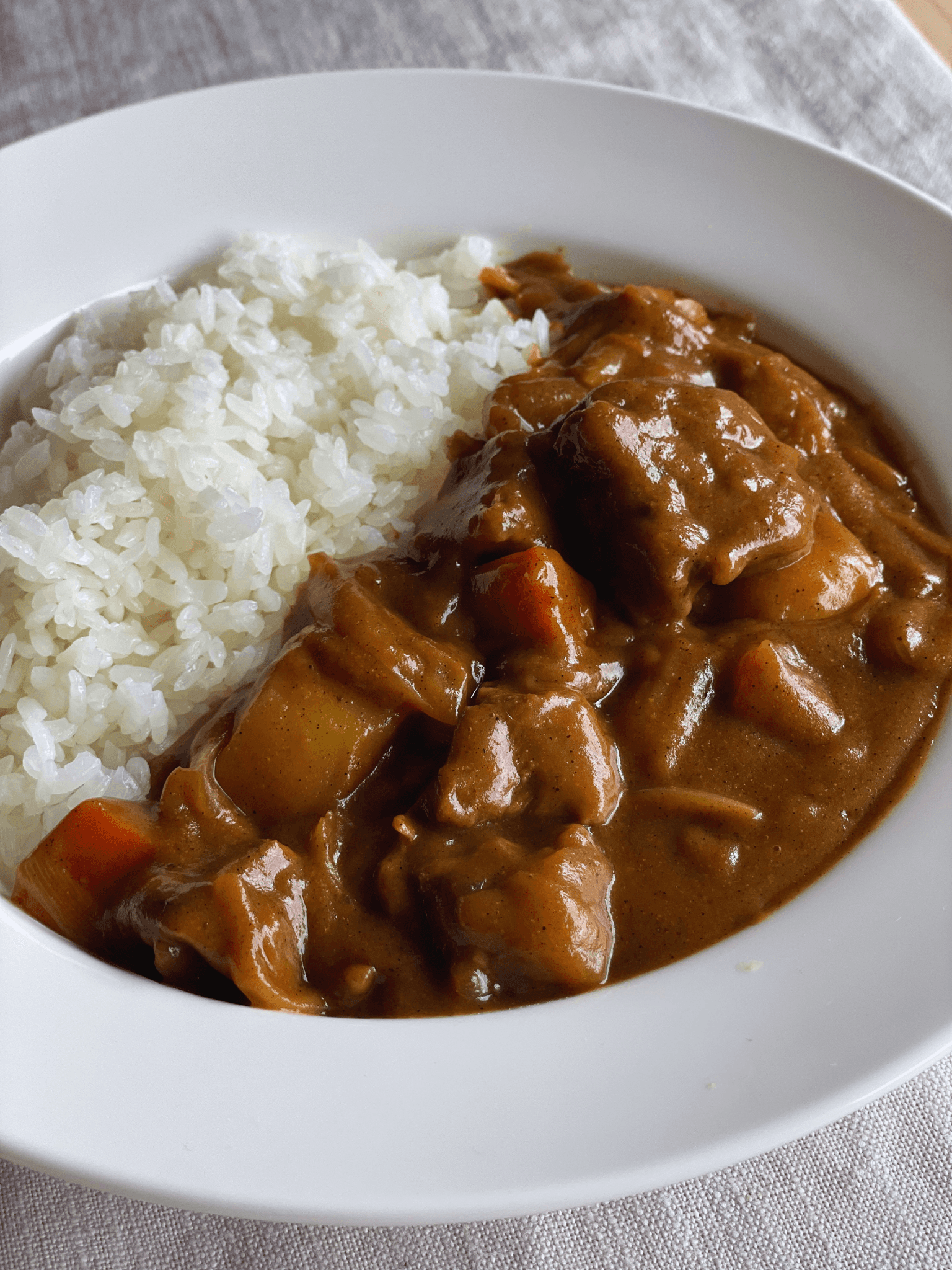
Japanese Curry Recipe - using curry roux
Finding Curry Roux in Australia
In Australia, Japanese curry roux can sometimes be found at Coles, Woolworths or IGA. Golden Curry is often one of the easiest brands to find in major supermarkets.
Japanese curry roux is usually sold in different spice levels such as mild, medium hot and hot. I usually use medium hot for adults and mild for children at home. Even the hot version of Japanese curry is usually not extremely spicy compared to many other curries.
Japanese grocery stores usually have more brands and spice levels. Java Curry and Kokumaro are two of the ones I often use at home.
One of my personal favourites is Java Curry. It has a rich flavour with strong onion and garlic notes and is noticeably spicier than many other curry roux. If you enjoy slightly spicier curry, Java Curry is a good one to try.
If you want to see the one I mean, I have added it to my Pantry Picks.
Sometimes I also mix two different roux blocks to create my own flavour. Many people in Japan have their own favourite brands and combinations.
The most common ingredients used in Japanese curry are onion, carrot, potato and meat such as chicken, beef or pork. These simple ingredients are slowly cooked together, and then the curry roux is added to make a thick curry sauce.
If you look at the instructions on different curry roux packages, you will notice that the basic method is almost always the same.
- Cook the vegetables and meat.
- Add water and simmer.
- Turn off the heat and add the roux.
- Simmer gently until the sauce becomes thick.
Japanese curry is almost always served with rice and is often called curry rice. It is commonly served with pickles such as fukujinzuke, sweet pickled vegetables, or rakkyo, pickled shallots.
Helpful Guide
Curry rice is usually served as a single plate meal, with rice on one side and curry on the other. This simple style of serving is the classic way to enjoy Japanese curry.
One popular way to enjoy Japanese curry is katsu curry, which is curry served with a crispy breaded pork cutlet.
Katsu curry is popular at casual restaurants and is sometimes made at home for a special meal. The combination of crispy cutlet, thick curry sauce and rice is very satisfying and loved by both children and adults.
In Japan, katsu curry is also a very popular meal at ski resorts! I always eat katsu curry for lunch whenever I go skiing in Japan, and for me, it is one of the meals I associate with ski trips.
Japanese curry is often cooked in large batches, and many people say it tastes even better the next day. This is because the flavours blend together as it sits, and the sauce thickens slightly, making the curry richer and more flavourful the next day.
There are also several popular ways to use leftover curry.
One popular dish is curry udon. It is made by adding leftover curry to a light udon broth, then serving it with udon noodles.
Another favourite is curry doria, a baked rice dish topped with curry, a creamy white sauce and cheese.
These dishes are a simple and delicious way to enjoy curry in a different form the next day.
Japanese curry may not be an ancient traditional dish, but it is deeply part of everyday home cooking in Japan.
With curry roux, rice and a few simple ingredients, it is easy to bring that cosy curry-rice feeling into your own kitchen.
- Tomoka