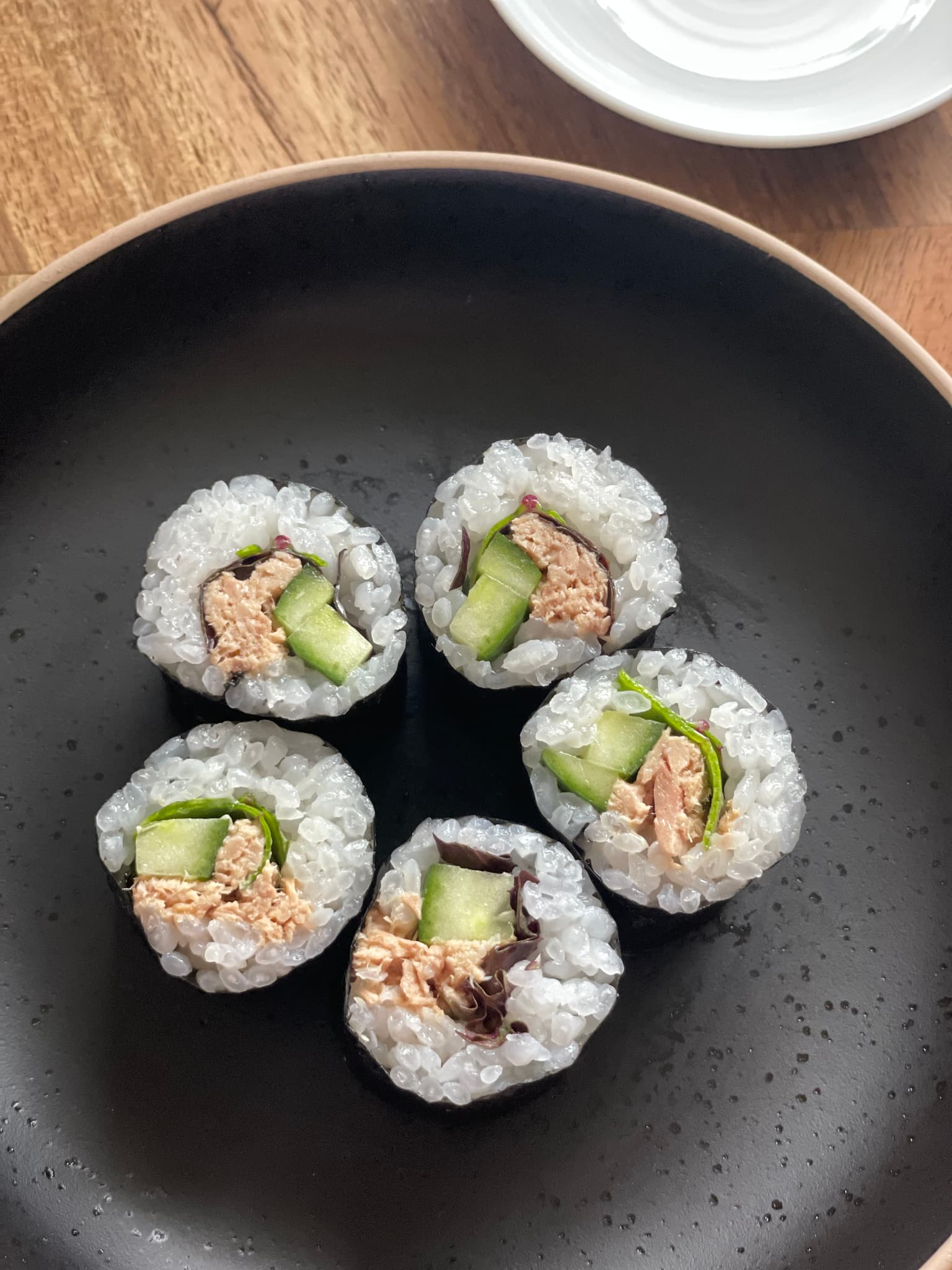
Sushi Rice - The 10% Rule
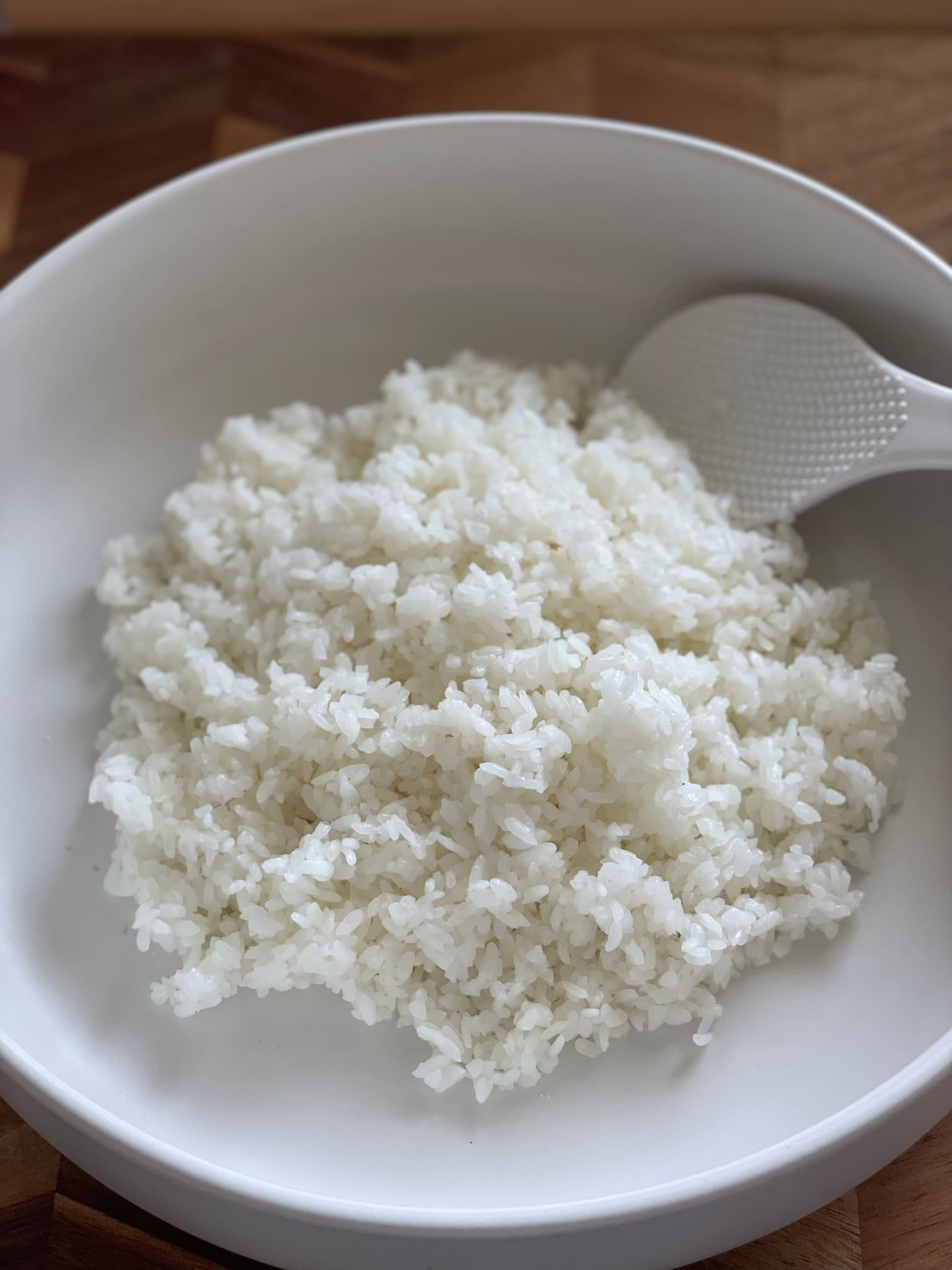
Ingredients
- 180 ml
- 45 g Sugar
- 18 g Salt
Instructions
- 1
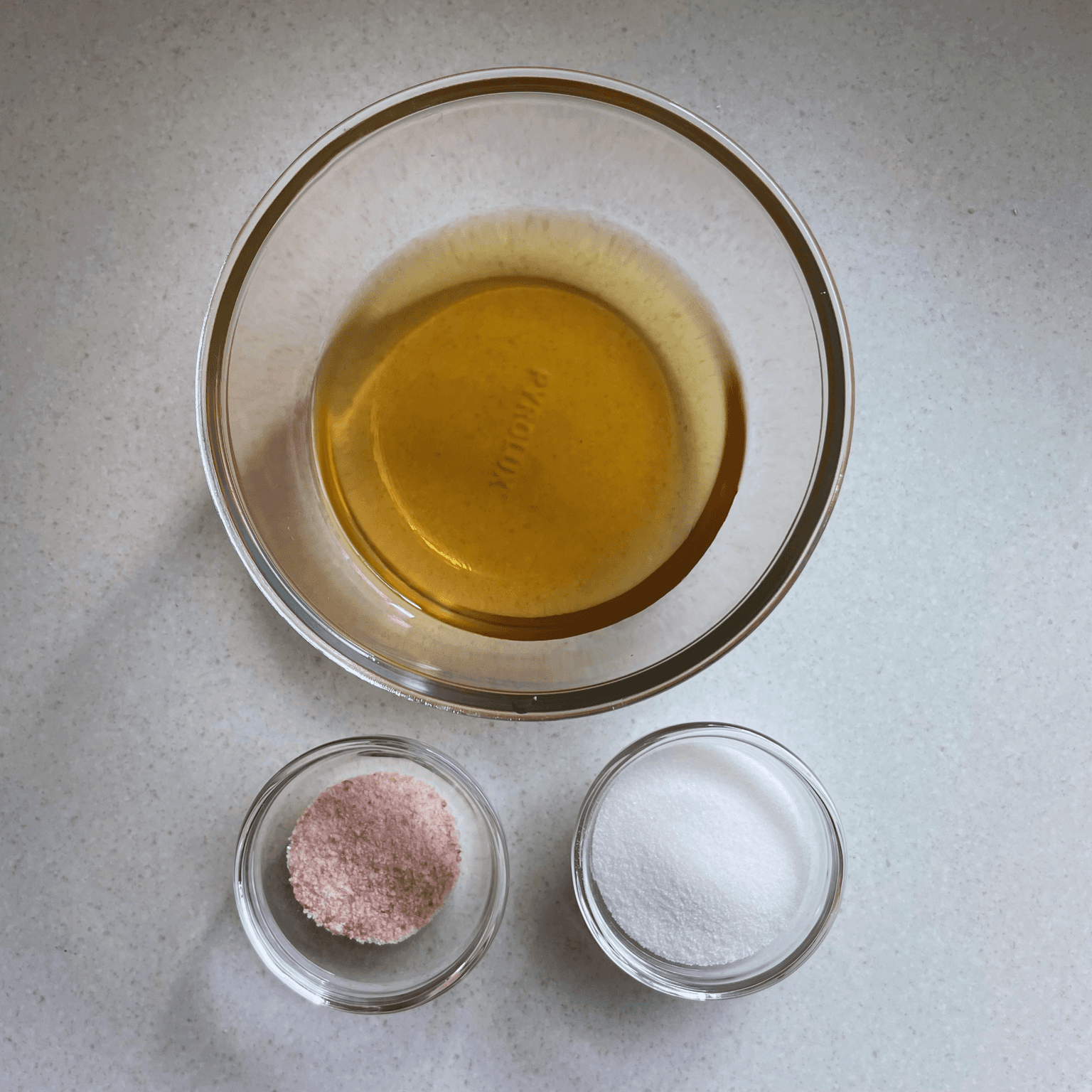
Start by cooking the rice.
Rinse the rice, then cook it in your rice cooker. Because sushi vinegar will be added later, it helps to use slightly less water than usual so the rice cooks a little firmer.
- 2
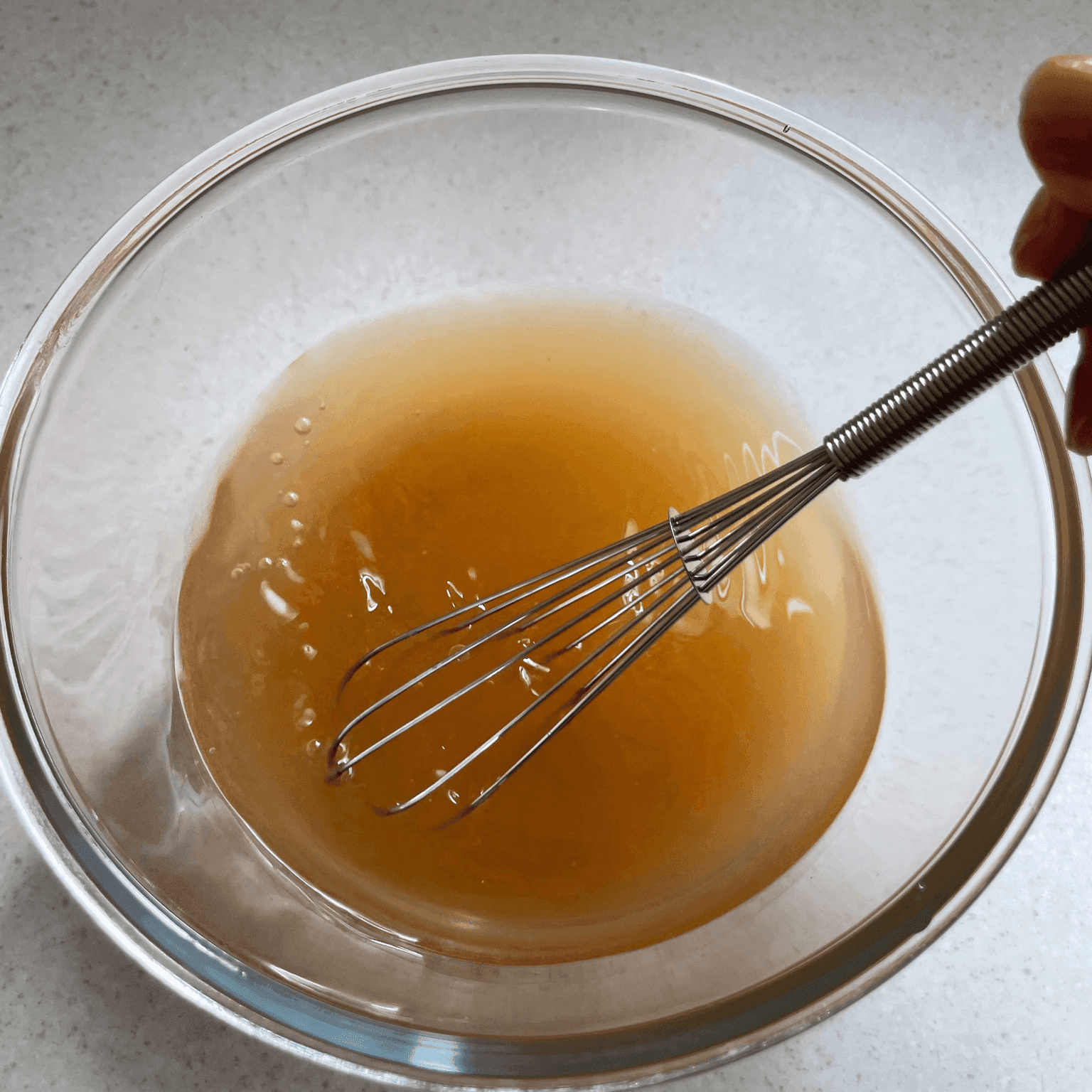
Make the sushi vinegar.
Combine the rice vinegar, sugar and salt. Stir well until the sugar and salt are fully dissolved. There is no need to heat it. If you have leftover sushi vinegar, keep it in a glass bottle or jar in the fridge. It should keep well for a couple of months.
- 3
Prepare your tools.
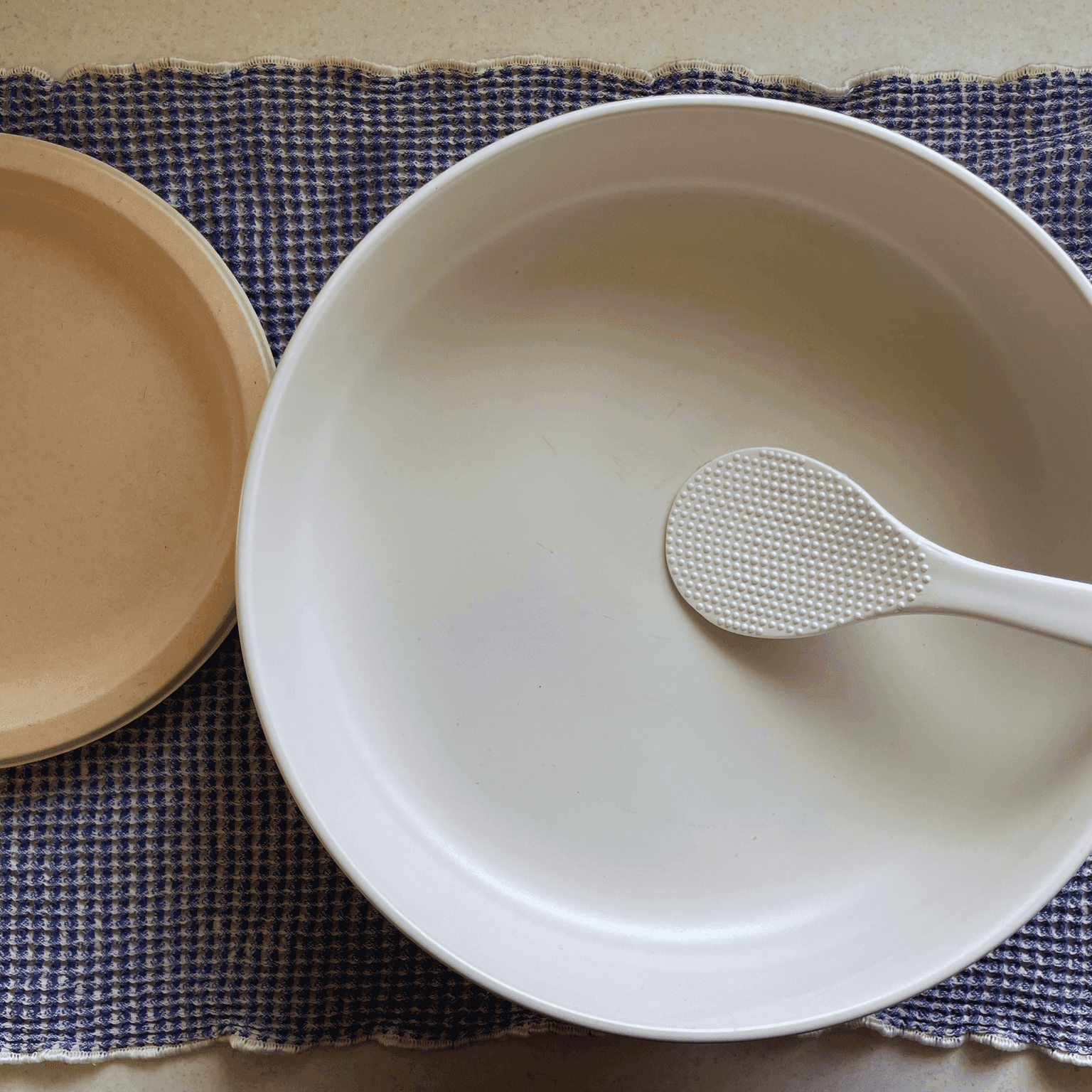
You will need a rice paddle and a large bowl. A wide, shallow bowl works well, and if you happen to have a traditional wooden sushi tub, that can be nice to use too because the larger surface makes it easier to mix the sushi vinegar evenly and cool the rice quickly. If you are using a wooden sushi tub, dampen it first, let it absorb a little moisture, then wipe away any excess water. It also helps to have something ready to fan the rice with, such as an uchiwa or even a paper plate, along with a damp cloth or cling wrap to stop the rice from drying out.
- 4
Add the sushi vinegar and cool the rice.
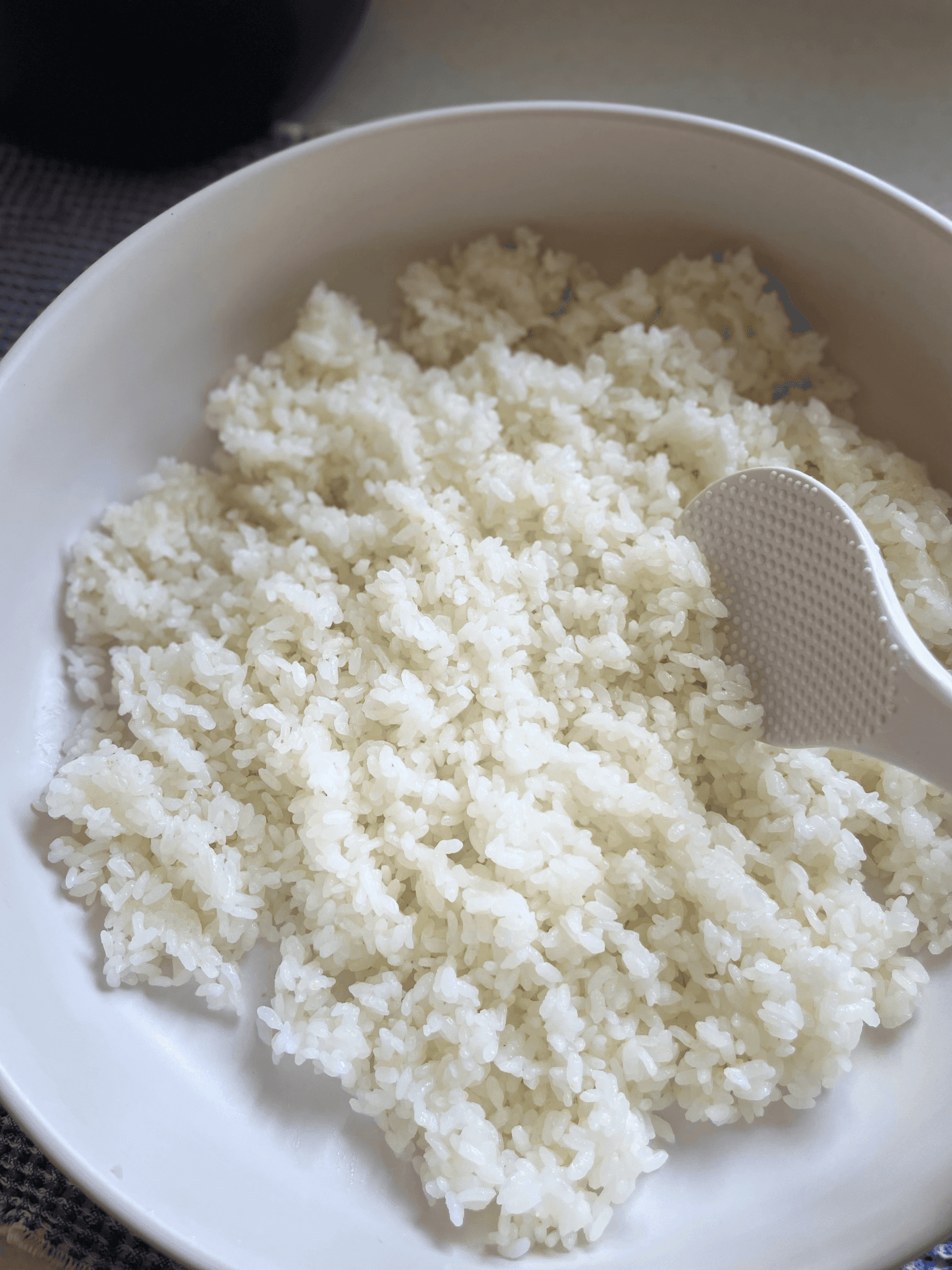
Transfer the freshly cooked rice to a large bowl. Pour the sushi vinegar evenly over the rice, letting it run down the rice paddle so it spreads more gently. Start mixing from the bottom with large, gentle movements. Once the vinegar is distributed, use a cutting motion with the paddle to break up any clumps. Try not to crush the grains, because you want the rice to stay fluffy and separate. As a general guide, about 10% of the cooked rice weight can be used for sushi vinegar. For example, 400 g of cooked rice would use about 40 ml of prepared sushi vinegar. As you mix, spread the rice out and cool it quickly with an uchiwa, or anything you can fan with, gently turning the rice now and then until it reaches about body temperature. This quick cooling helps give sushi rice its glossy finish.
- 5
Cover and keep at room temperature.
Once it has cooled, cover it with a damp cloth or cling wrap. Do not refrigerate it, because the rice will become firm. Keep it at room temperature until you are ready to use it.
Disclosure: This page may include affiliate links. If you make a purchase through these links, we may earn a small commission at no extra cost to you. Thank you for supporting TFJ.
Shop Ingredients for This Recipe
Tomoka's Note
If this is your first time making sushi rice, do not worry too much about getting it perfect straight away. Start by adding the sushi vinegar gradually, then taste and adjust until the rice feels balanced to you. Store-bought sushi vinegar is also very helpful, especially when you want something easy and reliable for a busy family meal. The one in the photo is a ready-made sushi vinegar I buy from Japanese grocery stores. I also like Spiral Organic Sushi Vinegar, which I sometimes see in local stores too. If you come across it, it is worth trying.
The sushi vinegar ratio in this recipe has a slightly stronger flavour, with a clear balance of tanginess, sweetness and saltiness. I think it works especially well for sushi rolls and hand rolls. For sweeter styles such as inari sushi, you may prefer to reduce the sugar and salt a little. Leftover sushi rice can become firm after refrigeration. You can gently warm it in the microwave or a steamer to soften it again. Sushi rice can feel a little tricky at first, but once you understand the balance of vinegar, sugar and salt, it becomes much easier.