
Disclosure: This post may contain affiliate links. If you purchase through these links, I may earn a small commission at no extra cost to you.
Thank you for supporting Table from Japan.
When I first moved to Australia, I thought I would need to go to a Japanese grocery store to cook Japanese food at home. But for many everyday dishes, it turned out to be much simpler than that.
You can often find the three basic seasonings for Japanese cooking - soy sauce, mirin and cooking sake - at supermarkets such as Coles, Woolworths and IGA, or even at local fruit and vegetable shops.
These three bottles are the base of many Japanese dishes, from teriyaki sauce to simmered dishes and noodle soup broth. Once you have them in your pantry, Japanese home cooking feels much more approachable.
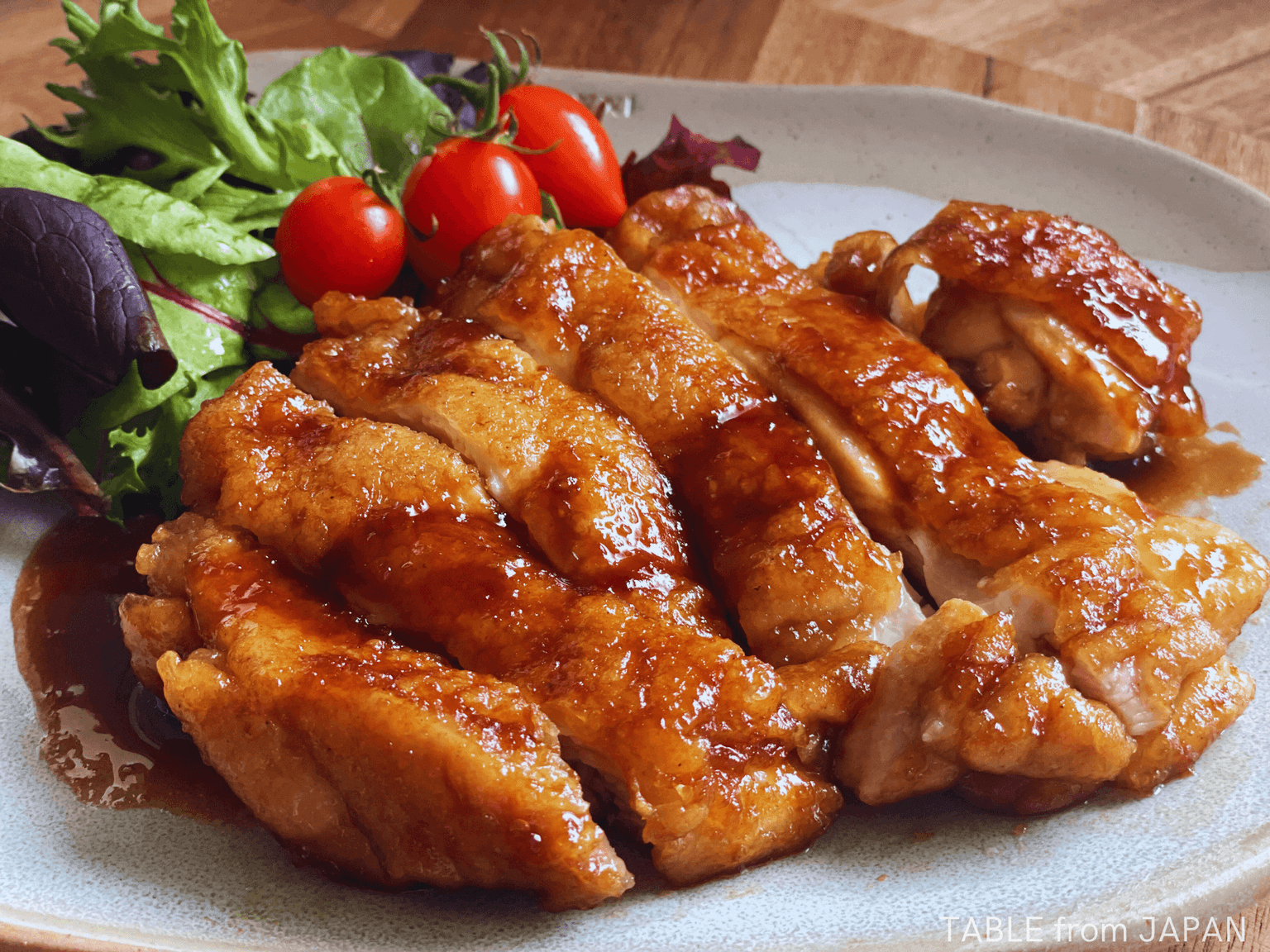
Teriyaki Chicken
Here is what to look for on your next supermarket trip.
Japanese soy sauce is made from soybeans, wheat, salt and koji. It has a balanced savoury flavour that works well in teriyaki sauce and everyday Japanese cooking.
For teriyaki sauce, try to choose a Japanese soy sauce if you can. The everyday type used most often in Japan is called koikuchi shoyu, and it is the standard soy sauce for many Japanese dishes.
In Australia, Japanese soy sauce is often available in the Asian foods aisle at major supermarkets, as well as at Japanese or Asian grocery stores.
You may also see reduced-salt soy sauce, gluten-free soy sauce or tamari. Tamari can usually be used in place of regular soy sauce, especially if you want to avoid wheat, but it has a richer, rounder flavour, so the sauce may taste a little different.
Mirin is a sweet rice wine used in Japanese cooking. It gives dishes a gentle sweetness, but it also adds shine and a rounded flavour that is hard to get from sugar alone.
In Australia, you will often see mirin-style seasoning in major supermarkets, usually in the Asian foods aisle. These are easy to find and work well for everyday home cooking, especially for dishes like teriyaki.
Hon mirin is the traditional style of mirin, made with glutinous rice, rice koji and shochu or alcohol. It has a richer, deeper flavour, but it is usually easier to find at Japanese grocery stores than at major supermarkets.
You may also find brewed cooking mirin at Japanese grocery stores, fruit and vegetable shops or smaller local grocery stores. These are not always labelled as hon mirin, but they usually have more depth than sweeter mirin-style seasonings.
For more about mirin, start here.
What Is Mirin? The Sweet Japanese Ingredient I Always Keep in My Pantry
Cooking sake is the last of the three, and it is a useful ingredient to keep on hand. It helps tenderise meat, soften fishy or meaty notes, and adds a gentle depth to the overall flavour of a dish.
In Japanese cooking, sake is often used in simmered dishes, marinades and sauces. You may not always notice it directly, but it helps make the overall flavour feel rounder and more balanced.
Cooking sake can sometimes be found in the Asian foods aisle at supermarkets, although it can vary by store.
One thing to keep in mind is that some cooking sakes sold in Australian supermarkets contain added salt. That is totally fine for everyday cooking, but it is worth checking so you do not accidentally over-season your dish.
If you want a different option, Japanese cooking sake is also often available at local grocery stores in Australia. It has a rich scent and a mild flavour, and it works well in everyday Japanese cooking.
Useful pantry picks
Where to Buy | Shop List
The real magic is in how these three ingredients work together. Teriyaki sauce is a simple example. At its most basic, it is just:
- soy sauce
- mirin
- sake
(I often use a little honey as well.)
When these ingredients come together, the flavour is deeper and more balanced than anything you get from most store-bought teriyaki sauces.
Once you have soy sauce, mirin and cooking sake, teriyaki sauce becomes very simple. It is just a small mix of pantry ingredients, but it can make a home-cooked meal feel much more Japanese.
I hope this helps you look at those three bottles in the supermarket a little differently next time.
- Tomoka