
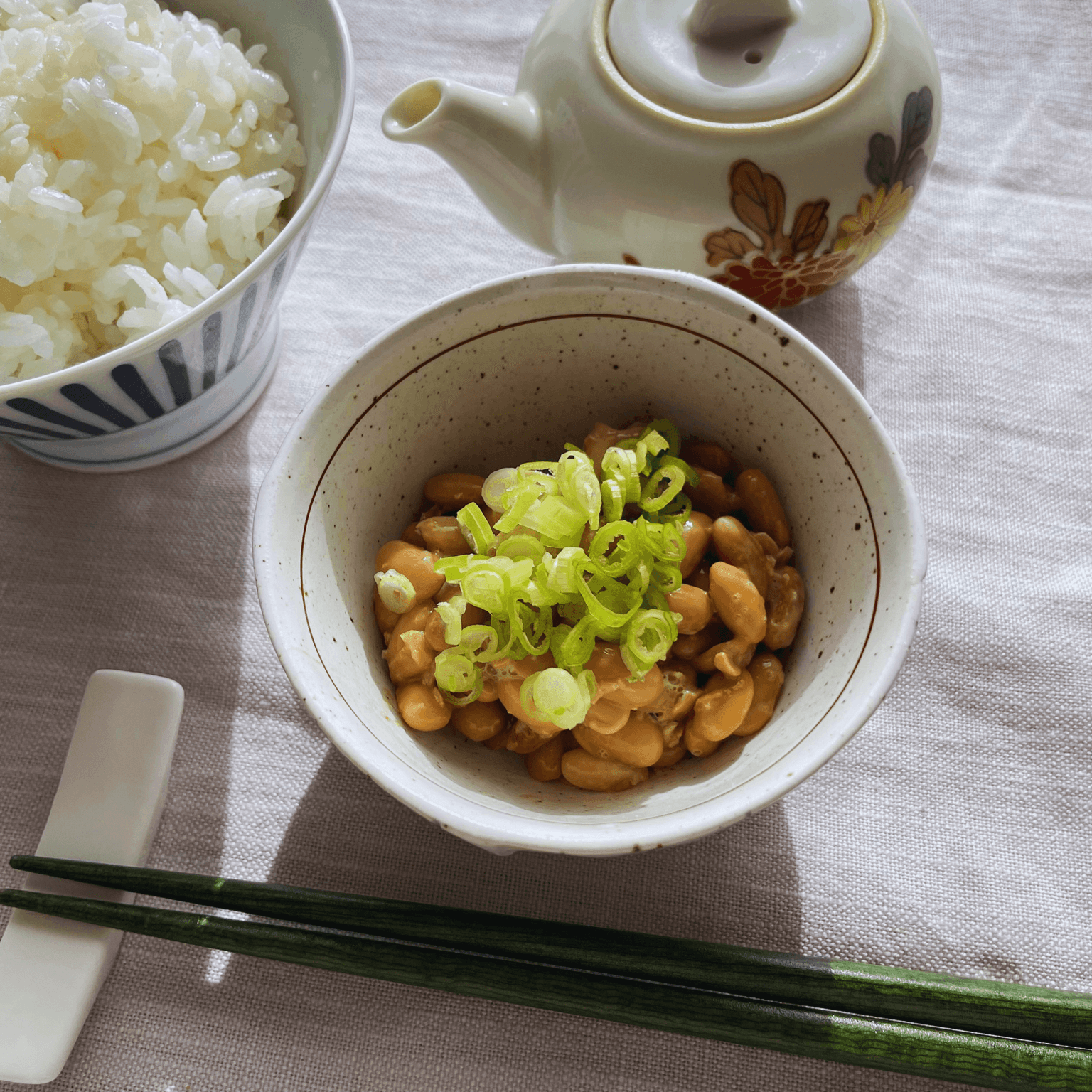
After becoming a parent, I started noticing that quite a few Japanese families I know make natto at home. When another Japanese mum shared some of her homemade natto with me, it tasted so fresh and delicious that I decided to try making it myself here in Australia.
This was my first time making natto. I used a yogurt maker, frozen natto as the starter and dried soybeans. It took patience and clean equipment, but once I understood the steps, it was more straightforward than I expected. Here, I’m sharing the method I used and what I learned along the way.
Natto is fermented soybeans, usually eaten with warm rice. It has a sticky, stringy texture and a strong savoury aroma. For many Japanese people, it is a familiar food from childhood, and that sticky texture is part of what makes it delicious.
If you did not grow up with natto, though, the smell and texture can feel surprising at first. I think it may be a little like how I felt when I first smelled Vegemite in Australia. It was unfamiliar to me, but for many Australians it is a normal, comforting taste from childhood.
We eat natto often at home, and my children love it too. In Australia, I usually need to visit a Japanese grocery store to buy it, which is not part of my everyday shopping. The cost can also add up over time.
A small amount of dried soybeans makes a generous batch that I can portion and freeze for easy natto rice. More than anything, I was curious to see whether it would work and how homemade natto would compare with the packaged kind.
There are six main stages to making natto:
- Wash the soybeans
- Soak the soybeans
- Cook the beans until very soft
- Mix the hot beans with the natto starter
- Keep the beans warm to ferment
- Rest the finished natto in the fridge
- 250 g dried soybeans
- About 1/3 pack frozen natto, used as the starter
- A small splash of boiling water
For the soybeans, I usually buy dried soybeans from Japanese grocery stores, or order organic soybeans online. You may also find them at wholefood shops or health food stores in Australia. You can use my Japanese grocery shop list by city to find a store near you.
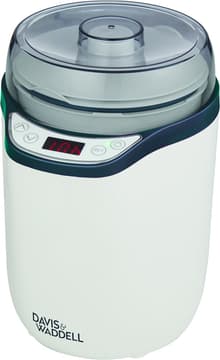
- A yogurt maker
- A large pot for cooking the soybeans
- A clean spoon
- Paper towel or a clean kitchen cloth
A yogurt maker is useful because natto needs steady warmth for a long time.
Yogurt maker I use
Put the dried soybeans in a large bowl and wash them well, rubbing them gently between your hands but not so hard that the skins break. A few loose skins are fine; remove any that float to the surface.
Dried soybeans swell a lot, so soak them in a large bowl with plenty of water. For 250 g dried soybeans, 1 litre or more is a good guide.
Soak them for at least 15 hours. Once fully soaked, the beans will change from round to plump and oval. For this batch, I soaked them at room temperature for about 18 hours in June.
Drain the soaking water, then put the soybeans in a pot with fresh water and bring to the boil. When white foam rises to the surface, reduce the heat to medium and skim off the main foam with a ladle.
Lower the heat to a gentle simmer and cover the surface with paper towel like a simple drop lid. Stir gently from the bottom occasionally to prevent the beans from sticking, and add boiling water if the beans begin to rise above the surface.
Cook until the beans are very soft. When using a pot, allow about 3–4 hours; my batch took about 3 hours. They are ready when you can press one easily between your fingers. For natto, slightly too soft is better than too firm.
Before the beans finish cooking, pour boiling water over the container, spoon and any utensils that will touch the beans. Let them drain on a clean surface and have everything ready.
Place about one-third of a frozen natto pack in the clean container. Add a small splash of boiling water and stir until the natto loosens and breaks up.
Drain the cooked soybeans while they are still hot, add them to the starter and mix well so the beans are evenly coated.
Place the container in the yogurt maker. Cover it with kitchen paper or a clean kitchen cloth, then rest the yogurt maker lid on top without closing it tightly so air can circulate.
My yogurt maker has a natto setting, so I followed the manufacturer’s instructions and fermented the beans at 42°C for 24 hours.
Once the 24-hour fermentation is complete, seal the container and move it to the fridge. Let the natto rest for 1–2 days before eating. I found that the aroma was still quite sharp after one day, so I let this batch rest for two days.
After two days, the aroma was more settled and the flavour was gentler. The beans had a thin whitish film, the familiar natto smell and became sticky when stirred. My honest first thought was, “This is delicious.”
Portion the natto into airtight containers and keep it in the fridge, or freeze it for longer storage. To use frozen natto, move one portion to the fridge beforehand and let it thaw gently rather than heating it.
Small glass containers with lids I use

Silicone lids I use

The simplest way is with warm Japanese rice. Put the natto in a small bowl, add soy sauce or tare, then mix well with chopsticks until it becomes sticky and stringy.
I usually make a simple tare by gently simmering a little soy sauce and mirin together, then letting it cool. I also like adding sliced spring onion.
Making natto at home takes a little planning, but I was very happy with how this first batch turned out.
- Tomoka
FAQ
Is natto healthy?
Natto is a fermented soybean food and a source of protein and vitamin K. If you take warfarin or have been advised to manage your vitamin K intake, speak with your doctor or pharmacist before eating natto regularly.
Why are the soybean skins coming off?
A few loose skins are normal. Keeping the beans at a gentle simmer and stirring carefully can help prevent more skins from coming off. I fermented the loose skins together with the beans.
Do I need a yogurt maker?
You need a reliable way to keep the beans at a steady warm temperature during fermentation. I find a yogurt maker the easiest option because it keeps the temperature stable for the full 24 hours.
How do I know if something went wrong?
Finished natto should have its familiar fermented aroma, a thin whitish coating and sticky strings when stirred. If you see visible mould, notice a rotten or clearly unpleasant smell, or feel unsure about the batch, discard it without tasting it.