
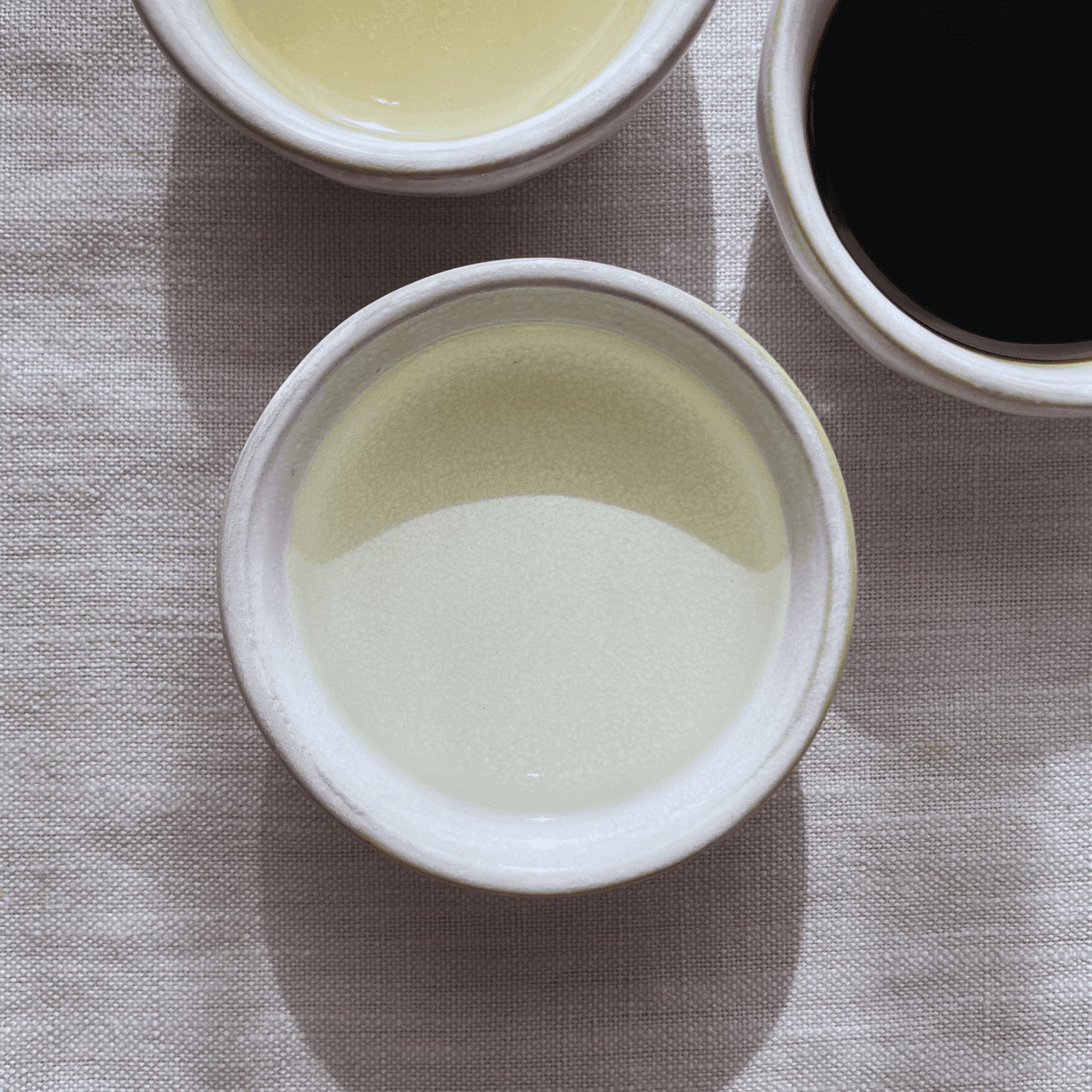
Japanese cooking sake is one of those quiet pantry ingredients that makes Japanese home cooking taste more rounded. It is not usually the loudest flavour in a dish, but it helps sauces, marinades and simmered dishes come together.
If you are beginning a Japanese pantry in Australia, cooking sake is useful once you are ready to cook familiar dishes such as teriyaki chicken, gyudon and simple simmered dishes.
Cooking sake, or ryori-shu, is sake used for cooking. It is made from rice and adds a mild aroma to food. Rather than standing out as a strong flavour, it helps Japanese seasonings taste more connected.
This is why I like using it with meat, fish and soy-based sauces. It helps the seasoning settle into the dish instead of tasting separate.
- Adds a gentle aroma and savoury depth
- Helps soften unwanted aromas from meat and fish
- Rounds out soy-based sauces and simmered dishes
- Works with mirin, soy sauce and sugar to create balanced Japanese flavour
Cooking sake and mirin are often used together, but they do different jobs. Cooking sake helps soften the smell of meat or fish, and in marinades it can help tenderise meat and make the seasoning sink in more easily. Mirin adds sweetness and gloss, and gives sauces a softer finish.
Look for a bottle labelled Japanese cooking sake, cooking sake or ryori-shu. Japanese grocery stores and Asian grocers are good places to check, and some local grocery shops may carry brands such as Carwari or Spiral.
If you see Obento brand cooking sake at a supermarket, it can also be a convenient and easy-to-find option for getting started. For any brand, check the label because some cooking sake products contain added salt.
Drinking sake can be used for cooking, but you do not need an expensive bottle. Cooking sake is made for everyday cooking and is usually more practical.
Helpful pantry pick
I often use cooking sake at the beginning of cooking, especially with meat or fish. For meat, I add it to marinades or use it early in cooking to help tenderise the meat and let the seasoning settle in. For fish, I sometimes sprinkle it over the surface before cooking, then pat away any moisture before grilling or simmering.
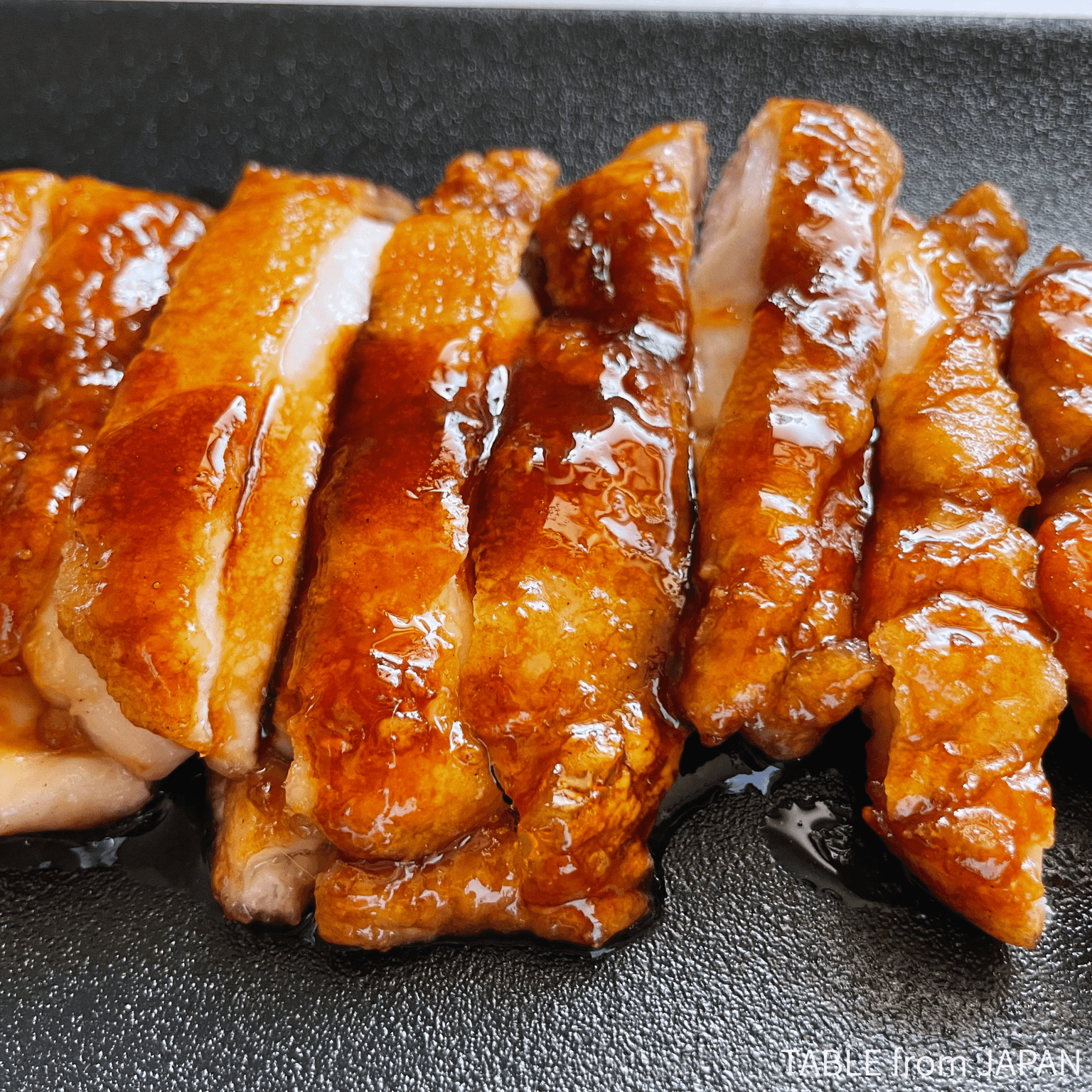
Teriyaki Chicken
A familiar way to use cooking sake with soy sauce and mirin.
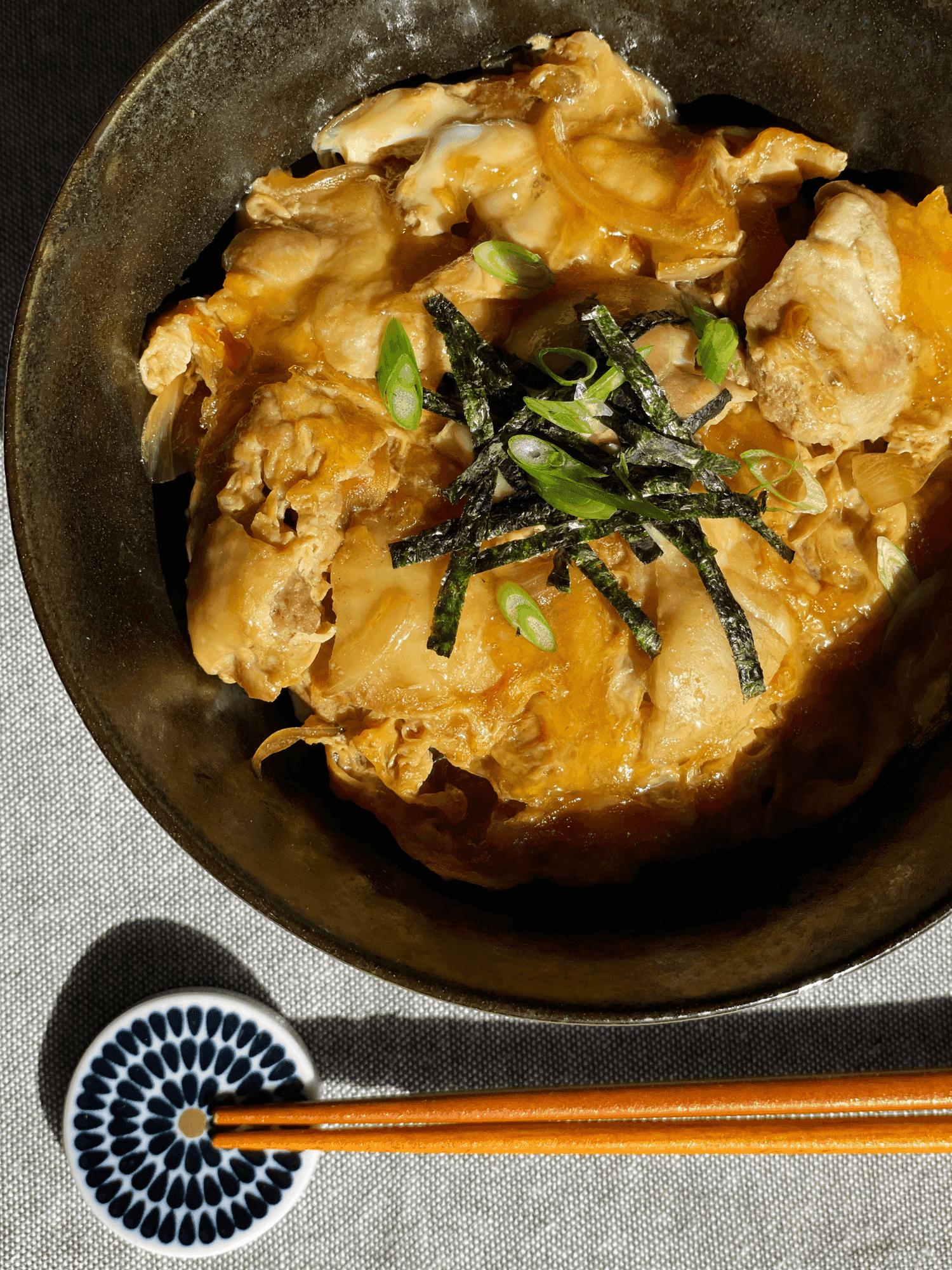
Oyakodon
A gentle chicken and egg rice bowl where sake helps round out the sauce.
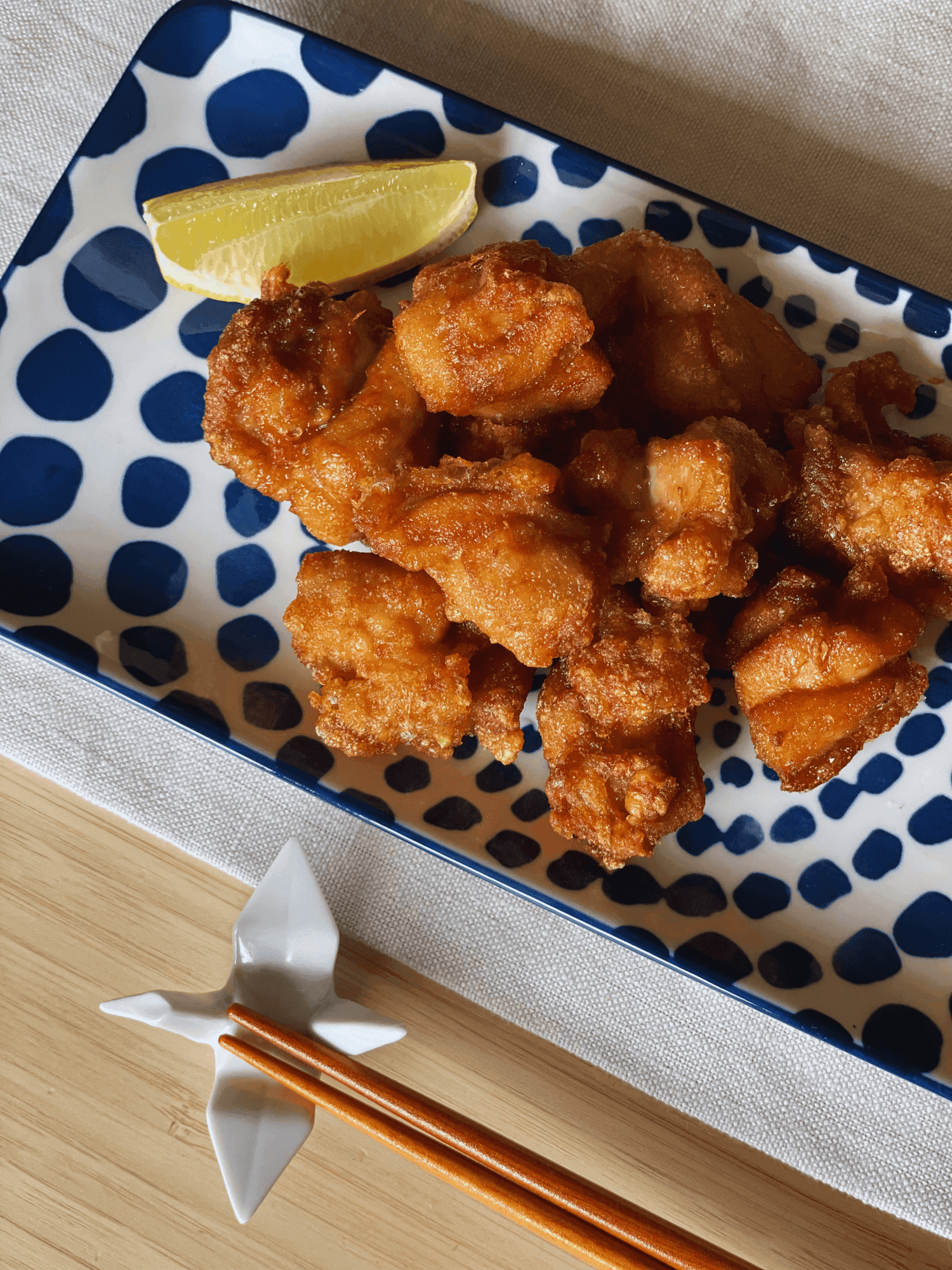
Japanese Fried Chicken Karaage
Cooking sake is useful in the marinade, helping the chicken taste rounded before frying.
For everyday cooking, I keep cooking sake in the pantry with soy sauce and mirin. Once you have those three ingredients, many Japanese sauces and simmered dishes become much easier to put together.
FAQ
Can I use drinking sake for cooking?
Yes. Plain drinking sake can be used for cooking, but you do not need anything expensive. For everyday recipes, a simple cooking sake is usually more practical.
Can I skip cooking sake?
You can still cook many recipes without it, but the flavour may feel a little flatter. If you are building your pantry slowly, start with soy sauce and mirin, then add cooking sake when you are ready.
What if my cooking sake contains salt?
Some cooking sake has added salt, and that is quite common. I do not worry too much about it for everyday cooking, but I taste the dish before adding extra soy sauce or salt.
I keep a city-by-city shop list for Japanese groceries in Australia, which is a good place to start if you are not sure where to look. Cooking sake is usually something I would check at Japanese or Asian grocery stores first.