
Buying Japanese pantry ingredients can feel exciting at first, but once the bottles are in your pantry, the question becomes: what should I actually make with them next?
You might buy Japanese seasonings because there is already a recipe you want to make. Once you have mirin, cooking sake, miso, dashi packs or soy sauce at home, a few everyday meals can help you keep using them.
It is completely fine if you do not use every ingredient straight away. Start with one meal that already feels familiar, then let the same pantry staples show up again in another dish later in the week.
If you have soy sauce, mirin and cooking sake, rice bowls are one of the easiest places to begin. These ingredients create the sweet-savoury base used in many donburi-style dishes.
- Use soy sauce as the savoury base for the rice bowl sauce.
- Use mirin to soften the sauce and give it a gentle sweetness.
- Use cooking sake near the beginning of cooking so the meat feels more tender and the seasoning settles in.
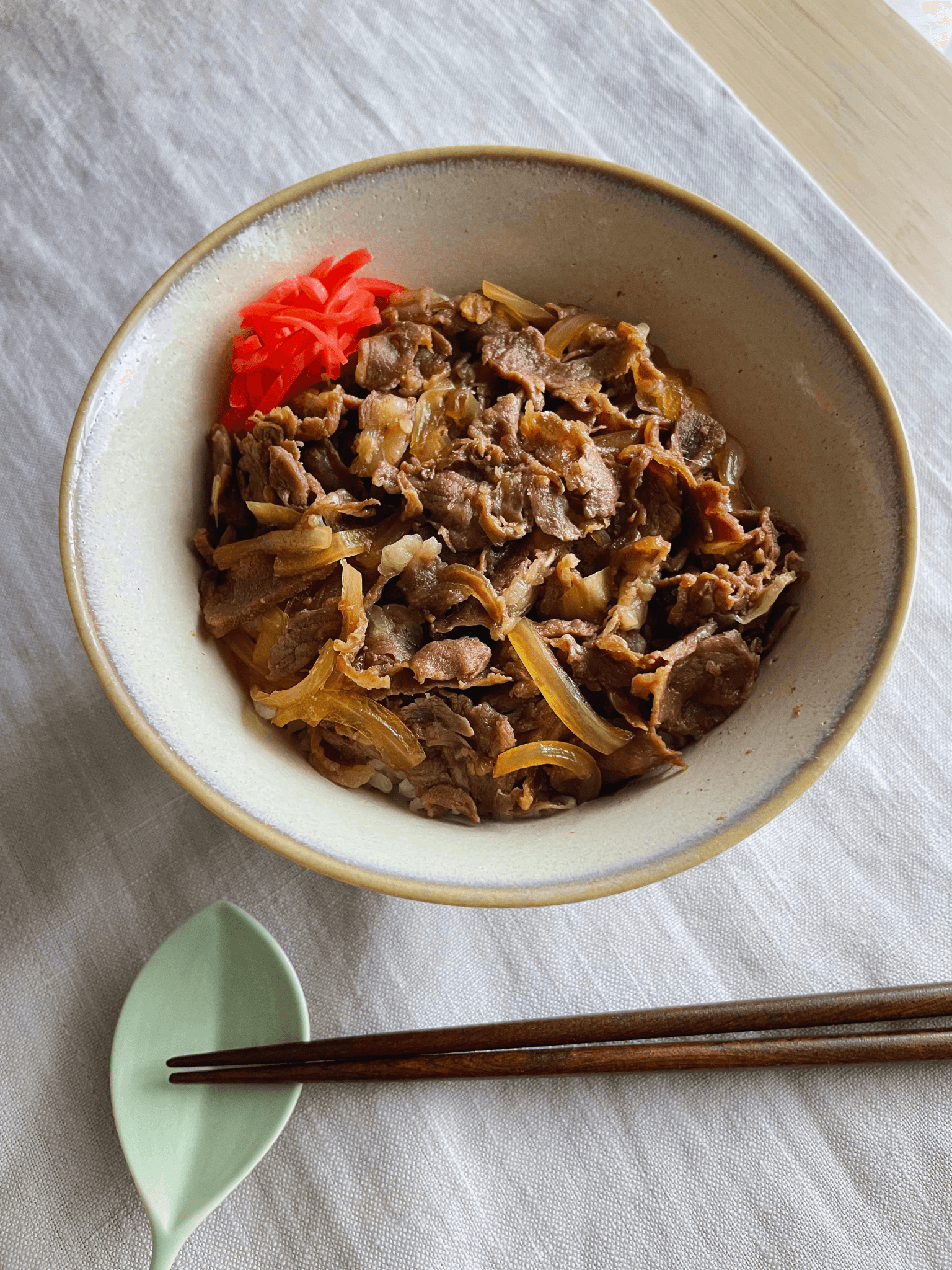
Gyudon
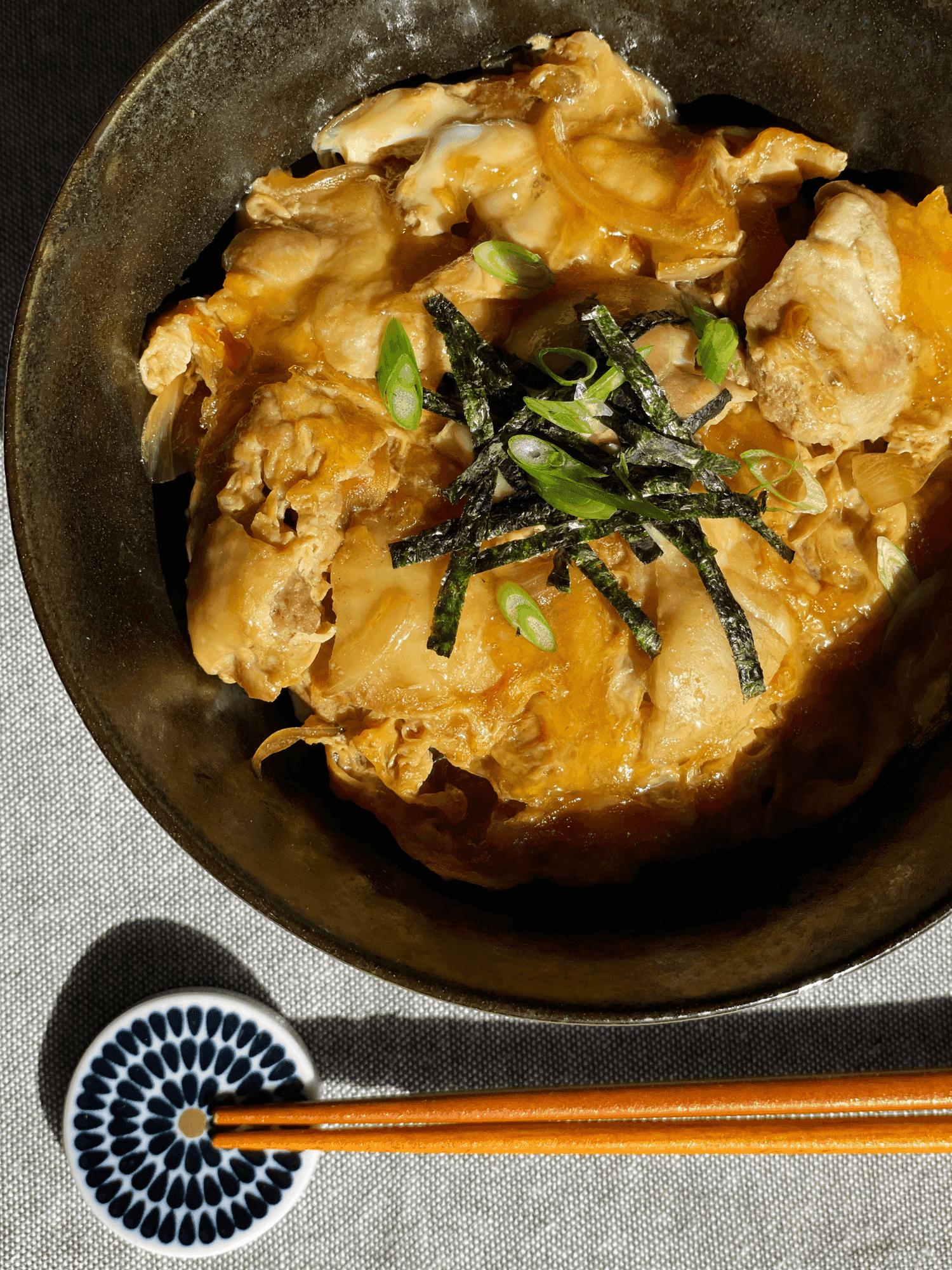
Oyakodon
If you have miso and dashi, start with soup. Miso soup is a useful habit because it can sit beside rice bowls, grilled fish, curry or simple side dishes. If dashi packs still feel like an extra step, this tonjiru recipe is another comforting soup to try because it does not use dashi.
- Use dashi as the light savoury base.
- Add miso at the end so the flavour stays rounded.
- Keep the first version simple with tofu, wakame or spring onion.
- Try this tonjiru recipe if you want a miso soup that tastes good without using dashi.
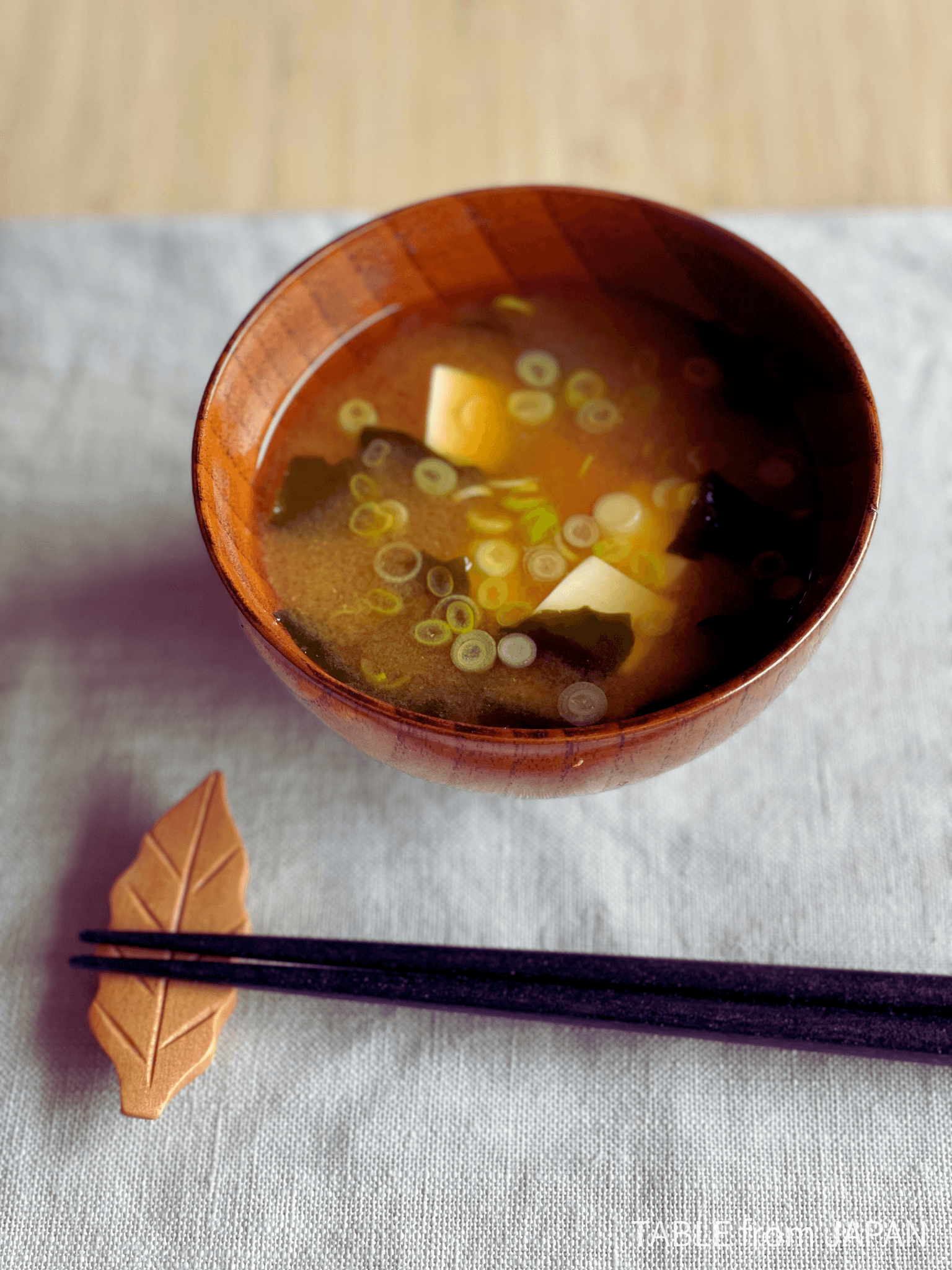
Miso Soup
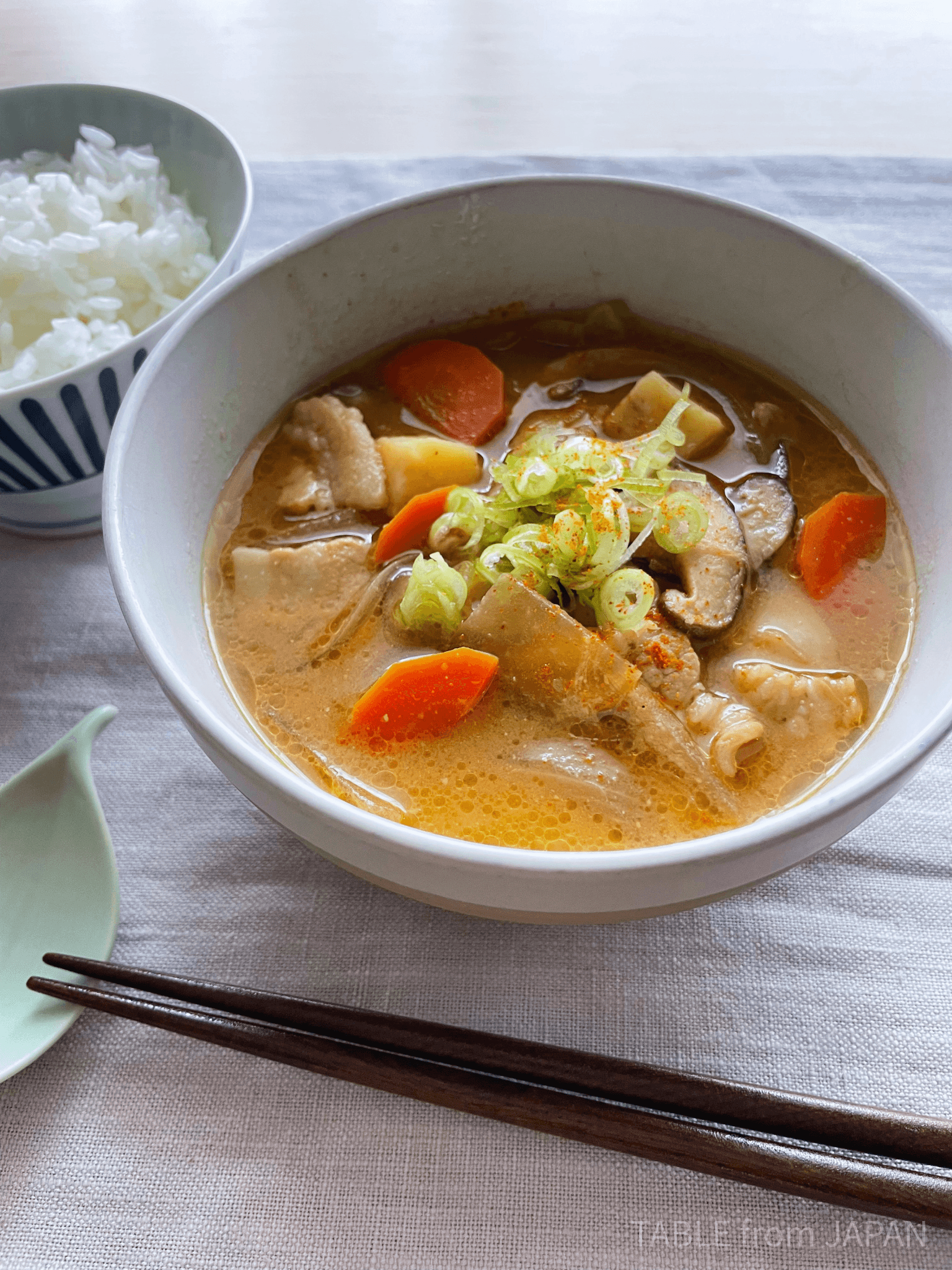
Tonjiru
Once you have one meal idea, a small side dish or an easy main is a good way to keep using the same ingredients.
- Use soy sauce for a quick cucumber side.
- Use miso with mirin or honey for a sweet-savoury glaze.
- Use cooking sake in marinades for dishes like karaage.
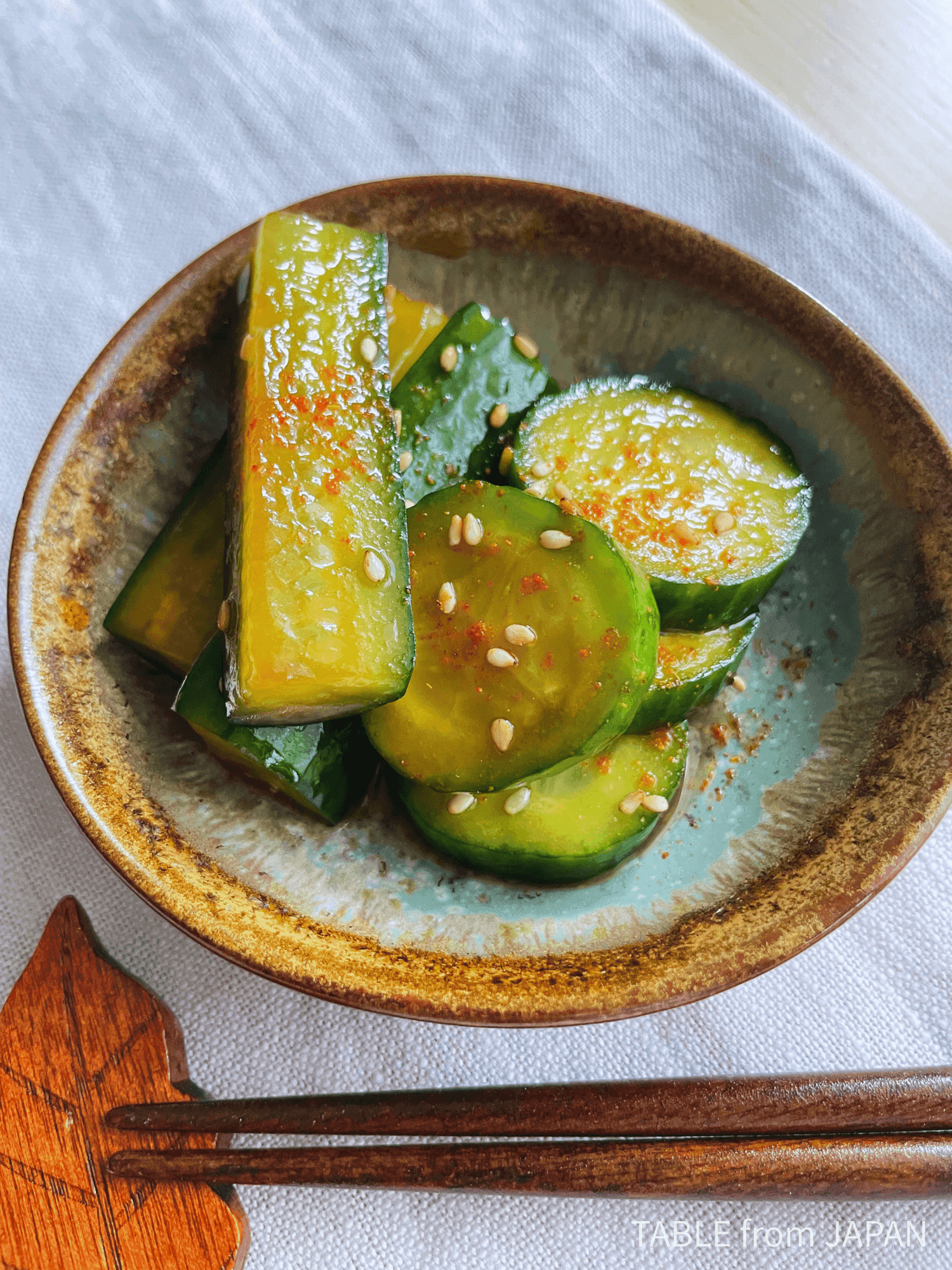
Japanese Soy-Marinated Cucumbers
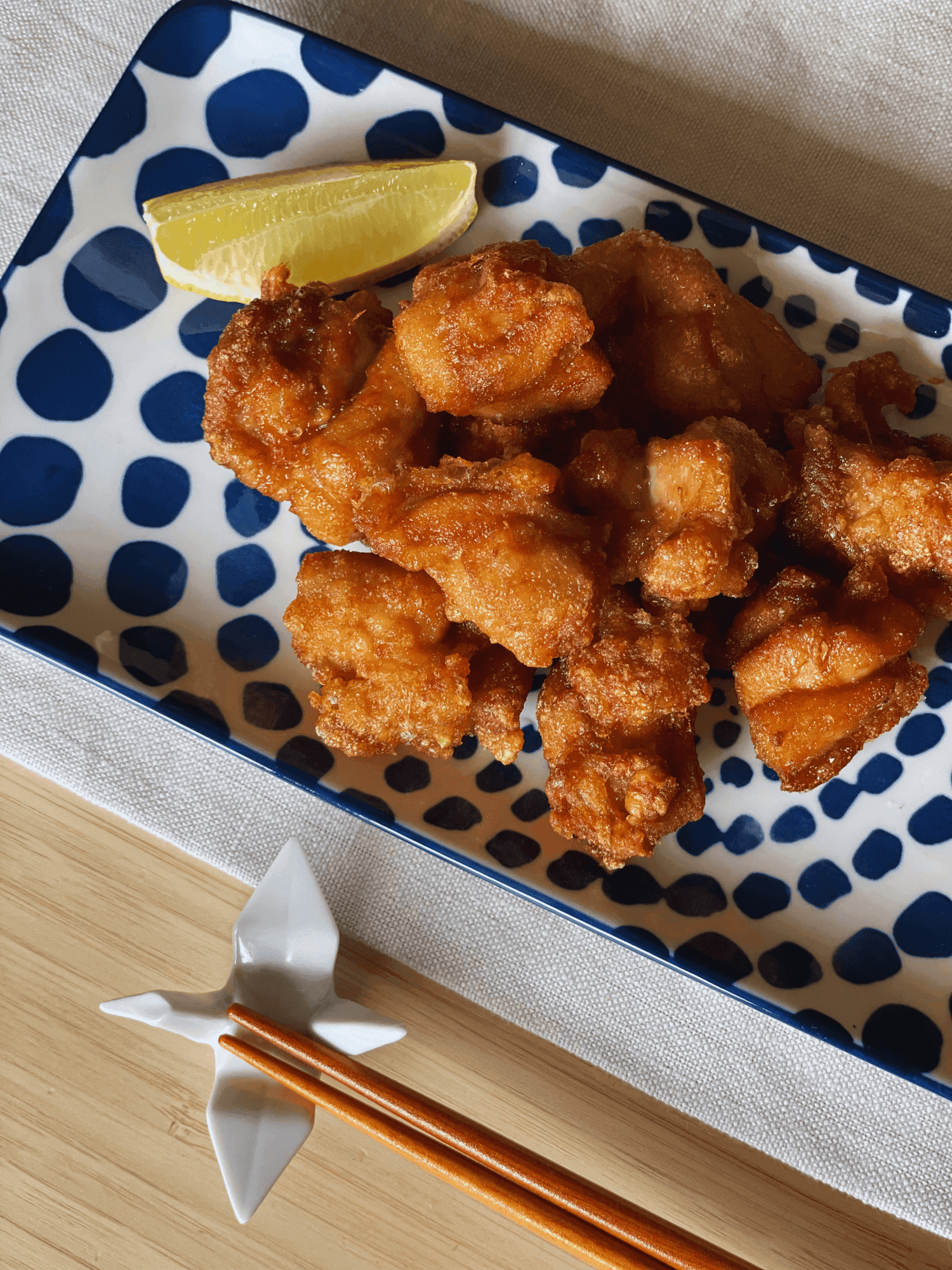
Karaage (Japanese Fried Chicken)
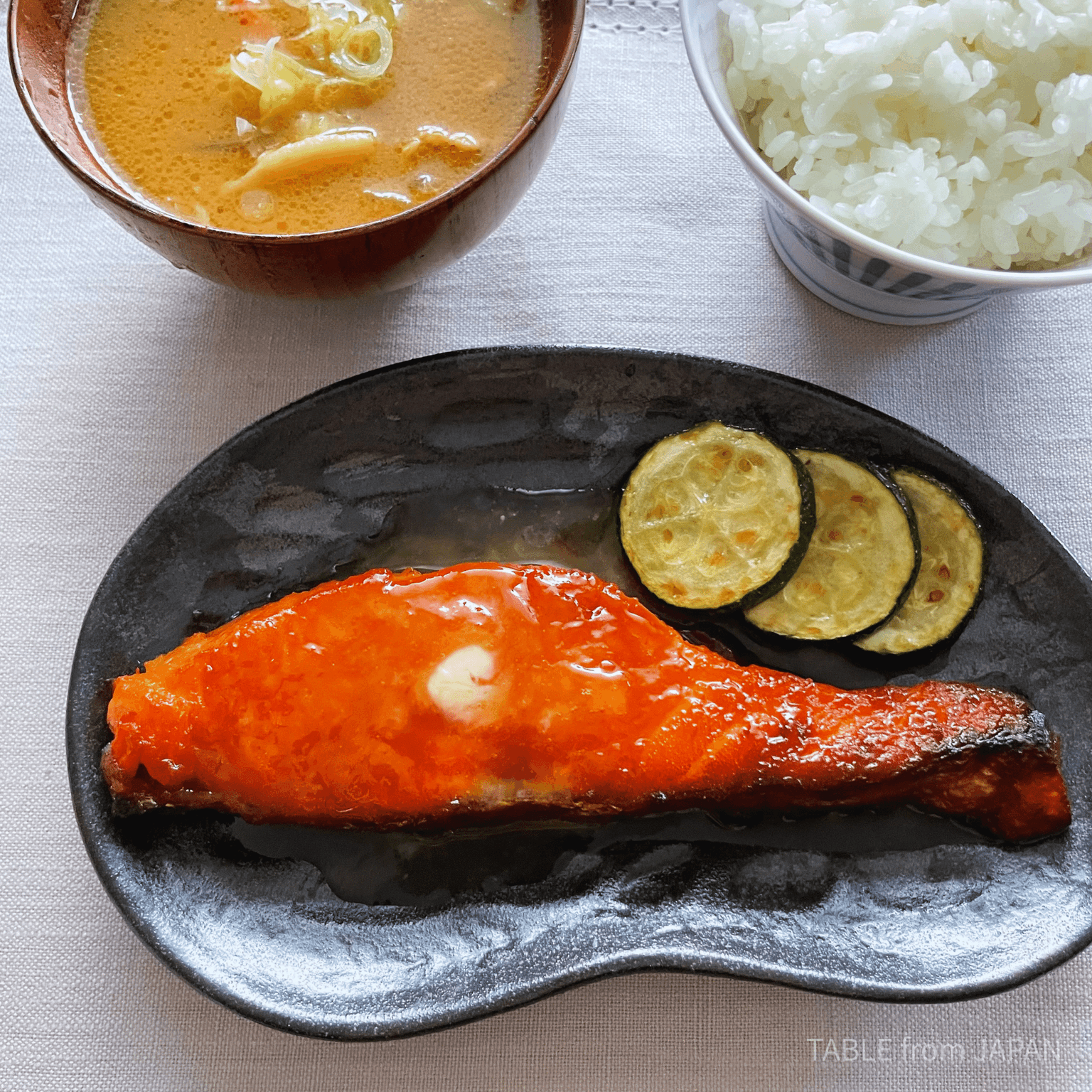
Miso Salmon
Here is one simple way to let the same pantry staples appear across a few meals.
| Meal idea | Pantry staples you will use |
|---|---|
| Miso soup with rice | Miso and dashi |
| Gyudon or oyakodon | Soy sauce, mirin and cooking sake |
| Soy-marinated cucumbers | Soy sauce, vinegar and sesame oil |
| Miso salmon | Miso, mirin or another sweetener |
| Tonjiru | Miso, without dashi |
If you are still looking for Japanese pantry ingredients locally, this shop list can help you find Japanese grocery stores and stores that carry Japanese cooking ingredients in Australia.