
If you have looked for mirin in Australia, you may have seen several different labels. Supermarkets often stock mirin-style seasoning, Japanese grocery stores may carry hon-mirin, and bottles at local Asian grocers may simply be labelled mirin.
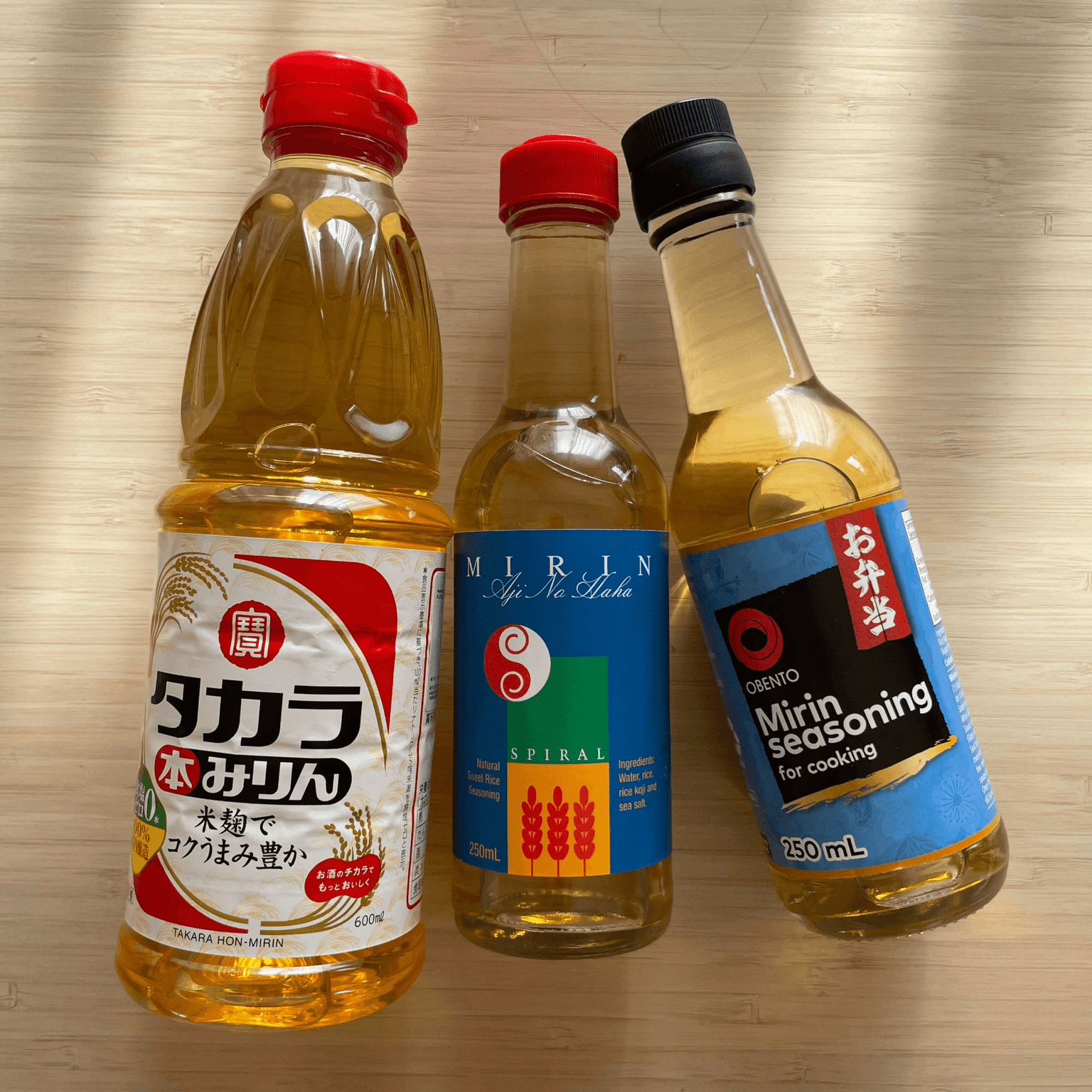
These products can all be useful, but their ingredients, alcohol content and best uses are not quite the same.
This guide explains the main differences and how I choose mirin for everyday Japanese cooking in Australia.
Hon-mirin is a traditional Japanese rice wine for cooking, usually made from glutinous rice, rice koji and shochu or brewing alcohol. Its fermentation and ageing create mellow sweetness, aroma and gentle umami.
It is useful in cooked dishes when you want rounded flavour, a glossy teri finish and help softening strong aromas from meat or fish.
Mirin-fu, or mirin-style seasoning, is made to be convenient. It is often blended from sweeteners such as glucose syrup, rice-based seasoning and acidulants. It usually has less than 1% alcohol, so it is not treated the same way as alcoholic mirin.
It adds sweetness and shine, making it a practical option for quick sauces, dressings and everyday Japanese home cooking.
Besides hon-mirin and mirin-style seasoning, there is also mirin-type or fermented seasoning, which I often see at local grocery stores from brands like Spiral. Hon-mirin is the traditional choice, mirin-style seasoning is the easy low-alcohol option, and mirin-type fermented seasoning can be used in a similar way to hon-mirin for cooked dishes because it contains alcohol.
| Feature | Hon-mirin | Mirin-style seasoning | Mirin-type / fermented seasoning |
|---|---|---|---|
| Alcohol | Around 14% | Usually less than 1% | Often around 10% |
| Typical base | Glutinous rice, rice koji, shochu or brewing alcohol | Sweeteners, rice-based seasoning and acidulants | Sweeteners, rice and rice koji-based seasoning, salt and alcohol |
| Main role | Depth, aroma, gloss and balance | Sweetness, shine and convenience | Alcohol effect, mellow sweetness and everyday cooking use |
| Best for | Cooked dishes, teriyaki and simmered dishes | Dressings, quick sauces and everyday use | Cooked dishes, sauces and simmered dishes |
| What to note | No added salt in typical hon-mirin | Very low alcohol and easy to use as-is | Often contains a little salt, so adjust seasoning as you cook |
The best choice depends on how you cook. Mirin-style seasoning is convenient for quick sauces and dressings, while hon-mirin or a brewed mirin-type seasoning is a useful choice for cooked dishes when you want more aroma and depth.
Helpful pantry pick
In Melbourne, I often see Spiral in local fruit and veg shops or smaller grocery stores. It is labelled as sweet rice seasoning, and I think it falls into the mirin-type / fermented seasoning category. If you cannot easily find hon-mirin, this type of mirin is a practical pantry option. It contains alcohol, so it works well in cooked dishes.
There is also Carwari, which is a good option and is labelled as sweet cooking rice wine.
For my everyday cooking in Australia, I often choose a brewed mirin-type seasoning because it is practical to find and works well in cooked dishes. If you prefer a low-alcohol option or mainly make quick sauces and dressings, mirin-style seasoning is also a useful place to begin.
How to Store Hon-Mirin
Hon-mirin contains alcohol and quite a lot of natural sugar. I usually keep it in a cool, dark pantry away from direct sunlight. I do not usually keep hon-mirin in the fridge, because the sugar can crystallise in a cold place.
How to Store Mirin-fu
Mirin-fu has very little alcohol, so it does not keep in the same way as hon-mirin. After opening, I would keep it in the fridge and use it within a reasonable time.
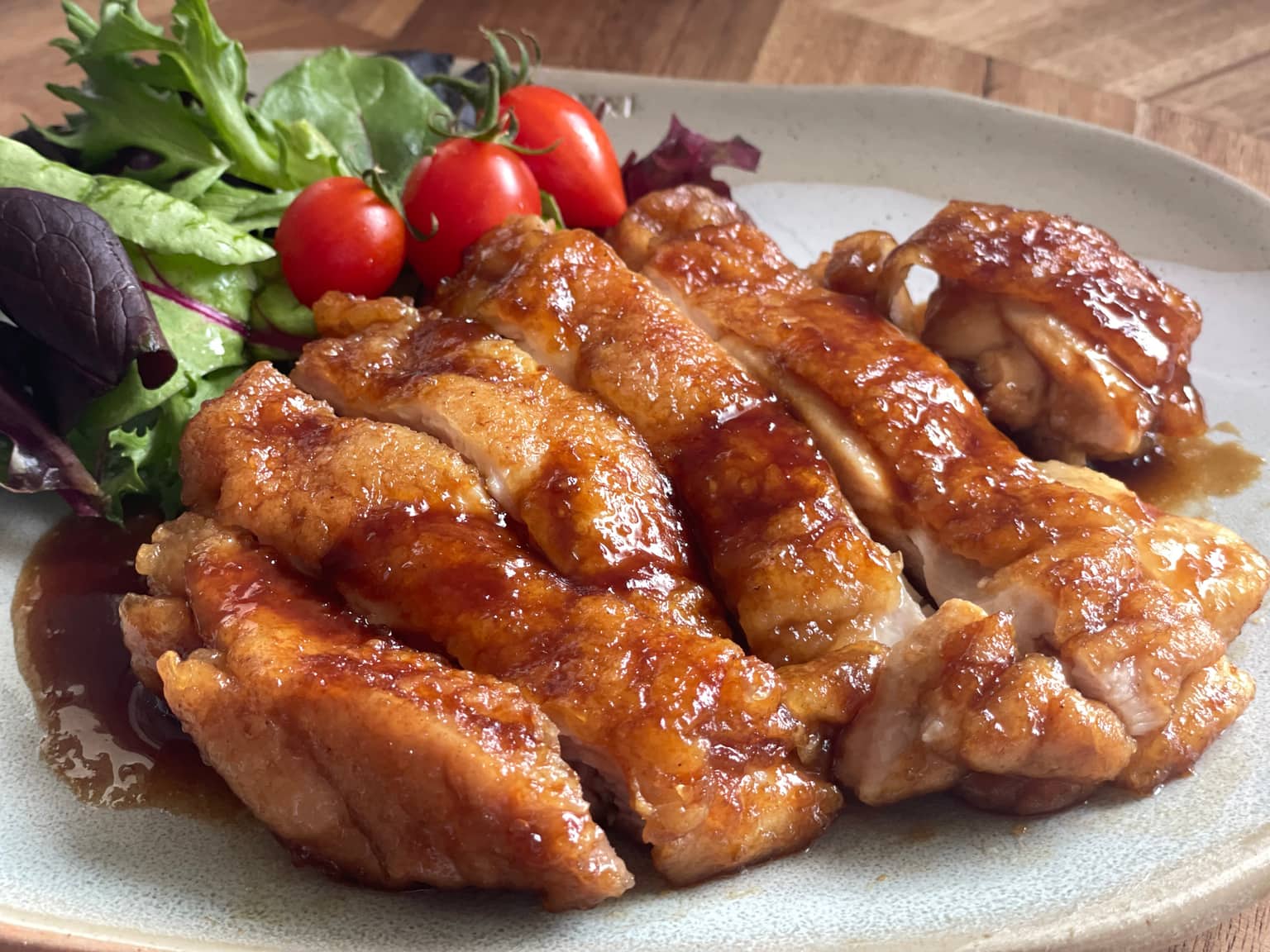
Teriyaki Chicken
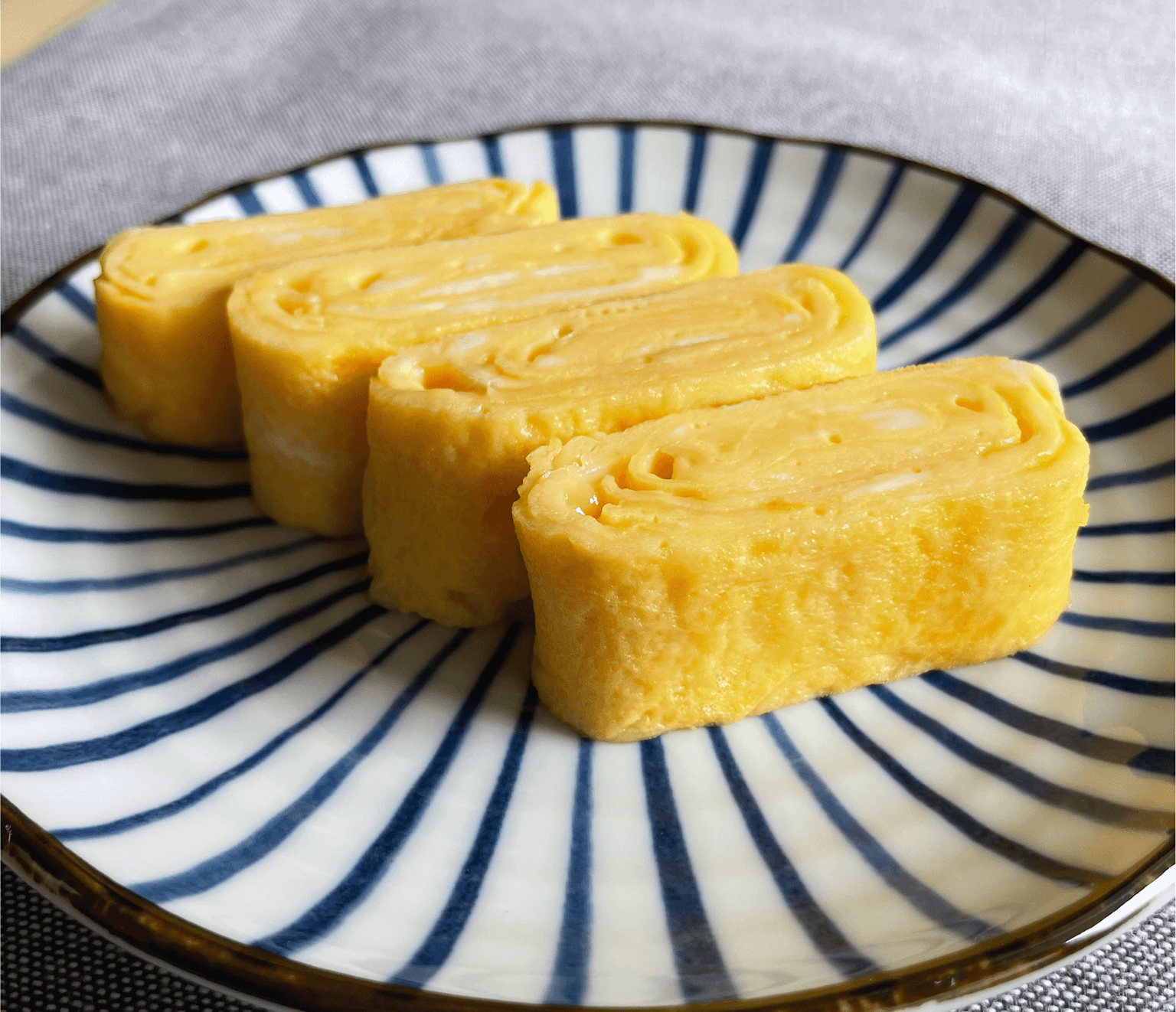
Tamagoyaki
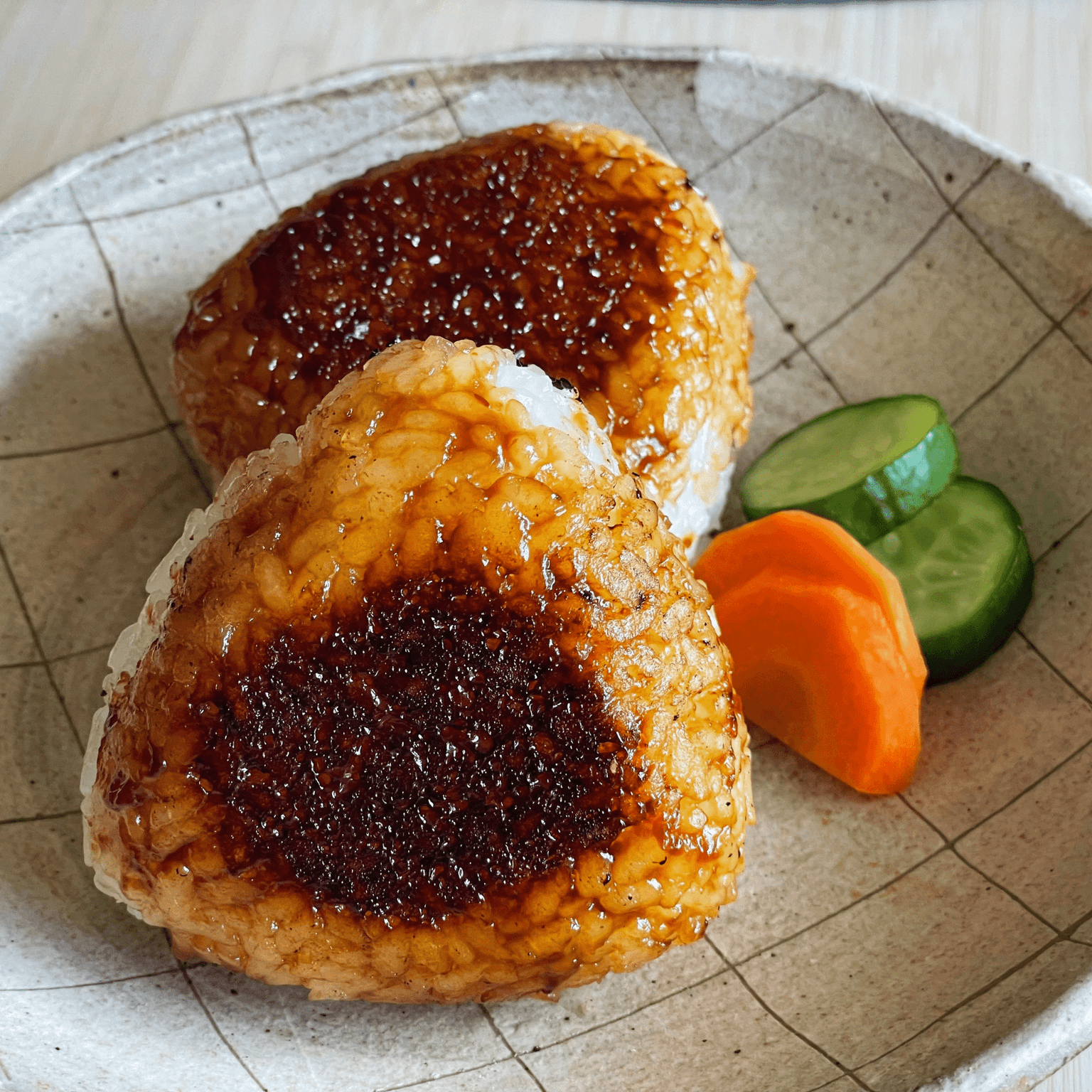
Miso Yaki Onigiri
Choose the type that suits the way you cook and the shops available to you. You can begin with an accessible bottle, then explore hon-mirin later if you want a deeper aroma and more traditional finish.
If you are new to this ingredient, start with What Is Mirin? for a simple explanation of what it does in everyday Japanese cooking.
— Tomoka