
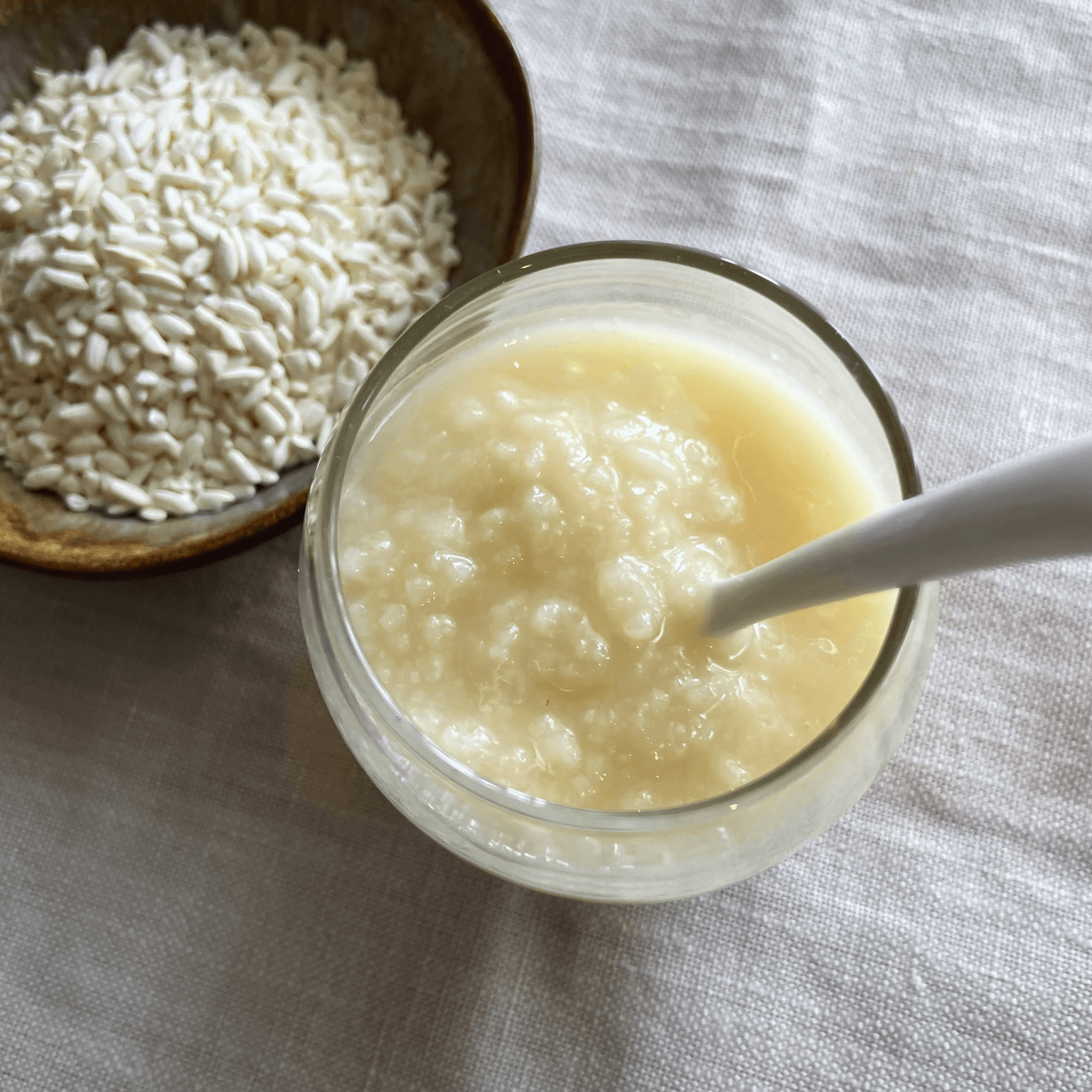
If you have ever cooked Japanese food with miso, soy sauce or mirin, you have already tasted the flavours that koji helps create, even if you have never bought koji itself.
Koji may sound like a specialist fermentation ingredient, but it is part of many everyday Japanese seasonings. Once you know what it is, Japanese pantry ingredients start to make more sense.
In simple home-cooking terms, koji is rice, barley or soybeans that have been prepared with koji mould. For everyday Japanese cooking, rice koji is the type you are most likely to come across.
Koji is not usually used like a spice or herb that you sprinkle into a dish. In Japanese cooking, it is often part of fermentation, helping simple ingredients slowly develop sweetness, umami and depth.
There are different kinds of koji depending on the base ingredient. Rice koji is made with rice and is often used to make shio koji, sake and some types of miso. Barley koji is used for barley miso, while soybean koji is used in some types of miso and soy sauce.
Shio koji is a salty rice-koji seasoning often used in everyday cooking. There is also amazake, a naturally sweet rice-koji drink that has long been enjoyed in Japan.
Koji produces enzymes that break down starches and proteins, helping ingredients develop natural sweetness and umami. In shio koji, these enzymes also help season meat and fish and can make them more tender.
Shio koji, or salted rice koji, is made by fermenting rice koji with salt and water. The finished seasoning has a soft, porridge-like texture and a balanced salty-sweet flavour. It is a versatile seasoning that brings out the natural flavour and umami of ingredients.
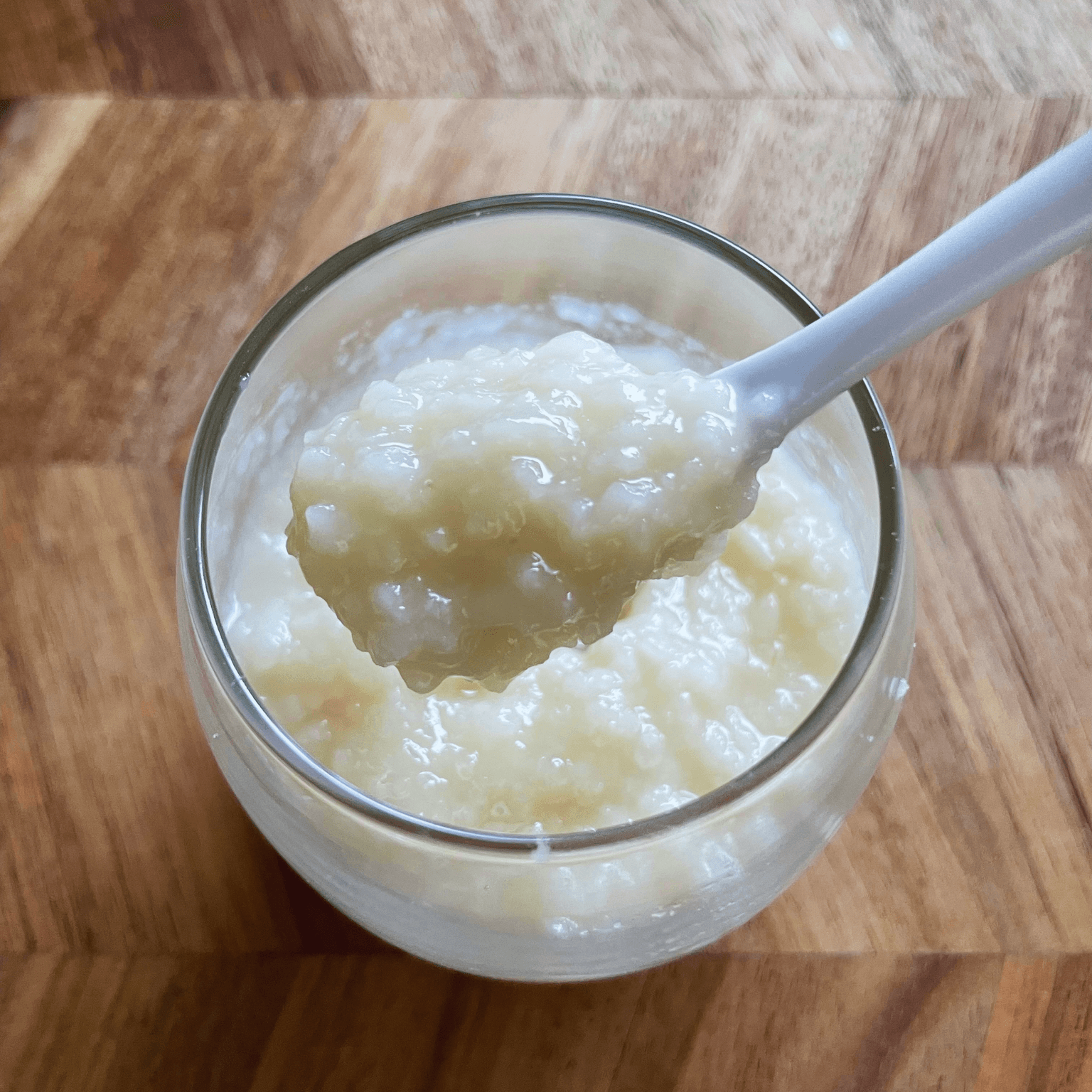
For everyday home cooking, shio koji is the easiest place to start. Ready-made shio koji is often sold in squeeze pouches or tubes at Japanese grocery stores and can be used straight from the package. It can be used in grilled dishes, stir-fries, dressed vegetable dishes and simmered dishes.
Shoyu koji, made with soy sauce, is another easy option. It can be used for seasoning stir-fries, marinating meat or fish, or spooning over tofu.
When using shio koji as a marinade, coat the ingredient with a small amount, leave it to marinate, then wipe off the excess before cooking so it does not burn too quickly.
If you enjoy using ready-made shio koji, dried rice koji is a natural next step. With dried rice koji, you can make homemade shio koji, shoyu koji and even homemade miso. Dried koji stores well and is usually easier to find outside Japan than fresh koji, making it practical for small home fermentation projects.
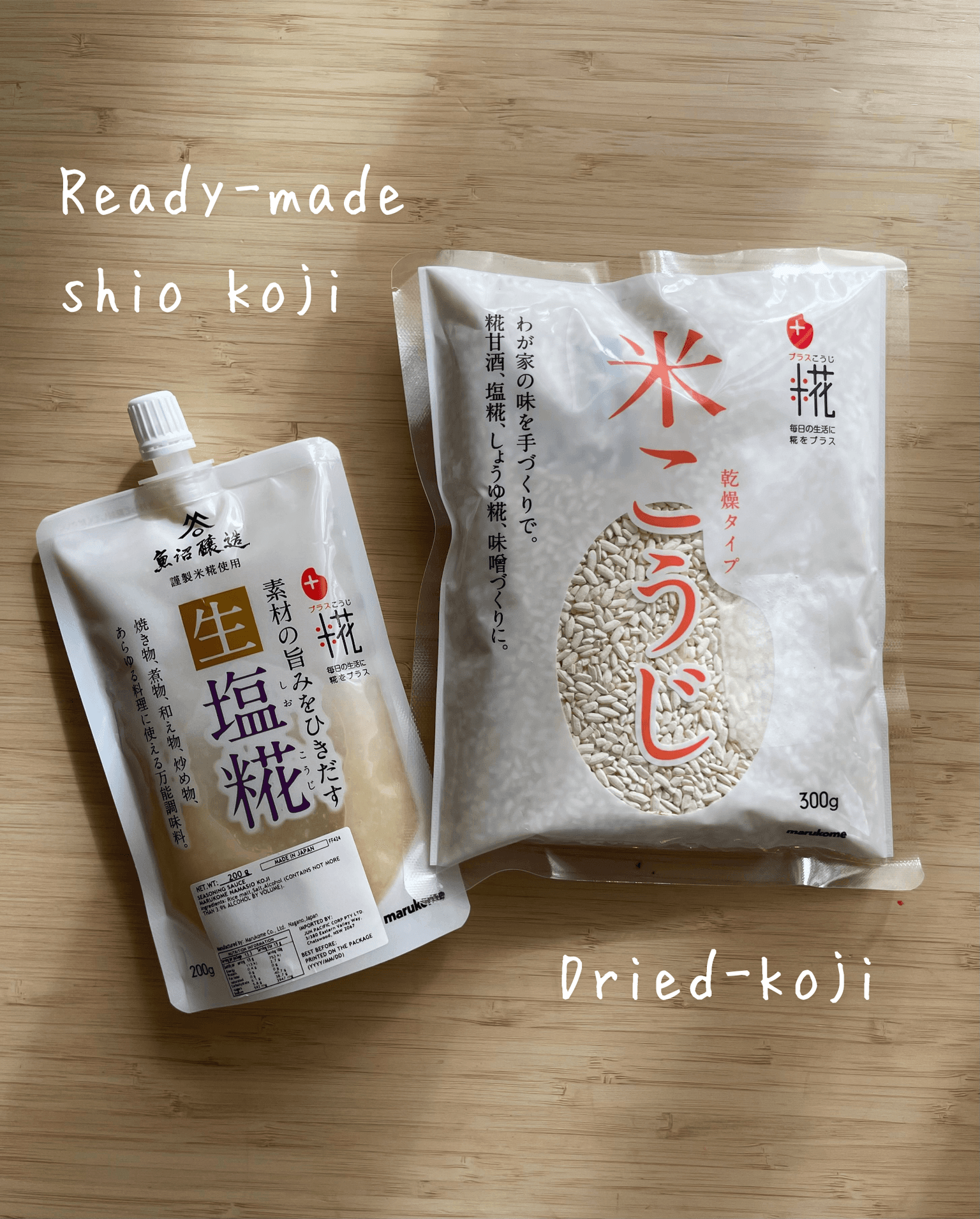
Koji does not need to be complicated. Starting with ready-made shio koji is an easy way to experience how it can add flavour to everyday cooking.
Once you start keeping shio koji in the fridge, it may become one of those seasonings you reach for again and again.
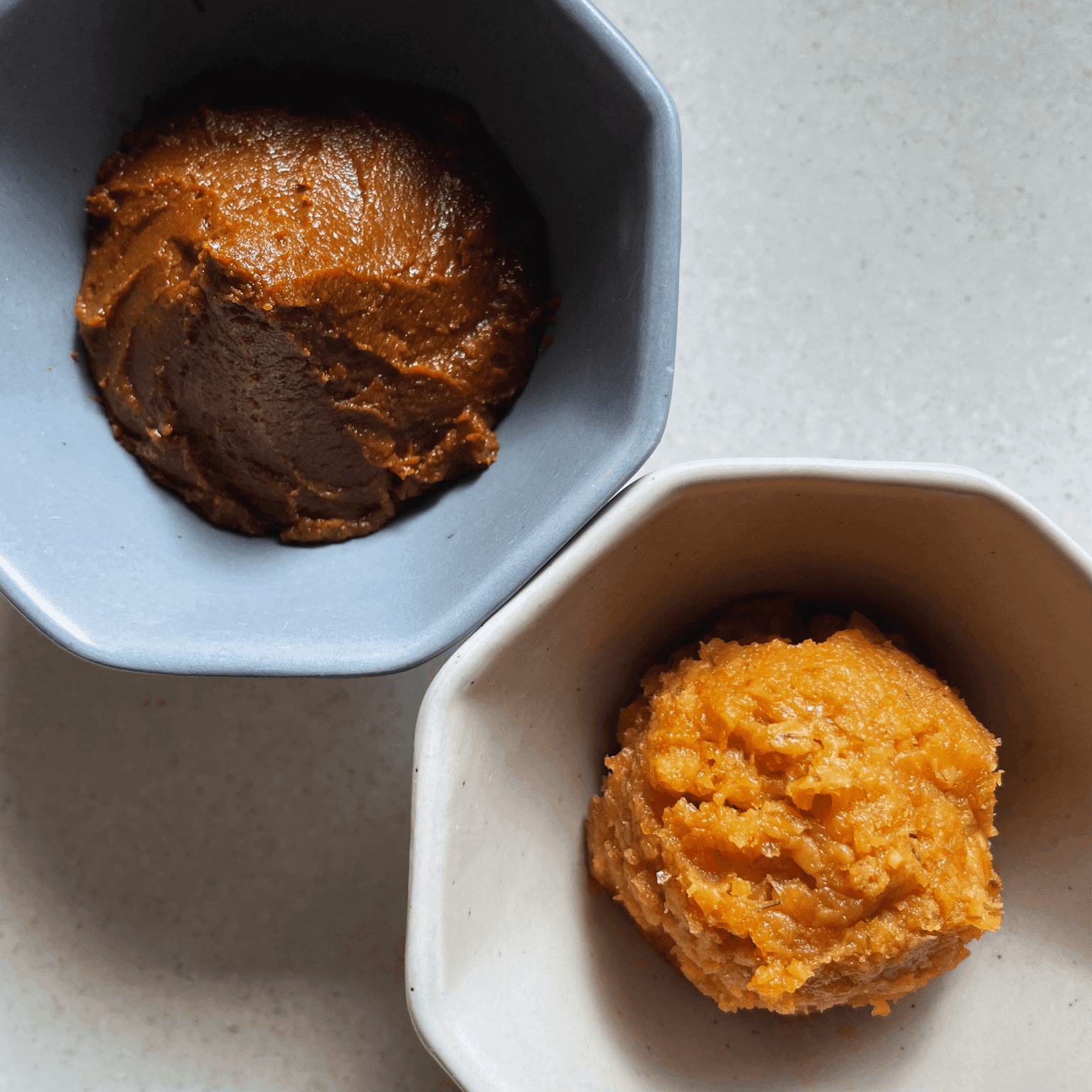
Miso Explained
Japanese Soy Sauce Guide
What Is Mirin?